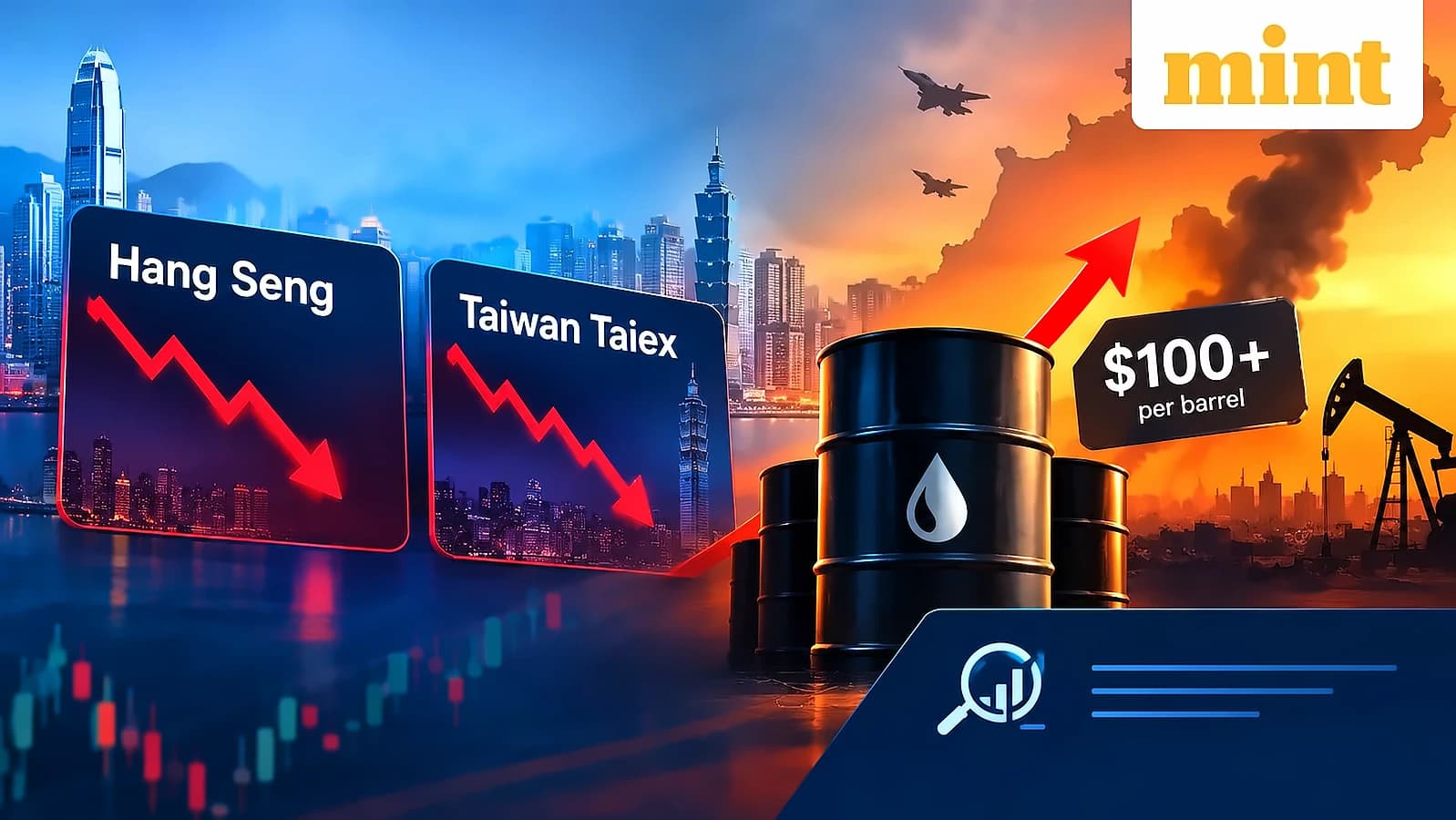
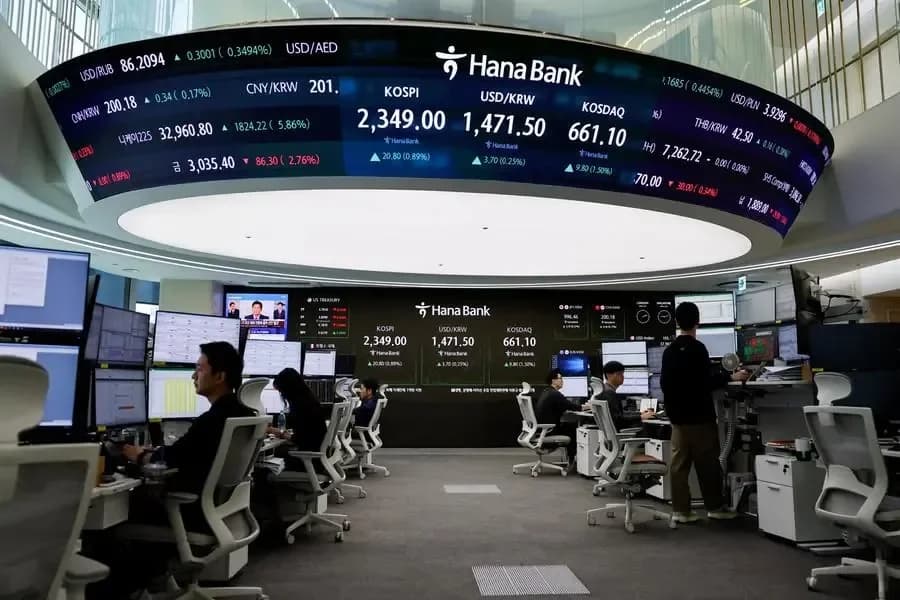
Asian share markets showed mixed performance on Tuesday as investors reassessed the prospects of an end to the U.S.-Iran conflict and its potential impact on global oil prices. Hong Kong shares edged lower as the Shanghai Composite was down 0.1% at midday, while the blue-chip CSI300 gained 0.2%. The Shenzhen index rose 0.4%, the ChiNext Composite advanced 1.4%, and Shanghai's technology-focused STAR50 index added 0.2%. In mainland China, non-ferrous metal stocks were among the biggest decliners, with an index tracking the sector falling 1.5% in morning trading, as reported by Reuters.
Oil prices remained at more than one-week highs on Tuesday as hopes for an agreement between Washington and Tehran faded, with crude staying near one-week highs amid Strait of Hormuz disruptions. The ongoing disruption has raised concerns about oil supplies and added to inflationary pressures globally. Reuters reported that renewed uncertainty over the reopening of the Strait of Hormuz followed attacks on shipping and oil infrastructure in the Middle East, along with Iran's demands and its position on direct negotiations with the United States. This geopolitical tension has created additional uncertainty for Asian markets already caught between optimism surrounding China's technology sector and heightened caution over global supply chains.
Concerns over AI valuations have rocked China's stock market in recent weeks, posing a major test for Beijing's efforts to engineer a steady upward trend, known as a 'long bull'. The 'national team' of Chinese state-backed funds came into public view on July 19, about a week before memory chip maker CXMT's initial public offering, as reported by Nikkei. This intervention strategy reflects Beijing's commitment to maintaining market stability amid the AI stock rollercoaster. The volatility in AI-related stocks has created significant challenges for China's broader market stability, with investors rotating away from technology sectors toward traditional sectors.
China's inflation data showed continued weakness in domestic price pressures, with producer price inflation easing more than expected in July to its weakest level in three months, while consumer inflation also cooled, according to official data released on Sunday. The latest weak U.S. employment data has reduced expectations for further rate increases, making the upcoming inflation figures particularly important for investors assessing the path of monetary policy. A renewed rise in energy prices could complicate the inflation outlook and influence expectations for future Fed decisions, as reported by Reuters.
Investors appeared to be rotating towards traditional sectors after the recent sell-off in artificial intelligence-related stocks, as reported by Reuters. The CSI 300 Consumer Staples Index jumped nearly 3%, while an index tracking Chinese real estate stocks gained about 2%. By contrast, technology stocks came under heavy pressure, with the CSI 300 Telecommunication Services Index plunging 5%, the CSI AI Index falling nearly 4%, and the STAR Chip Index losing 2%. The tech index was 41 points, or 0.85% higher while the China Enterprises Index was up 52 points, or 0.61%. Tech ETFs have drawn record inflows as Beijing pledges stability, according to Nikkei, indicating continued investor confidence in the government's ability to manage market volatility.