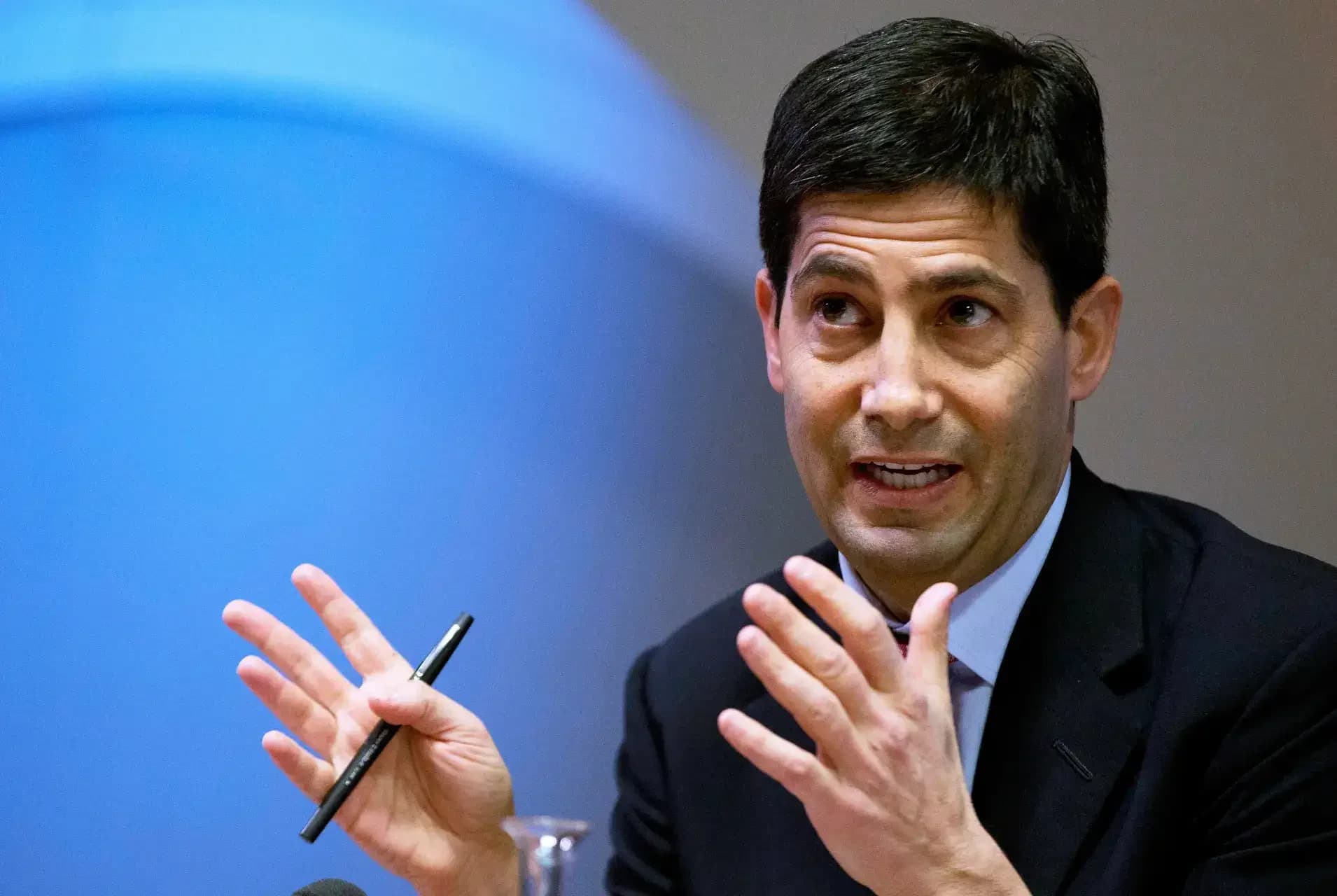
The US Senate has officially confirmed Kevin Warsh as the new chair of the Federal Reserve in a 54-45 vote on May 13, marking the slimmest confirmation margin ever for the Federal Reserve. According to reports from Reuters, Warsh, a 56-year-old lawyer and financier, will replace Fed Chair Jerome Powell whose term ends on Friday, though Powell will remain as a Fed governor. The confirmation followed a separate 51-45 vote confirming Warsh to the Federal Reserve Board one day earlier. The Republican-majority body had on Tuesday confirmed Warsh to a 14-year term on the Fed's seven-member Board of Governors, with his swearing-in to both positions awaiting final White House signatures. Fed Governor Stephen Miran, currently the central bank's biggest advocate of rate cuts, will vacate his spot on the board to make room for Warsh. The narrow confirmation margin reflects growing concerns about Fed independence and the central bank's relationship with the White House, with most Democrats opposing the nomination despite John Fetterman of Pennsylvania being the only Democrat to cross party lines and support Warsh. As reported by Reuters, the vote largely followed party lines, with Democratic Senator John Fetterman joining Republicans to support President Donald Trump's nominee.
Warsh officially stepped into the Fed Chair role on May 15, succeeding Powell at a particularly challenging time as economies worldwide face severe pressure due to the U.S.-Israeli war on Iran. During his confirmation hearing, Warsh pledged that the central bank's monetary policy would be 'strictly independent' under his tenure, addressing concerns about political interference. This comes amid continuous demand to cut interest rates by President Trump, who has repeatedly called out Powell for not cutting rates, mocking him with the nickname "Too Late." Warsh, who advised Trump on his economic policy and was passed over for the Fed chair role in 2017 when Trump chose Powell, will now lead the central bank amid unprecedented political pressure. President Trump has advocated for rate cuts and undertaken what Powell calls 'a series of legal attacks' on the central bank, including attempts to fire Fed Governor Lisa Cook and launching a criminal investigation of Powell, though the DOJ investigation has been dropped for now. During confirmation discussions, lawmakers repeatedly questioned Warsh about the Fed's independence and its relationship with the White House. Unlike during Warsh's first tenure at the Fed, the current president has been badgering the central bank for rate cuts, with Powell and others saying those attacks threaten the Fed's ability to set interest rates according to economic fundamentals.
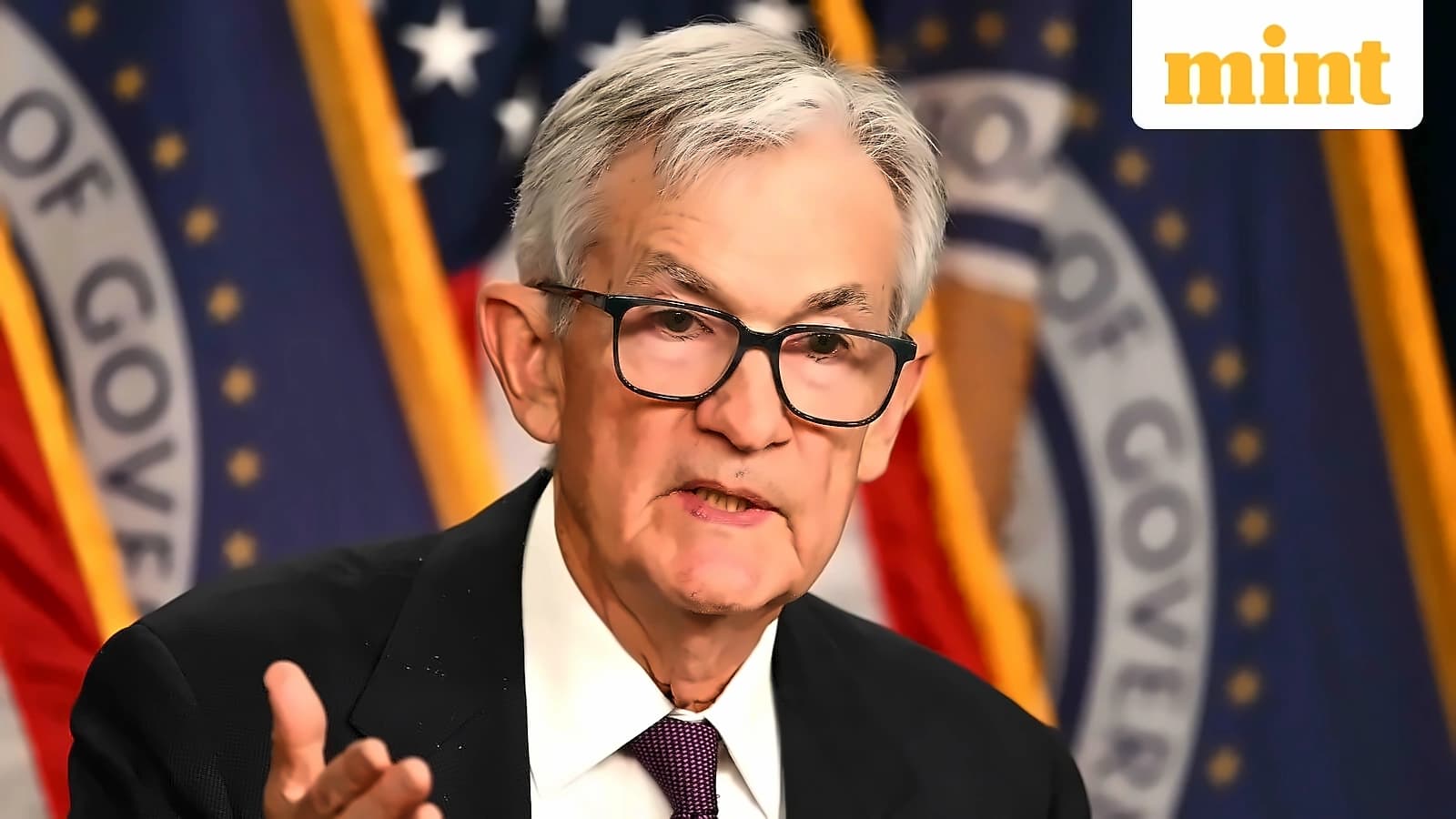
In a historic move, Jerome Powell announced he will stay on the Fed's Board of Governors despite ending his term as Chair, marking the first time a Fed Chair has stayed on at the end of their chairmanship since 1948. As reported by geonewsdottv, in a press conference on April 29, 2026, Powell said he wants to 'keep a low profile as the nominated Chair Kevin Warsh takes charge in May,' stating 'I will leave when I think it's appropriate to do so.' This decision adds another layer of complexity to Warsh's leadership, as he will now work alongside Powell who has announced his intention to remain involved in Fed policy discussions. The arrangement creates an unprecedented situation where the former and current chair will both serve on the same board, potentially influencing policy debates and institutional dynamics. Some analysts suggest that Powell's decision to stay on the board provides legal cover and serves to counterbalance Warsh's vote, ensuring continuity in Fed policy decisions. Powell is expected to remain on the Fed board until 2028, providing additional stability during the transition period.
Warsh's arrival comes as the Fed grapples with inflation reaching 3.8% in April, the highest reading since May 2023, with the Fed's rate-setting committee divided and seeing the most dissenting votes in more than three decades last month. The Senate voting was conducted hours after the government released wholesale prices data that raised concerns over growing inflation, with the producer price index jumping 6% year-over-year in April, the fastest pace since December 2022. As reported by Bloomberg, the core measure of wholesale inflation that excludes food and energy was around 5.2%, indicating that US-Iran war led increase in energy costs is reflecting on other goods. The Fed is still grappling with how to respond to the 50% spike in gas prices from the Iran war, with the increase having boosted inflation and creating challenges for the central bank's monetary policy. Analysts expect the Personal Consumption Expenditures price index to have risen 3.8% last month, moving further from the Fed's 2% target. The inflation surge is attributed to broadening price pressures beyond Trump administration tariffs and oil price spikes from the Iran war. Recent Wall Street revisions show Goldman Sachs pushing its first rate cut forecast back to December 2026, citing sticky inflation, while Pimco went further, flagging the possibility of a rate hike.
Financial markets now expect no change to the Fed's 3.5%-3.75% policy rate target this year, with a potential rate hike as early as January 2026. As reported by The Hindu BusinessLine, Fed policymakers are scheduled to release fresh rate-path forecasts in June, with March's projections for a single rate cut appearing increasingly outdated as the unemployment rate hovers around 4.3%. The labor market strength suggests the economy may not require rate cuts to support employment. Warsh is expected to be in place to chair the Fed's next meeting June 16 to 17, joining a central bank whose policymakers are engaged in a vigorous debate on interest rate direction. In the run-up to his first meeting, Warsh may have to navigate a divided group of policymakers with growing support for more hawkish language, contrasting with his previous tenure when inflation was mostly below the Fed's 2% target. Markets are now watching whether Warsh reshapes Fed communication and monetary policy under mounting political pressure for lower rates. Kevin Hassett, director of the White House's National Economic Council, said in a Fox News interview that he believes the markets are relieved that Warsh 'is going to help lower interest rates over time,' though he emphasized it would be 'obviously, data driven.' However, experts have warned that Warsh might be forced to raise interest rates due to pressure from high-inflation rates, contrary to Trump's wishes who has called to slash rates on multiple occasions.
Warsh's confirmation lands in the same week that the Senate Banking Committee is set to mark up the Digital Asset Market Clarity Act, creating a unique intersection of monetary policy and crypto regulation. The CLARITY Act seeks to set clearer rules for crypto markets and divide oversight between U.S. regulators, with the bill facing delays as lawmakers balanced Fed chair hearings with crypto legislation. Warsh has described Bitcoin as 'transformative' and 'an important asset that can help inform policymakers,' as previously reported, while calling AI a major force for productivity. However, his crypto-linked holdings have raised concerns about potential conflicts of interest. According to Crypto.news, his filings showed exposure to more than 20 blockchain and digital asset companies through venture fund structures, with indirect exposure to Solana, dYdX, Polymarket, Dapper Labs, Optimism and Lightning Network infrastructure. Warsh pledged to divest affected assets after confirmation to meet Fed ethics rules, with traders tracking his confirmation, stablecoin yield talks and the CLARITY Act as linked policy events for risk assets.