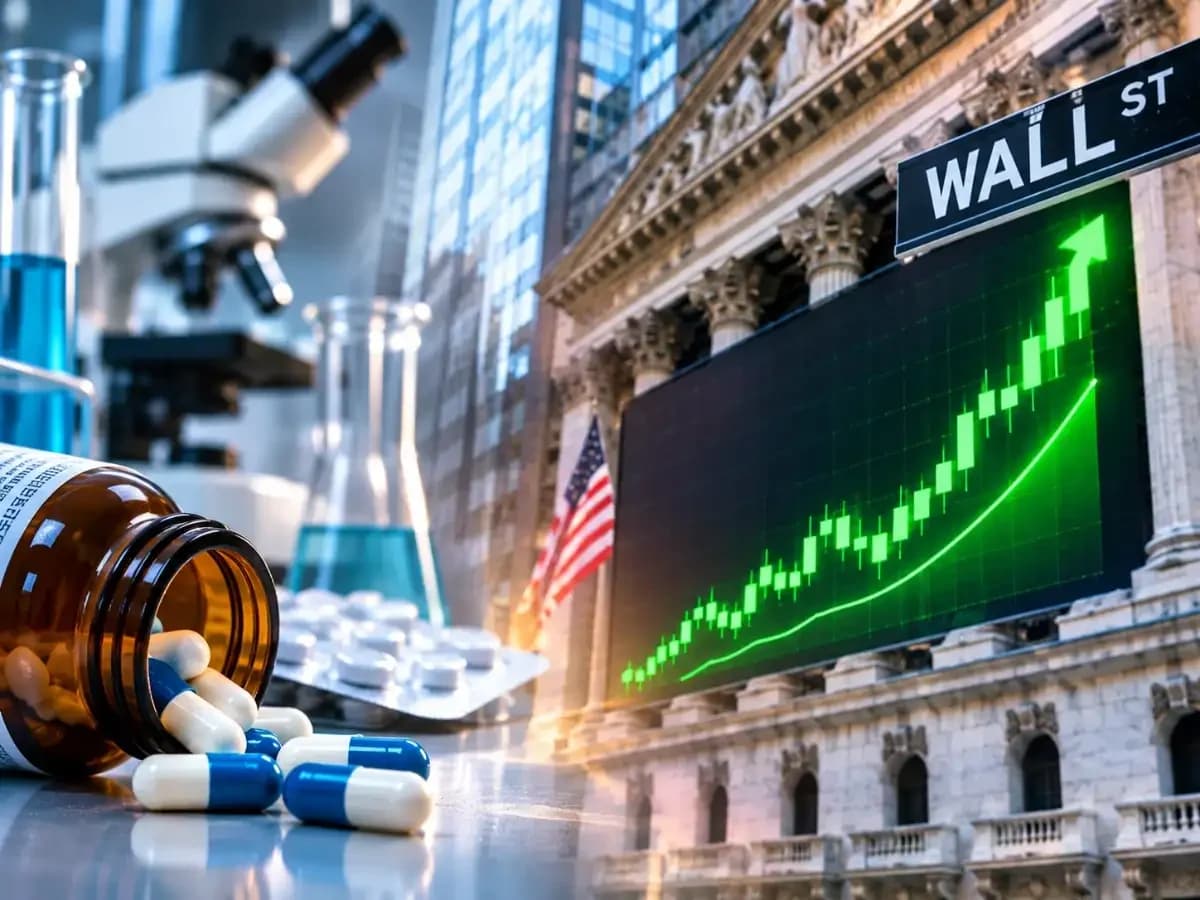
Sellas Life Sciences shares experienced an extraordinary 156.36% surge in a single trading session on November 17, 2026, jumping from $7.47 per share on Monday to $24 on Tuesday. According to reports from GlobeNewswire, this dramatic rally added more than $2.38 billion to the company's market capitalization, bringing it to $3.9 billion. The explosive gains represent a return of approximately $1,168 for every 100 shares held by investors. At the day's high, the stock was up 233% during Tuesday's trade, marking the biggest single-day gain since 2020. As per Investing.com, heavy trading volume drove the stock above its former peak to reach daily highs above $24, with the shares closing at $7.47 in the previous session on November 16, 2026. The stock continued its momentum on Wednesday, November 18, rising another 5% following the positive trial results.
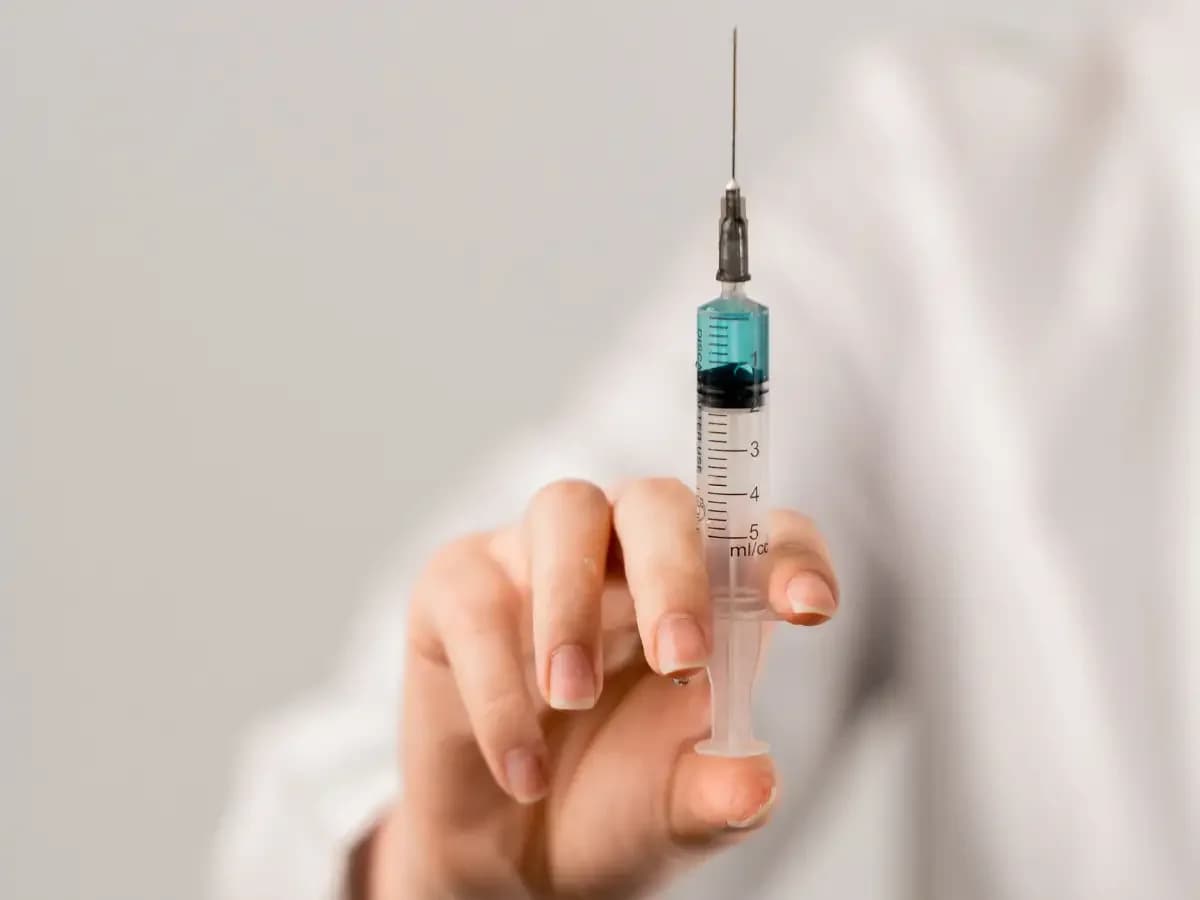
The remarkable stock performance was triggered by positive results from the company's experimental leukemia vaccine, galinpepimut-S (GPS). As reported by GlobeNewswire, the treatment demonstrated significant efficacy in the REGAL Phase 3 clinical trial, which focused on patients with acute myeloid leukemia who had achieved remission but could not undergo a bone marrow transplant. The trial met its primary endpoint of overall survival, with patients receiving GPS achieving a median overall survival of 24 months, compared to 14.7 months for patients receiving the best available standard treatment. According to LiveMint, the treatment reduced the risk of death by 41% compared with the best available treatment, with a hazard ratio of 0.59 and a statistically significant p-value of 0.035. The vaccine works by training the body's immune system to identify and attack residual leukemia cells carrying the WT1 protein, and could be supplied off the shelf without having to make a separate version for each patient.
The trial results were characterized as incredibly clinically meaningful by analysts, with Alliance Global Partners analyst James Molloy noting that GPS should receive expedited approval in 2027 as a monotherapy. According to GlobeNewswire, the vaccine was generally well tolerated with no unexpected safety issues, most side effects being mild reactions around the injection site. LiveMint reports that the treatment was also generally well tolerated, with no new safety concerns identified and most treatment-related adverse events being mild to moderate. Sellas Life Sciences plans to meet with the US FDA to discuss an accelerated filing strategy, aiming to submit an approval application in the first half of 2027. The company is advancing preparations for a Biologics License Application (BLA) while discussing an accelerated filing strategy with the FDA. Soon after the surge, the late-stage biopharmaceuticals company announced a $150 million public offering of common stock, plus an option for underwriters to buy up to an extra $22.5 million of shares. J.P. Morgan and TD Cowen are acting as joint book-running managers for the offering, which is intended to provide additional capital to the company.
The potential impact of GPS extends to a significant patient population, as reported by GlobeNewswire. According to the American Cancer Society, approximately 22,720 people will likely be diagnosed with AML in 2026, with around 11,500 expected deaths from the disease. AML accounts for one out of three leukemia cases in adults, highlighting the substantial market opportunity for effective treatments. The positive findings add to growing evidence of cancer vaccine potential, particularly after earlier attempts by Moderna Inc. and Merck & Co. for a shot that targeted Melanoma. As per Investing.com, over the last 12 months, SELLAS Life Sciences stock experienced substantial volatility while traders waited for REGAL trial data, with the stock trading between a 52-week low of $1.39 and a 52-week high of $15.88.
Recent financial updates showed steady cash spending alongside ongoing clinical progress. In its third-quarter financial report released on November 12, 2026, GlobeNewswire reported that SELLAS posted a net loss of $10.1 million, or $0.05 per share, compared to a loss of $6.8 million in the third quarter of 2025. Research and development spending grew as the REGAL study reached its completion, with GlobeNewswire reporting that SELLAS held $134.7 million in cash and cash equivalents at the end of September 2026. The company is currently in the clinical development stage and does not yet sell commercial drugs, funding its research through cash raised from institutional investors, partnerships, and public share sales. Market analysts remain optimistic about the treatment's prospects, with Alliance Global Partners suggesting GPS could see significant off-label usage earlier in the treatment paradigm. Despite the fundraising announcement, investor enthusiasm surrounding the Phase 3 trial results has remained the dominant driver of the stock's recent rally.