Saudi Arabia has placed financial transfers to the United Arab Emirates under extra layers of regulatory oversight reserved for countries considered high-risk for illicit money flows, according to three people with direct knowledge of the matter. The measures, which were not announced publicly, could help explain why a number of companies have had difficulties transferring funds from accounts in Saudi Arabia to the UAE in recent months. Six businesspeople told Reuters their companies have had transfers in various currencies delayed or returned by Saudi banks with no official explanation. Saudi Arabia's central bank requires financial institutions to apply more checks when dealing with customers or jurisdictions that pose greater risks for money laundering, terrorism financing and other crimes. Earlier this year, it notified key banks in the country to apply such measures when handling settlements with the UAE, said the three people with direct knowledge of the matter. A fourth person, a Western executive with operations in Saudi Arabia, said they received the same explanation when they asked their bank about transaction delays. Responding to questions from Reuters, the Saudi central bank said: "There are no direct restrictions on specific countries." It said Saudi Arabia has a robust regulatory framework to combat money laundering and terrorism financing in line with standards set by the Financial Action Task Force (FATF), a global watchdog based in Paris. The enhanced oversight measures have not previously been reported, as first reported by Bloomberg and the Financial Times in July.
The additional scrutiny puts the UAE among more than a half dozen countries in the region deemed high risk in Saudi Arabia for financial crimes, two of the sources said. They include Lebanon, South Sudan and Iraq, which are on the FATF's "grey list" of jurisdictions that need additional monitoring. The FATF delisted the UAE in 2024 after it made improvements to its anti-money laundering regime, a decision some anti-corruption groups argue was premature. The United States has imposed sanctions on a number of UAE-based individuals and entities accused of raising or laundering funds for groups such as Iran's Islamic Revolutionary Guard Corps and Somalia's al Shabaab militants. A Saudi insider said the enhanced oversight was intended as a "subtle message" to Emirati leaders about the importance of maintaining good relations following a period of escalating tensions between the two Gulf heavyweights – an interpretation shared by four regional financial-sector sources who were not briefed on the reasons for the measures.
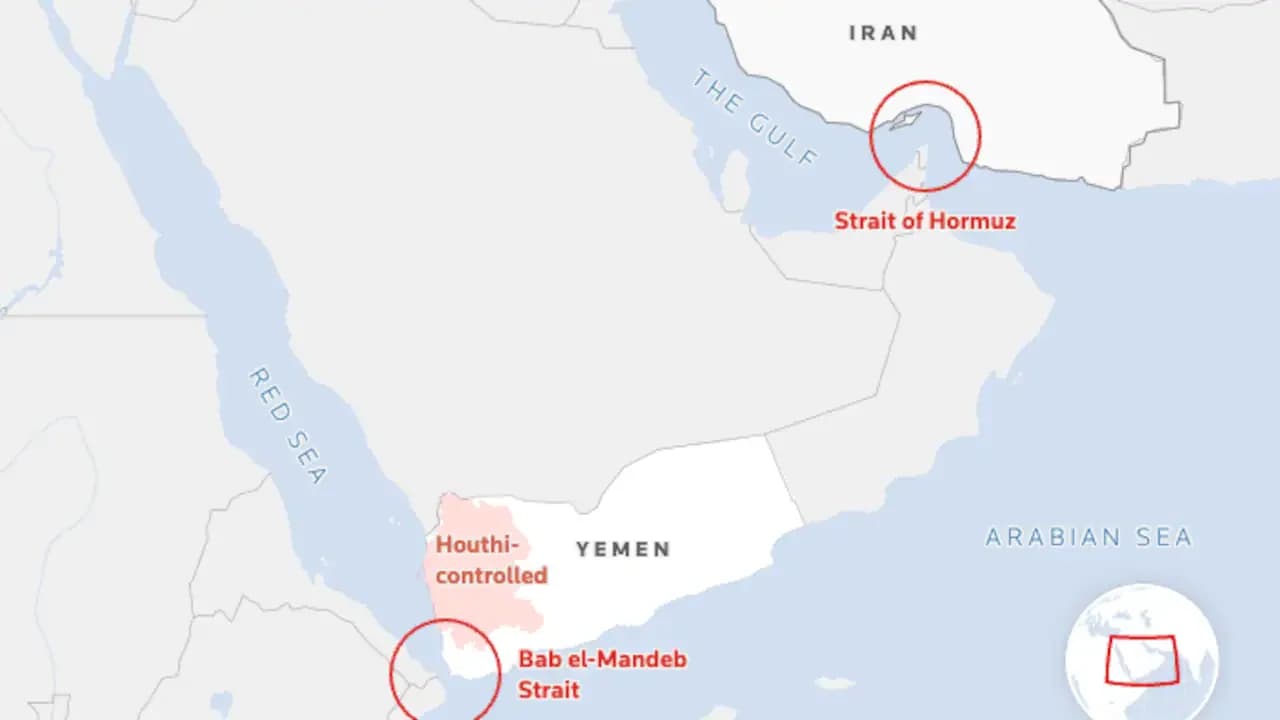
Recent reports suggest the rift between the Gulf neighbours is intensifying, with payments from Saudi banks to UAE-based accounts belonging to companies and individuals in Dubai having been returned or held up since May, often without explanation, according to The Financial Times. One western executive at a Dubai-based healthcare company told the FT that Saudi banks had blocked and returned several payments from a long-standing Saudi client since mid-May. The tensions have been most pronounced in the oil sector, the war in Yemen and the US-Israeli war on Iran. In December, a Saudi air strike on a shipment of UAE military equipment to the Southern Transitional Council, the separatist Yemeni organisation Abu Dhabi is aligned with, was a major recent salvo in rising tensions. Since then, several widely followed Saudi and Emirati social media accounts, pundits, and news organisations have had heated debates and feuds with each other. In March, the UAE banned Saudi TV Al-Arabiya's X accounts, and this rift only deepened during the war on Iran, which has imperilled the Gulf. Simmering disagreements came into the open late last year over their support for opposing sides in the war in Yemen, with Saudi Arabia accusing the UAE of threatening its security by backing secessionist forces who made a push toward its borders.

A UAE official said its economy ministry has not received any reports from private-sector companies regarding difficulties or unusual delays in completing bank transfers between the two nations. "The UAE and Saudi Arabia maintain deep and longstanding economic and commercial ties, supported by significant trade and investment flows," the official said. The businesspeople who spoke to Reuters said their difficulties with cross-border transfers began in the weeks after the UAE announced on April 28 that it was leaving OPEC, the group of oil-producing states effectively led by Saudi Arabia. The kingdom is the UAE's largest trading partner in the Arab world, while the UAE was Riyadh's fifth-largest export destination overall and its fourth-largest source of imports in 2024, according to data from the online platform the Observatory of Economic Complexity. The companies have been waiting weeks for payments from Saudi Arabia, in some cases for amounts below 1 million dirham ($272,257), which would previously have been processed in a few days, according to an investor with stakes in both firms. The UAE official said: "We remain in regular engagement with the private sector and relevant stakeholders, and would review any specific concerns brought to our attention through the appropriate channels."
Three bankers said the enhanced oversight means transfers to the UAE pass through more hands and receive closer scrutiny from compliance departments. Some transfers take weeks to go through; others never make it, they said. Three businesspeople said their firms now route payments via third countries to get around the issue. The head of a Dubai-based consultancy said some Saudi clients were struggling to make payments to the firm and had advised him to set up operations elsewhere. Two other UAE-based companies received similar requests from clients, who said Saudi authorities asked them not to do business with firms in the UAE, according to an investor with stakes in both firms. The businesspeople who spoke to Reuters said their difficulties with cross-border transfers began in the weeks after the UAE announced on April 28 that it was leaving OPEC. For all their differences, the Iran war has "solidified the rationale for cooperation" to secure vital interests, including reopening the Strait of Hormuz, said Justin Alexander, director of Khalij Economics, a Gulf-focused consultancy. Middle East Eye characterised the two neighbours as "embroiled in an economic war of attrition," as business executives were reportedly making contingency plans in case of a growing feud between Saudi Arabia and the UAE.