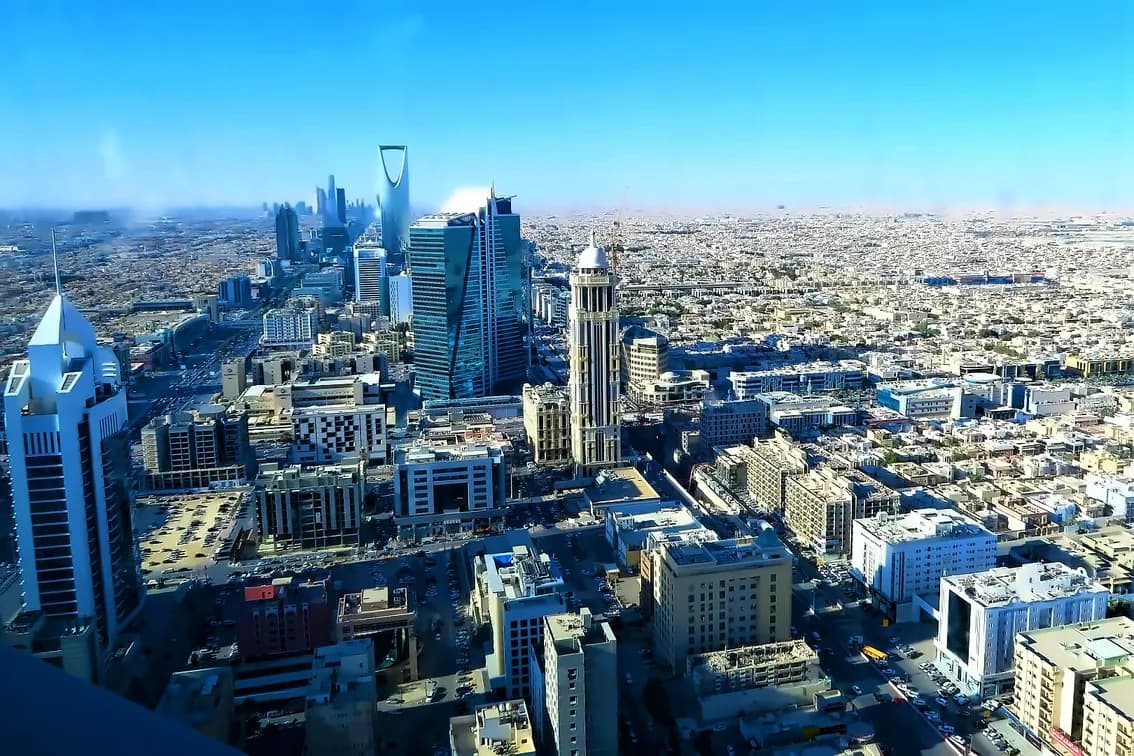
Saudi Arabia is advancing tokenization of energy, real estate and capital markets under its Vision 2030 framework to protect national wealth from global shocks. According to reports, the kingdom's digital economy reached SAR495 billion in 2025, representing 15% of GDP, demonstrating significant progress in digital transformation. The Public Investment Fund, which manages roughly $1 trillion in assets, approved its 2026-2030 strategy in April, with tokenization of sovereign and strategic assets forming a central pillar of its economic diversification drive. As reported by Open World, this initiative aligns perfectly with Vision 2030's goal to develop the financial sector and diversify the economy beyond traditional energy exports.
Faisal Monai, Chairman of droppRWA and key architect of Saudi Arabia's digital payment infrastructure, has secured mandates of approximately $12.5 billion for real estate tokenization. The initial focus is on real estate, with a tokenized property deed transfer already completed, demonstrating that blockchain-based infrastructure can reduce property settlement times from several days to mere seconds. According to the latest reports, this infrastructure is expected to be rolled out across larger real estate programs and designated investment zones, potentially enabling a tokenized real estate market that gives international investors faster access to real assets while maintaining legal anchoring. The kingdom recorded more than 4,000 commercial blockchain company registrations in 2025, representing a 51% year-over-year increase, demonstrating strong regulatory support for digital asset infrastructure.
A key element of the strategy involves stablecoin-based settlement for the real estate sector, expected to go live by late 2026. The report emphasizes that stablecoins are not positioned as speculative instruments but as components of regulated settlement infrastructure, with developers and investors expected to receive global capital within minutes instead of days while remaining inside strictly regulated environments. The involvement of the Capital Market Authority and Central Bank ensures that digital settlement systems operate within existing regulatory frameworks rather than outside them. This multi-rail approach maintains the US dollar's relevance while adding faster, more sovereign digital infrastructures alongside traditional banking channels.
Saudi Arabia now hosts approximately 3 million active crypto investors and recorded $48 billion in transactions between July 2023 and June 2024. According to reports, the tokenization push comes as global RWA markets expand rapidly, with tokenized US Treasuries remaining the dominant RWA asset class by market cap, though tokenized equities are now the fastest-growing segment. The Middle East is positioning itself at the centre of this expansion, with Abu Dhabi-regulated firm KAIO raising $8 million from Tether to scale on-chain fund infrastructure, deepening Gulf participation in tokenized markets.