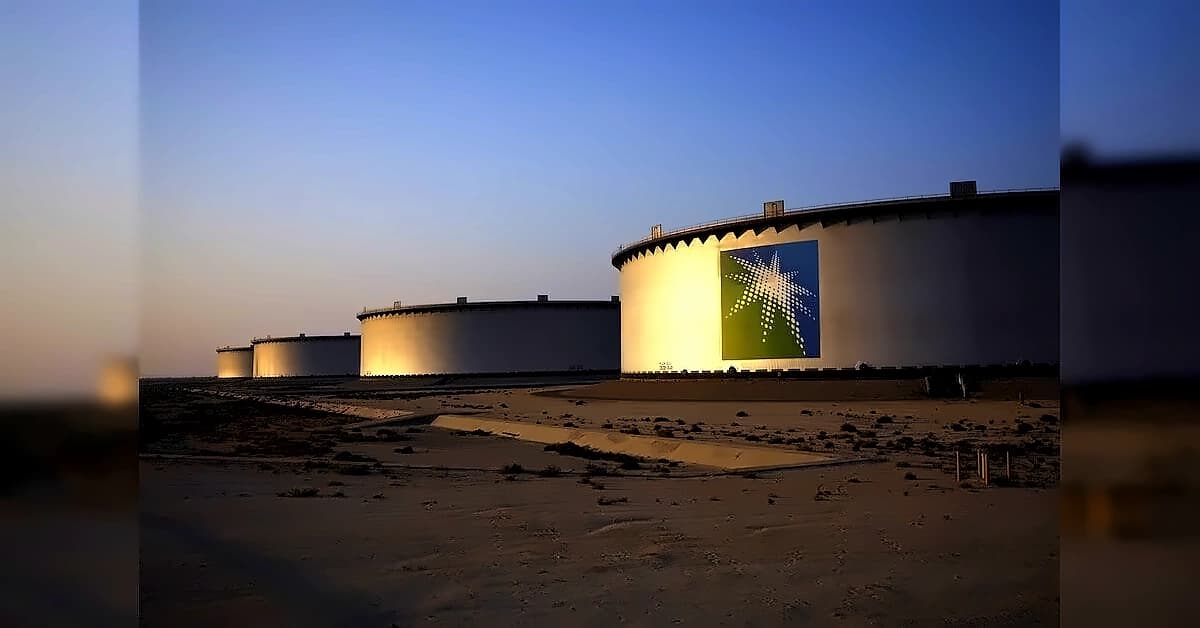
Yemen's Houthis claimed responsibility for targeting an Aramco refinery in the city of Jazan with a drone attack on Sunday. According to reports from Al Jazeera, Business Standard, and AP, Yahya Saree, a military spokesperson for the Houthis, stated the attack was in response to Saudi drones breaching Yemen's airspace over the provinces of Hajjah and Saada. The Saudi Ministry of Energy confirmed that firefighters extinguished a fire that broke out early at a facility at Aramco's Jazan refinery, with no injuries reported. As reported by Al Jazeera, Saree wrote on X that the group "succeeded in targeting the Aramco refinery in Jizan with a drone, and the strike was precise." The attack represents the latest in a series of missile and drone attacks that have targeted Saudi Arabia and its shipping in the Red Sea. The Jazan refinery processes 400,000 barrels of crude oil per day in southwestern Saudi Arabia, making it a critical energy infrastructure target.
The escalation includes attacks on critical infrastructure beyond the Jazan facility. As reported by Al Jazeera, the Houthis also declared a naval blockade on Saudi Arabia in the Red Sea last month, threatening shipping through the Bab al-Mandeb strait. Later on Sunday, the Houthis said they carried out an attack on "Saudi enemy" troops and equipment in Yemen's Red Sea coast city of Al-Mokha", with Saree stating the attack used "a large number of ballistic missiles and drones." There was no immediate comment from Saudi forces regarding the Al-Mokha attack. The Houthis also carried out missile and drone strikes on the Yemeni Red Sea port city of Mocha, which is controlled by the Aden-based government backed by Riyadh. According to AP, Fayed al-Noman, assistant undersecretary of the information ministry, confirmed the Houthis launched missiles and drones at the Mocha port on Yemen's Red Sea coast. The port has been renovated in recent years to accommodate shipping seeking to avoid Houthi-controlled ports in Hodeida, making it strategically important for regional trade.
Iranian foreign minister Abbas Araghchi addressed reporters in Tehran on Sunday, stating that negotiations with the United States cannot resume until violations of the memorandum of understanding have ended. According to Business Standard, Araghchi emphasized that negotiations with Oman about new maritime routes through the Strait of Hormuz are in the final stages, though this does not guarantee the strait's reopening. Speaking to reporters in Tehran on Sunday, as reported by NPR, Araghchi said an "exchange of messages through intermediaries" is continuing with the United States, but that doesn't constitute negotiations. The Iranian Supreme National Security Council has issued demands that the US must never threaten Iran again, permanently end the war with Iran and its allies, lift naval blockades, and provide complete compensation for war damage. As reported by Reuters, Araghchi also said Tehran will not begin negotiations as long as Washington continues to breach the interim deal signed in June. With Iran and the United States still arguing over the parameters for peace, Iran and its allied Shi'ite Muslim armed groups have been firing on Saudi Arabia and other Gulf states and blockading their energy shipments since the US and Israel attacked it on February 28 in a major escalation after years of regional tumult.
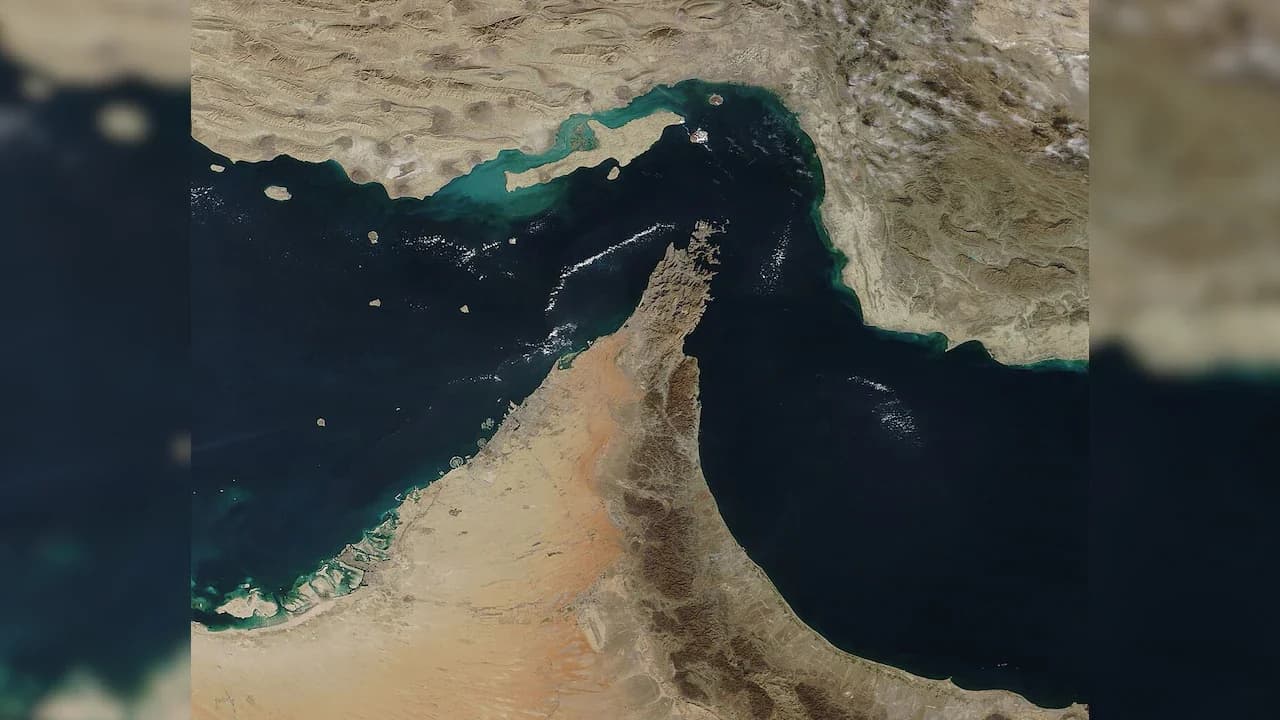
Iran and Oman are reportedly working to finalize a temporary deal that would reopen the Strait of Hormuz with ships entering through routes close to Iran and exiting through routes close to Oman. As reported by Business Standard, according to two people familiar with the talks, ships would cross the strait without paying fees or tolls during the interim period. The agreement is designed to restore an earlier US-Iran agreement and restart a 60-day clock for nuclear program negotiations, with the deal expected to be jointly announced by Iran, Oman, the US, and the International Maritime Organization. According to Reuters, Iran says it is in the final stages of reaching an agreement with Oman on shipping through the Strait of Hormuz, one of the world's most strategically important waterways. Reports suggest the deal would give Tehran oversight of vessels entering the Persian Gulf, while Oman would manage outbound traffic. However, Iran's Revolutionary Guards have complicated matters by stating that "Hormuz's reopening had nothing to do with the negotiations between Iran and Oman" and that "the enemy is forced to accept Iran's conditions for the opening of the strait."
The escalations, which disrupted global energy supplies and rattled the world's economy, prompted Saudi Arabia on Friday to form an alliance with Sunni Muslim US allies, Turkey and Pakistan. The accord is intended to strengthen collective deterrence against any act of aggression and stipulates that an armed attack against any of the three would be regarded as an attack on all. Turkish Foreign Minister Hakan Fidan said the new alliance was not directed against Iran or any other country, but rather served as a general pledge to support the three allies' security. It was not clear whether or how either Pakistan or Turkey would join in any Saudi response to the latest attacks. Fidan said the allies would decide through consultations what degree, form, and format of support they would ask for in the event of an attack on any of them. According to Reuters, on July 27, Aramco shut the Jazan refinery after an attack by Houthi militants damaged the plant's Integrated Gasification Combined Cycle (IGCC) complex and tank farm area. The refinery also produces gasoline and ultra-light sulfur diesel. The latest strikes have raised concerns that the escalation could once again push Yemen towards wider conflict, as a truce in 2022 brought an end to major fighting in the poverty-stricken country, but tensions remain high.