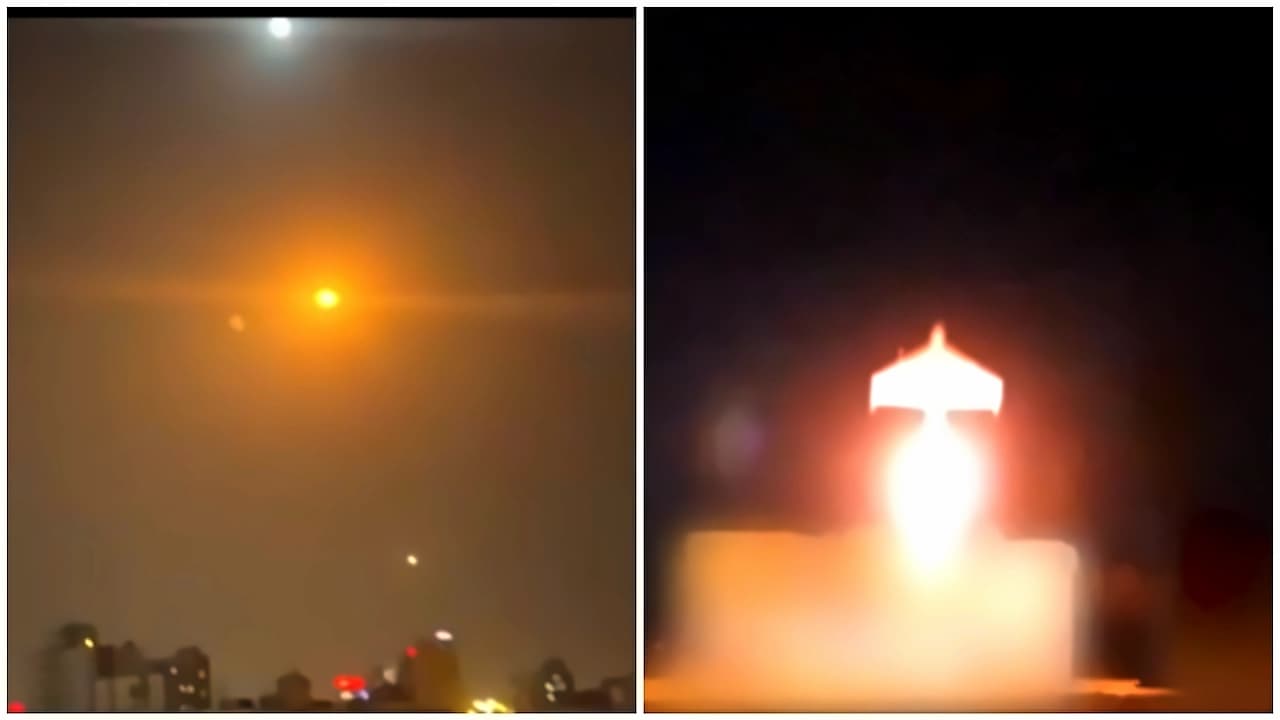
NATO fighter jets shot down a drone that entered Lithuanian airspace overnight, marking the first time a drone has been downed in the country's airspace, according to Lithuania's National Crisis Management Center. The drone was downed near the village of Pratkūnai in the Kaišiadorys district, about 60 miles west of Vilnius, and near the Kaunas Reservoir. Lithuanian President Gitanas Nauseda thanked Allied personnel for their swift response, stating that 'With Russia intensifying its aggression against Ukraine, such readiness is vital for our region.' NATO Secretary-General Mark Rutte said that strikes close to the alliance's territory would drive the trans-Atlantic organization to increase its support for Kyiv. The incident came after Rutte's speech at NATO headquarters in Brussels, where he said that strikes 'close to NATO territory' showed Russian President Vladimir Putin's 'desperation and also his desire to sow fear and terror.'
Denmark has officially summoned Russia's ambassador to discuss the recent helicopter incident in the Baltic Sea. According to Caliber.Az reports via Russian media, Danish Foreign Minister Lars Løkke Rasmussen announced that the ambassador would be called in for talks to discuss the incident. This diplomatic move follows Denmark's earlier condemnation of the Russian flare attack as 'reckless' by Prime Minister Mette Frederiksen, who warned that such actions will not succeed and Denmark will not waver. The incident has prompted Denmark to take formal diplomatic action to address the escalating tensions with Russia. Defence Minister Jeppe Bruus separately confirmed to broadcaster TV2 that Denmark will summon Russia's Copenhagen ambassador to a meeting over the incident, as reported by Reuters. Foreign Minister Lars Lokke Rasmussen called the incident 'unacceptable' and said it could have endangered human lives. He said he had summoned Russia's ambassador to Denmark for a meeting, stating that 'Denmark is working to ensure that all shipping can pass peacefully through Danish waters, but Russia is gradually moving the line for what it considers acceptable behaviour.'
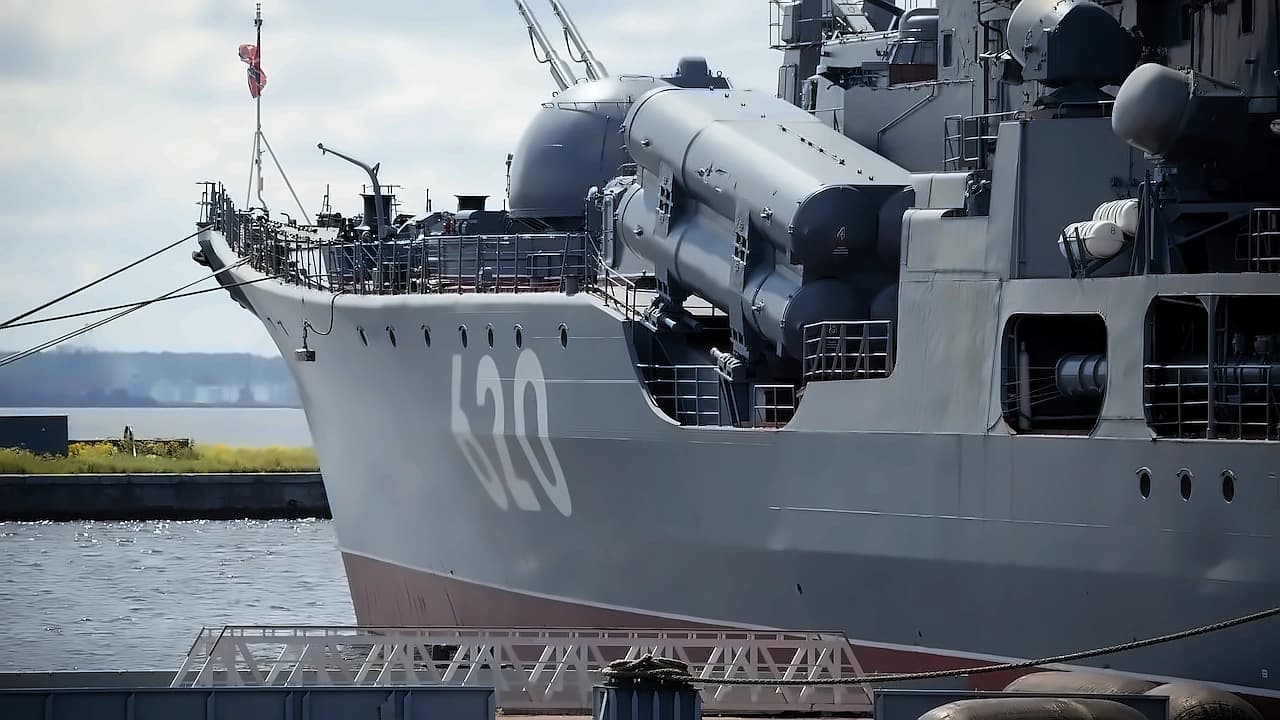
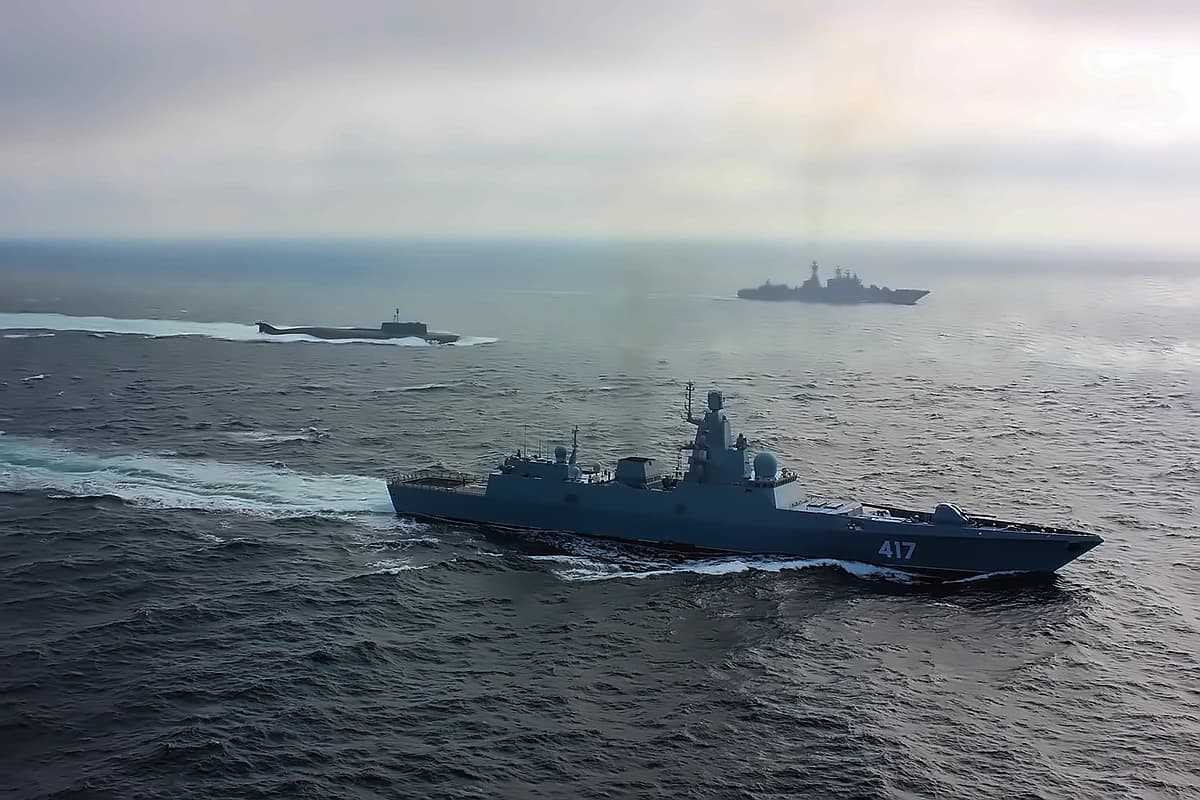
According to Denmark's armed forces, as reported by AFP and RIA Novosti, the helicopter was conducting a routine aerial reconnaissance mission of a Russian frigate in international waters off the Danish coast when the ship fired two signal flares. One of the flares passed close to the helicopter, with Denmark's armed forces confirming that neither the helicopter nor its crew was harmed in the incident. The helicopter had been on a routine mission to photograph the Russian frigate, as confirmed by the Danish defense command, with flares being pyrotechnics usually used as a warning signal at sea. The Fennec military helicopter narrowly avoided being hit by the flares, with the incident occurring on Monday. The Danish straits are the main sea route in and out of the Baltic Sea for commercial and military shipping, and are also a major artery for global oil shipments, including from Russia's so-called shadow fleet of tankers used to circumvent Western sanctions. Denmark's Defence Intelligence Service said last year that Russian warships had repeatedly sailed on collision courses with Danish vessels, targeted Danish helicopters and ships with tracking radars, and pointed weapons at them in the straits.
Russia has formally protested to Denmark over what it described as hazardous flying by Danish military helicopters near Russian naval vessels in the Baltic Sea. According to reports from AFP and RIA Novosti, Russia's ambassador to Denmark, Vladimir Barbin, submitted an official note to Copenhagen over what Moscow described as unsafe conduct by Danish military aircraft. The ambassador claimed this is 'not the first time that Danish Air Force helicopters have carried out dangerous manoeuvres near Russian warships, when they were at sea and outside Denmark's territorial waters.' Barbin also claimed he informed the Danish foreign ministry of 'dangerous flyovers and low-altitude hovering' by a Danish Air Force helicopter over a large anti-submarine vessel last year. Kremlin spokesman Dmitry Peskov said he did not have details and was not in a position to comment on the matter. The Russian embassy did not immediately respond to a request for comment outside of regular office hours, as reported by Reuters. Moscow has presented the episode differently from Denmark's account, with Barbin responding by blaming the helicopter pilots, stating that 'The Danish side's attempts to explain the helicopter's provocative actions against the Russian frigate as 'routine practice' give rise to serious concern about the possible consequences of such recklessness.'
The latest exchange comes against the backdrop of growing military tensions in the Baltic, where encounters between Russian forces and NATO members have increasingly become a source of concern. The Baltic Sea region is on high alert after incidents involving gas pipeline outages, airspace violations and drone sightings since Russia's 2022 full-scale invasion of Ukraine, all of which have increased tensions between Moscow and the West. Lithuanian Air Force Commander Antanas Matutis said that the wreckage had been found, and the drone 'likely' was carrying explosives. Vilmantas Vitkauskas, head of the crisis center, told Lithuanian public broadcaster LRT that the drone most likely entered from Belarus, remaining in Lithuanian airspace for about 30 minutes and flying along the outskirts of populated areas before being intercepted. The incidents follow a speech by Rutte on Monday at NATO headquarters in Brussels, where he said that strikes 'close to NATO territory' showed Russian President Vladimir Putin's 'desperation and also his desire to sow fear and terror.' Danish Prime Minister Mette Frederiksen said the incident at sea was serious but not surprising, calling it part of a pattern in which an increasingly aggressive Russia has intensified its hybrid warfare against Europe and is testing NATO. 'Russia wants to sow fear and discord. Our answer is to stand closer together and strengthen the defence of Denmark and Europe,' she said in a statement. NATO Secretary-General Mark Rutte said Monday that Russian drone strikes near the Ukraine-Poland border — one of which hit a train shortly after senior visiting officials had passed through the same station — would drive the military alliance to increase its support for Kyiv, calling Sunday's attacks a sign of Moscow's growing desperation. The strikes 'close to NATO territory' show Russian President Vladimir Putin's 'desperation and also his desire to sow fear and terror,' Rutte said at NATO's political headquarters in Brussels. Rutte pledged to increase support for Ukraine and bolster the 32-nation alliance's own defenses along its long eastern border with Russia, stating that 'He thinks that he can stop us from supporting Ukraine and that he can undermine our unity. He is wrong,' the NATO chief said of Putin.