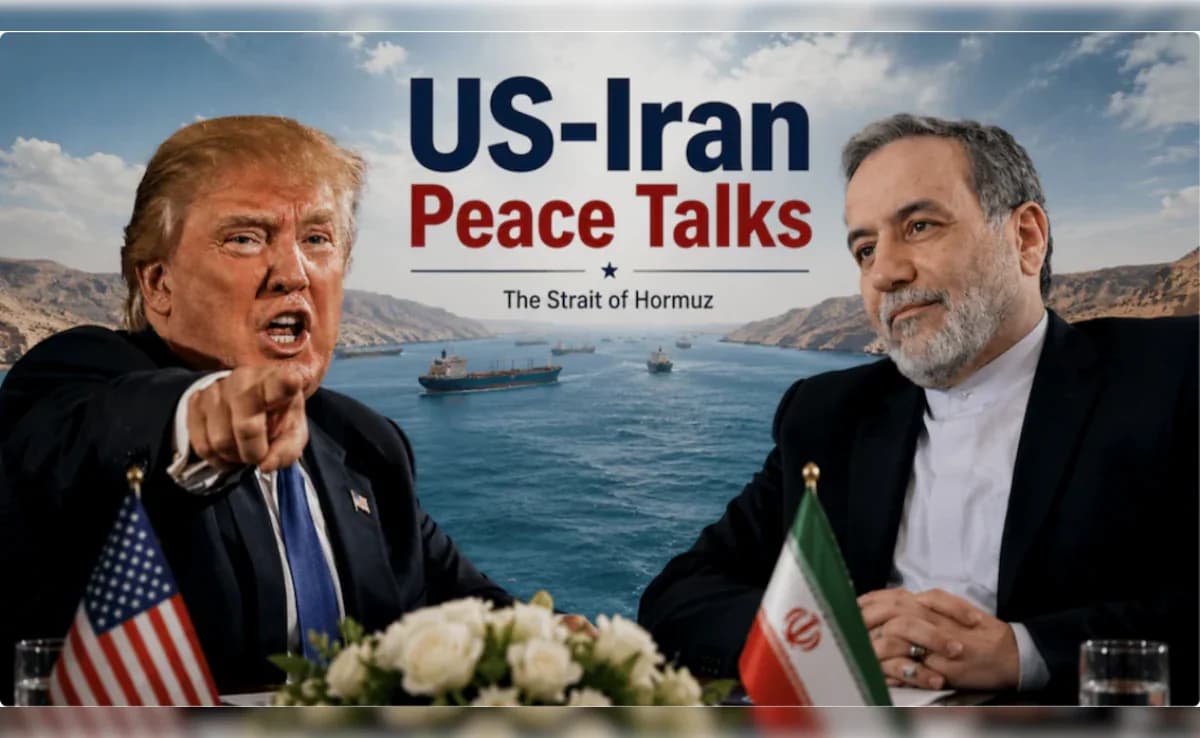
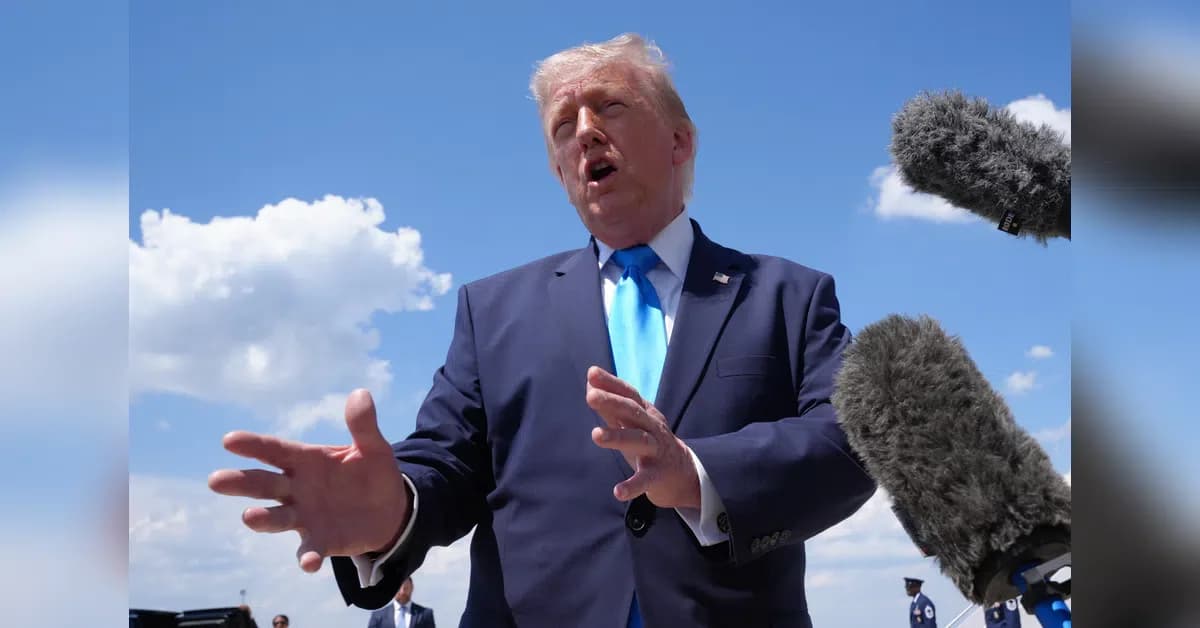
US Secretary of State Marco Rubio confirmed on Monday that Iran-US negotiations remain in 'work in progress' status, as reported by Business Standard. Speaking to reporters in the national capital before departing for Agra, Rubio outlined the current framework of the potential agreement. 'We're still a work in progress... I think is a pretty solid thing on the table in terms of their ability to open up the straits, get the straits open, enter into a very real, significant time-limited negotiation on the nuclear matters,' Rubio stated. The Secretary of State expressed optimism about the potential for successful conclusion, stating 'Hopefully we can pull it off.' According to Gulf News, Trump has tempered expectations, telling negotiators not to 'rush' as key issues remain unresolved, while maintaining that any potential deal would be 'good and proper' but is not yet finalized or fully negotiated.
According to Business Standard reports, Rubio emphasized the good faith and support among Gulf partners for the ongoing negotiations. The Secretary of State characterized the potential agreement as 'the right thing for the world to get done'. As reported by Gulf News, leaders from several countries, including the UAE, Saudi Arabia, Qatar, Bahrain, Egypt, Turkey, Jordan and Pakistan, joined the discussions in support of regional security and stability. This partnership approach reflects the broader regional and international stakeholder involvement in the diplomatic process, with every country understanding it's 'not just very reasonable, but it's the right thing for the world to get done.'
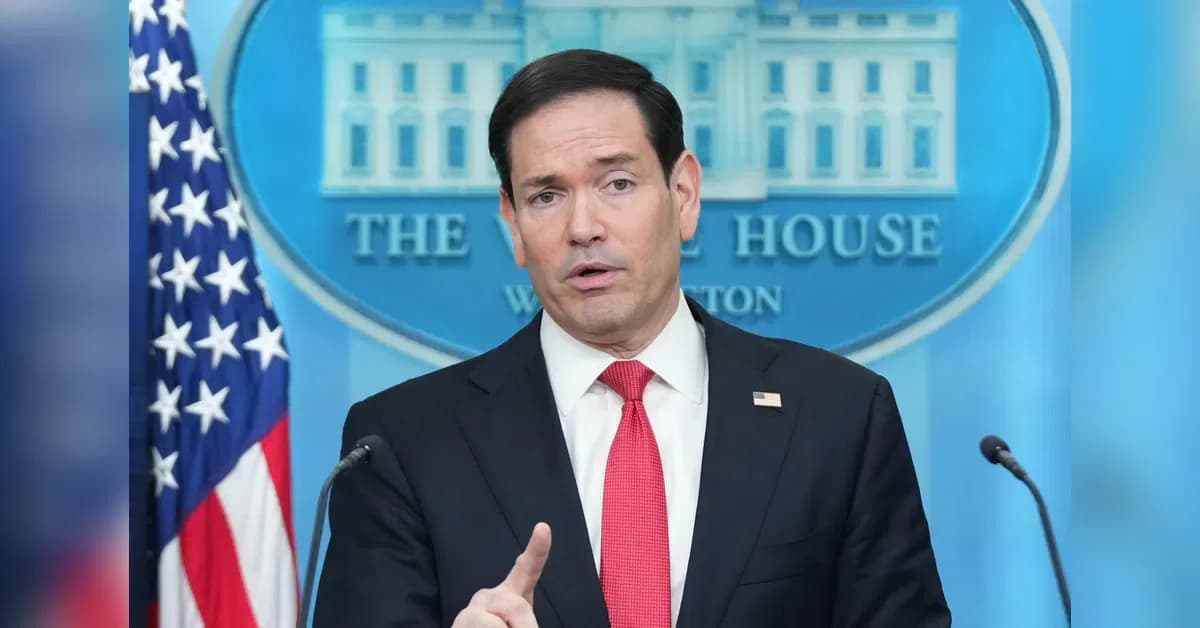
As reported by Business Standard, President Donald Trump has maintained his position of 'not in a hurry' regarding the Iran negotiations, with Rubio reiterating this stance. 'As the president said he's not in a hurry, he's not going to make a bad deal. We're going to give diplomacy every chance to succeed before we explore the alternatives,' Rubio stated. According to Gulf News, Trump has urged negotiators not to 'rush' as key terms remain unresolved, while insisting his approach would avoid what he described as past 'bad deals.' The President has made clear that 'We're either going to have a good agreement or we're going to have to deal with it another way. We'd prefer to have a good agreement,' according to Business Standard.
According to Business Standard reports, the current negotiations represent a significant departure from previous diplomatic efforts. Trump on Sunday touted that any future negotiations with Tehran would differ sharply from those negotiated during Former US President Barack Obama's presidency. As reported by Gulf News, Trump said any Iran agreement he signs would be different from the nuclear deal reached under former President Barack Obama, calling it 'the exact opposite.' The President criticized the Obama administration for providing substantial financial relief while leaving open a pathway to nuclear weapons development for Iran. Trump characterized his predecessor's deal as the 'exact opposite' and highlighted that it has not been fully negotiated upon. As reported by Business Standard, Trump said that Washington will not 'rush into a deal' with Iran, asserting that the US 'blockade' on the ports of the Islamic Republic will remain in 'full force and effect' until a formal agreement is reached, certified, and signed between the two sides.
The ongoing negotiations have created significant market movements across global financial markets. According to Gulf News, Japan's Nikkei share index soared more than three percent on Monday on hopes of a deal to end the US-Iran war, with the index up 3.2 percent at 65,363.57 points. Gold prices rose more than 1 percent on Monday, supported by a weaker dollar and easing oil prices, as investors weighed prospects of a breakthrough in US-Iran peace negotiations. Spot gold was up 1.1 percent at $4,559.29 per ounce, while spot silver climbed 2.8 percent to $77.61 per ounce. Oil prices plunged more than five percent in Asian early trading as hopes of a US-Iran deal rose, with North Sea Brent crude falling 5.1 percent to $98.22 per barrel and West Texas Intermediate dropping 5.2 percent to $91.57 a barrel. The negotiations have also affected India's fuel market, with petrol prices rising to ₹102.12 from ₹99.50 and diesel at ₹95.20, representing the fourth price increase in 10 days due to Middle East war tensions.