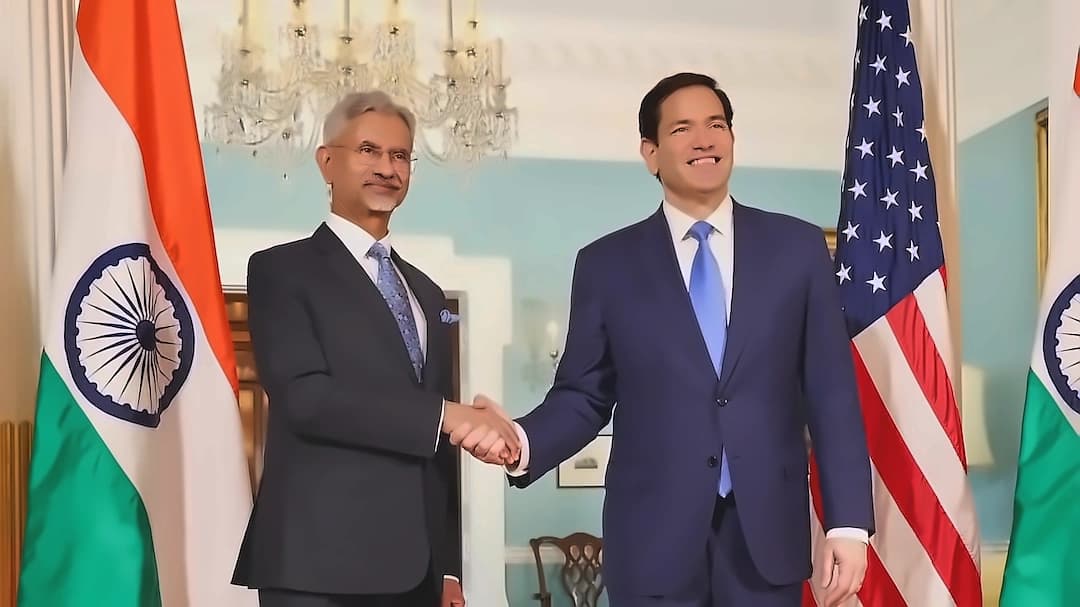
US Secretary of State Marco Rubio met with Reliance Industries Chairman Mukesh Ambani and Executive Director Anant Ambani at the Jamnagar refinery complex on Wednesday, marking a pivotal moment in US-India energy cooperation discussions. As reported by Business Standard, the meeting took place at the world's largest single-site refinery, with energy cooperation and investment among the key issues on the agenda. Rubio, 55, is in India on a three-day official tour, following his earlier meeting with External Affairs Minister S Jaishankar in Mumbai where the two sides discussed trade, energy, technology, defence and people-to-people ties. Rubio said the proposed India-US trade agreement was close to finalisation, with a few issues remaining, expressing hope that the deal would be finalised shortly.
During the Jamnagar visit, Rubio and Ambassador Sergio Gor were briefed about Reliance's new energy giga-factories, which are currently being commissioned in phases, according to Business Standard. The discussions focused on Reliance's investments across energy and digital infrastructure, data centres under construction and potential commercial partnerships between Reliance and US companies. The two sides explored opportunities for commercial partnerships between Reliance and US companies across conventional and new energy, with the exchange covering the growing intersection of energy and digital infrastructure, including the role of dependable power in supporting data centres and the expansion of the digital economy. As reported by Upstox News Desk, Mukesh Ambani and Anant Ambani shared their perspectives on opportunities for collaboration with US companies, drawing on complementary strengths in technology, engineering and advanced manufacturing. RIL stated that the interaction provided a constructive opportunity to exchange industry perspectives and explore areas of mutual commercial interest.
Reliance's Jamnagar refinery can process extra-heavy Venezuelan crude, making it central to Washington's efforts to expand oil sales to India despite concerns over US sanctions. According to Business Standard, the refinery has the highest crude processing capacity globally at 1.4 million barrels per day (mbpd) and the world's highest complexity index of 21:1, which means it can turn heavy but cheaper crude oil into high-quality petroleum products. The refinery's complexity index of 21:1 is the highest globally, enabling it to process heavier grades of crude oil that other refineries cannot handle. Jamnagar has processed over 216 different grades of crude oil produced around the world, demonstrating its exceptional versatility in handling diverse crude types. The refinery's ability to process heavy crude has drawn US interest as Washington seeks to expand sales of Venezuelan crude to India, with the facility's unique capabilities making it a strategic asset for energy cooperation.
According to Energy Intelligence, Reliance is currently the only Indian refiner capable of processing large and sustained volumes of Venezuelan crude at Jamnagar. In May 2026, Venezuela accounted for nearly 10% of India's crude imports. India imported Venezuelan crude worth $3,585.6 million during April-August 2026, with Reliance accounting for 74.3% of total imports. As reported by Global Trade Research Initiative (GTRI), imports through Reliance's Special Economic Zone (SEZ) refinery stood at 47.3% of the total, while Domestic Tariff Area (DTA) or Sikka refinery accounted for 27%. Other import points included Indian Oil's Paradip facility at 11.7%, Mundra's storage terminals operated by HPCL and others at 11.3%, and Nayara Energy's Vadinar facility at 2.7%. Venezuelan crude is heavy and sour, making it difficult to refine for many plants, but highly complex refineries such as Jamnagar can process these barrels efficiently, potentially turning discounted crude into a refining-margin advantage. During April-August 2026, India paid an average of $612 per tonne for low-quality Venezuelan crude, compared with $821 per tonne for high-quality Saudi Arabian crude, according to the GTRI report.
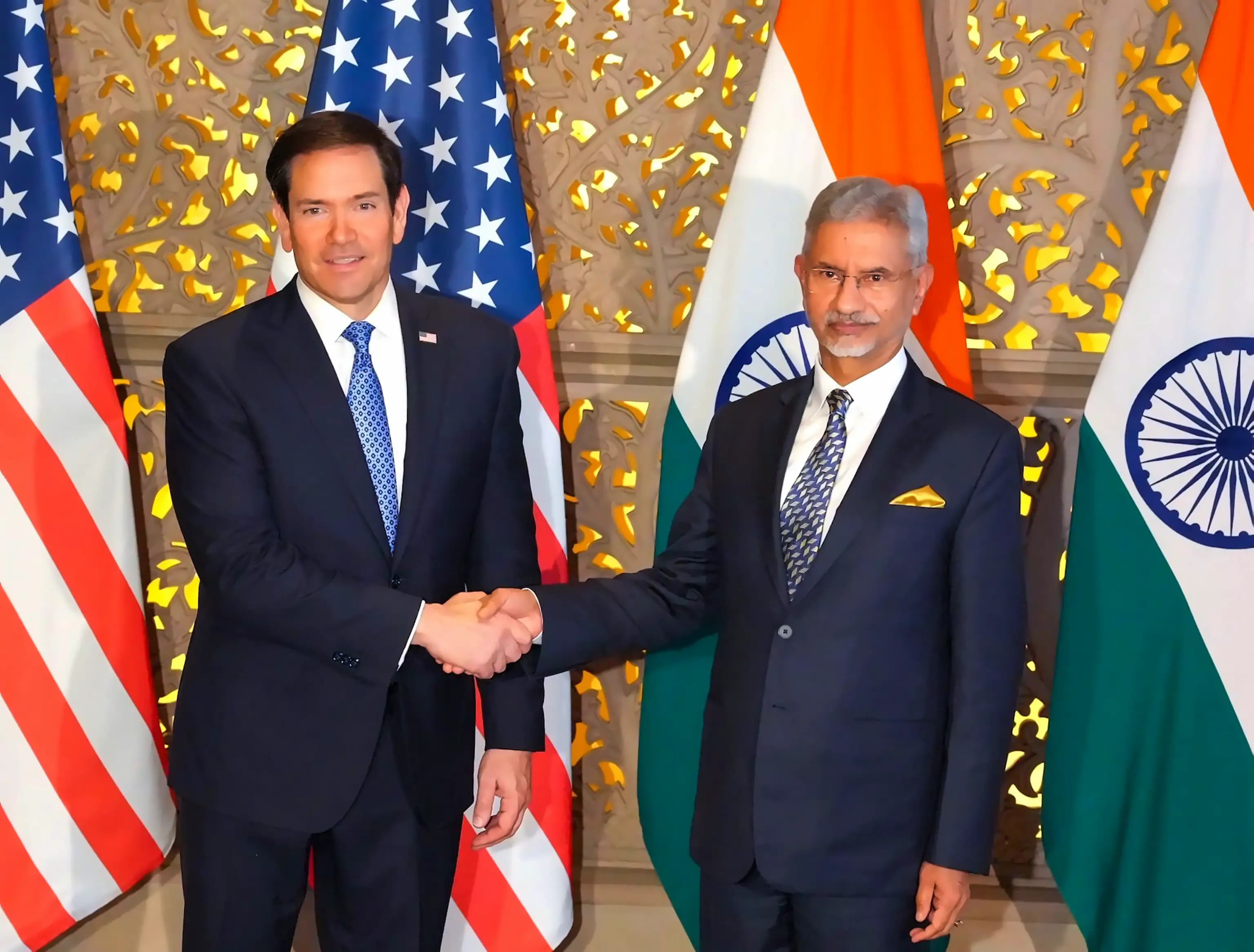
India's crude imports from Venezuela surged from $255 million in 2025-26 to $3.6 billion in just five months (April-August) of 2026-27, highlighting the country's increasing reliance on Venezuelan oil. According to Kpler data, Indian refiners purchased 196,000 barrels per day of crude oil from Venezuela in September, accounting for 4% of total imports. Since the beginning of the West Asia conflict, India has increased its reliance on purchases of Venezuelan oil to offset supply losses from the Gulf. However, experts caution that the unpredictability of US policy poses risks for India, pointing to instances in the past when Indian assets were frozen in the country. India has significant stakes in Venezuela's oil sector through state-owned companies, including ONGC Videsh Ltd (OVL), Indian Oil Corporation Ltd (IOCL) and Oil India Ltd (OIL), though US sanctions on Venezuela had disrupted operations, leaving ONGC Videsh seeking to recover more than $500 million in unpaid dividends.
Rubio's visit comes as New Delhi and Washington work towards finalising a bilateral trade agreement after more than a year of negotiations. The proposed pact is intended to address tariff differences, non-tariff barriers and market access, with India seeking competitive tariff terms for its exports to the US while Washington has raised concerns about duties on American goods entering the Indian market. Bilateral relations have also faced pressure over US tariff measures, India's purchases of Russian oil and changes to American immigration policies, including higher H-1B visa fees. Rubio's visit is part of a broader engagement with Indian business leaders, including representatives of the Adani Group and Tata Sons, with the US seeking greater commercial investment and stronger economic ties with India. The proposed facility adds a commercial dimension to the relationship between Reliance and the US, alongside the immediate question of energy supplies.