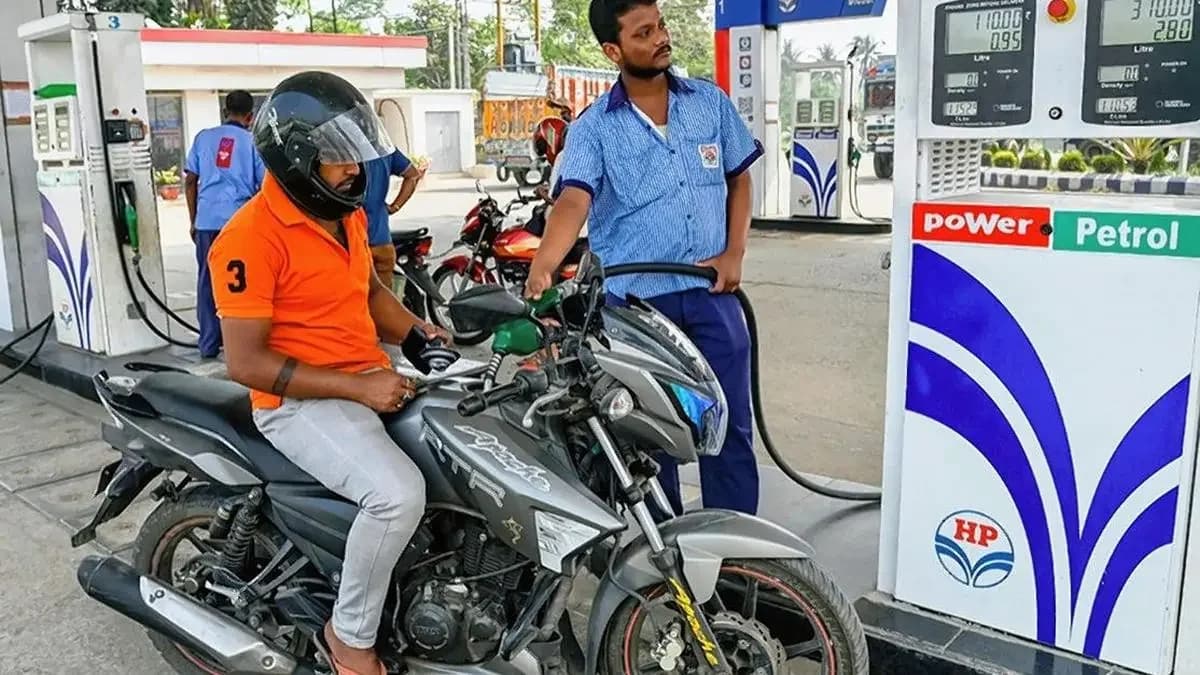
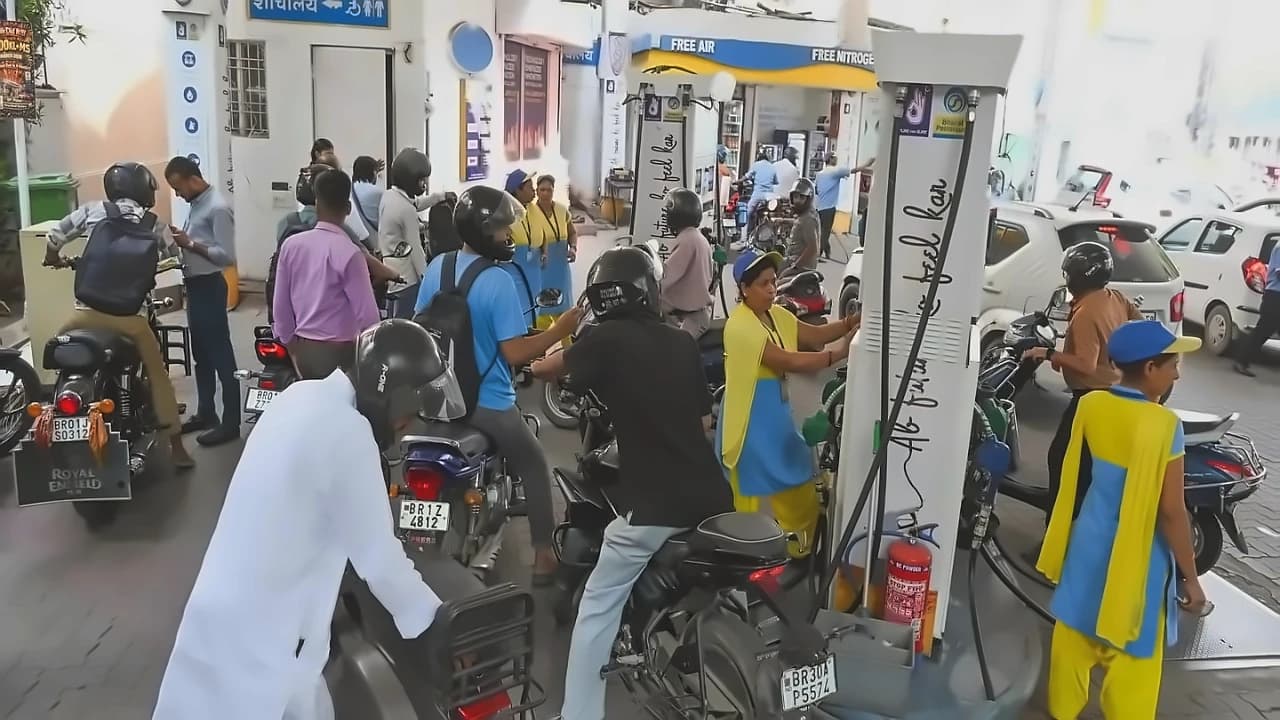
Petrol and diesel dealers across India are asking for a 30–40% increase in their commissions. Specifically, they want an additional ₹1.50 per litre on petrol and ₹2.50 per litre on diesel. LPG distributors, meanwhile, are seeking a sharper hike—pushing their commission from the current ₹75 per 14.2 kg cylinder to ₹120–150.
These demands have landed on the desks of the Ministry of Petroleum and Natural Gas and the state-run oil marketing companies (OMCs)—Indian Oil Corporation, Bharat Petroleum Corporation, and Hindustan Petroleum Corporation. The backdrop is familiar: commissions have remained largely stagnant while operating costs have climbed steadily over the years.
Why Dealers Say They're Squeezed
The core issue is simple math.
The current structure, effective December 2024, stands at roughly ₹3.7–4.0 per litre for petrol and ₹2.5–2.9 for diesel. This was the first significant revision in eight years.
But costs haven't stood still. Dealers report that worker salaries, electricity bills, maintenance expenses, and compliance outlays have all risen significantly. One dealer from Tamil Nadu noted that electricity bills had jumped about 40% since the last revision, while attendants now earn around ₹19,000 per month including benefits. These are fixed costs that must be covered regardless of how much fuel is sold.
The business model is volume-driven. An average outlet selling around 170 kilolitres per month earns roughly ₹5–5.5 lakh in gross commission. After paying 8–12 staff salaries, electricity, evaporation losses, card charges, maintenance, licence fees, and interest on working capital, net profit typically falls to 30–50% of that gross figure. A 100 KL outlet struggles to break even, while a 250 KL highway pump thrives.
The Hidden Cost: Evaporation and Working Capital
There's a silent drain on dealer margins that often goes unnoticed: evaporation and handling losses. Fuel bought but never sold is a direct cost, priced at what the dealer paid, not at the commission they would have earned. A pump moving 1.2 lakh litres a month with a 0.2% loss quietly writes off 240 litres—over ₹20,000 a month against a gross margin of around ₹3 lakh.
Because margins are fixed per litre, rising fuel prices don't make dealers richer. Instead, they increase the working capital tied up in every tanker load. This means dealers need more cash just to keep the same amount of fuel in their tanks, adding pressure to their finances.
How Commissions Are Actually Set
The mechanism for setting these commissions isn't automatic. Petrol and diesel prices were deregulated in 2010 and 2014 respectively, giving OMCs the authority to set retail prices. Dealer commission is one component of the retail price, alongside excise duty, VAT, and marketing costs.
The commission itself is a formula: a fixed rupee amount per kilolitre plus a small percentage of the billable price. For petrol, that's ₹3,144.03 per KL plus 0.870%; for diesel, it's ₹2,332.51 per KL plus 0.266%. This structure means the percentage component provides only a weak link to fuel price movements.
Revisions happen through negotiation, not indexation. The October 2024 hike came after "the resolution of a pending litigation". Dealers claim their agreements promise two revisions a year, but they say about 18 revisions are pending over the past decade. There's no public evidence of a statutory formula that automatically adjusts commissions for inflation or cost increases.
LPG Distributors: A Different Squeeze
LPG distributors face a distinct set of pressures. Their commission is about ₹75 per 14.2 kg cylinder, last revised in October 2023. But their volumes are shrinking. LPG consumption fell 12.11% in October 2026 and 14.52% between April and October compared to the previous year.
The government's push for Piped Natural Gas (PNG) is a major factor. In March 2026, the Ministry amended the LPG Control Order, mandating that households with PNG must surrender their LPG connections and cannot apply for new ones. By April 2026, over 39,000 PNG consumers had surrendered their LPG connections.
For distributors, this is a double blow. Their revenue is the number of refills multiplied by a fixed commission per cylinder. As the customer base shrinks, revenue falls. But costs—showroom and godown staff, delivery crews, safety compliance, and technology investments like e-KYC and delivery authentication codes—remain largely fixed. Distributors argue that rising technology and safety costs, combined with declining volumes, have eroded their operational margins.
Comparing the Demands
The LPG ask is proportionally larger—60–100% compared to the 30–40% sought by petrol and diesel dealers. This reflects the volume pressure LPG distributors face. Petrol and diesel demand, by contrast, is growing. Diesel sales rose 11.69% in October 2026, while petrol climbed 3.11%. Petrol pump dealers aren't losing customers; they're just earning less per litre in real terms as costs rise.
Structurally, the businesses differ. Petrol pumps rely on throughput—litres sold. LPG distributors rely on cylinder deliveries to a subscriber base. Petrol pumps often have non-fuel revenue streams like lubricants, air, water, or convenience stores that can cushion margins. LPG distributors have fewer alternatives.
Leverage and the Fiscal Trade-Off
Both groups have leverage, but of different kinds. Petrol and diesel dealers operate an essential network, especially critical during supply disruptions like the ongoing West Asia crisis. Their demand is backed by growing fuel volumes, which already boost their commission income in absolute terms. Historically, dealer bodies have threatened strikes to press their demands, though no national strike call is currently reported.
LPG distributors have weaker volume leverage but stronger policy dependence. The government needs them to supply households without PNG access and to manage the transition to PNG in areas where it's available. The OMCs have already backed an interim LPG commission hike, though Ministry approval is awaited.
The fiscal implications are significant. Dealer commissions are paid by OMCs, not directly from the Budget. The 2024 petrol and diesel hike was absorbed without raising retail prices. But OMCs are already feeling pressure. Hindustan Petroleum Corporation reported a consolidated loss of ₹8,639 crore in H1 FY27, driven by marketing-margin pressures even as refining margins improved.
The per-litre asks would imply an even larger burden. LPG hikes could add up to ₹10,000–17,000 crore, though this is an upper-bound estimate.
What Happens Next?
The Ministry faces a balancing act. It needs to maintain a viable dealer network to ensure fuel distribution efficiency, especially in a supply-constrained environment. But it must also consider the financial health of OMCs and the political sensitivity of fuel prices.
Possible approaches include phased or interim increases, a formal cost study to set new rates, or allowing dealers to charge for services like air and toilets to generate additional revenue—something recommended in the past. For LPG distributors, restoring flexibility on new connections in non-PNG areas could partly offset volume losses.
The outcome will shape the economics of fuel retail in India. Dealers and distributors are arguing that without relief, their businesses become unsustainable. The Ministry must decide how much of that cost to absorb, pass on, or offset through other measures. The decision will ripple through the entire fuel supply chain, from OMC balance sheets to the prices consumers pay at the pump.