Rosneft Chief Executive Igor Sechin stated on Saturday that no country, including the United States, could quickly replace oil supplies lost as a result of the Middle East crisis, according to reports from Reuters. The Strait of Hormuz, which serves as the main route for about a fifth of world oil supplies and other vital goods including fertilisers, was blockaded by Iran after the United States and Israel attacked Iran in February. The closure has sent oil prices to multi-year highs, stoked global inflation and undermined economic growth worldwide. Speaking at the St. Petersburg International Economic Forum, Sechin characterized the Strait closure as an attempt to reshape global energy market regulations to benefit the United States, stating that the measures taken to block the strait were aimed at Iran, but backfired on the entire world. As reported by Reuters, he warned that following Strait of Hormuz closure, other major global routes, such as Malacca, Bad El Mandeb and Gibraltar straits could also be under the risk of disruption.
Sechin, a long-standing ally of President Vladimir Putin, characterized the Strait closure as an attempt to reshape global energy market regulations to benefit the United States. According to Reuters, he stated that the closure of the strategic waterway, through which around one-fifth of global crude supplies pass, had reshaped energy markets in a way that favoured the United States. "The main beneficiaries, of course, were American companies, which gained non-competitive advantages and the ability to secure high-cost supplies," Sechin said, as reported by Reuters. The CEO emphasized that the main beneficiaries were American companies, who gained non-competitive advantages and the ability to secure high-cost supplies, as the US has also blockaded Iranian ports following the attack. Speaking at the St. Petersburg International Economic Forum, Sechin stated that the closure of the Strait of Hormuz is an attempt to change global energy market regulation in the interests of the United States, with the strategic risks being underestimated.
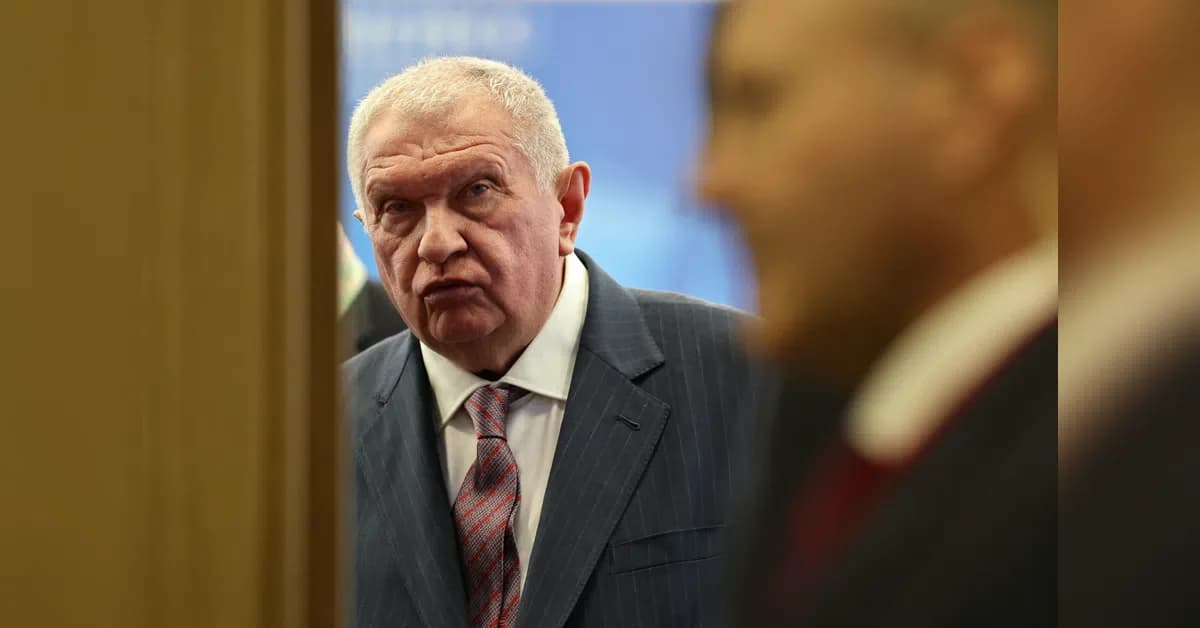
Sechin also criticized the OPEC+ group of leading oil producers, stating that the alliance has lost some of its potential following the withdrawal of the United Arab Emirates from the alliance. According to Business Standard, he noted that the alliance's production has fallen from 58 to 37 million barrels per day over the past ten years, with the UAE departure as well as earlier exits of Qatar and other countries contributing to the decline. Most major OPEC+ members have increased production since the agreement was signed in 2016, with Russia's oil production falling by 1.5 million barrels per day. The alliance's production decline reflects the challenges faced by the group in maintaining coordinated output levels across its member countries.
In Russia, oil production fell by 1.5 million barrels per day, representing a 15 per cent decline that will need to be offset by necessary investments of at least ten trillion rubles, as reported by Business Standard. Sechin indicated that investment cooperation between the alliance's member countries and Russia will also expand to address these production challenges. The CEO, known for his skepticism about Russia's cooperation with the Organization of the Petroleum Exporting Countries, has previously expressed concerns about the alliance's effectiveness. Sechin expects that investment cooperation between the alliance's member countries and Russia will also expand to address these production challenges, highlighting the need for coordinated investment strategies across the alliance's member nations.