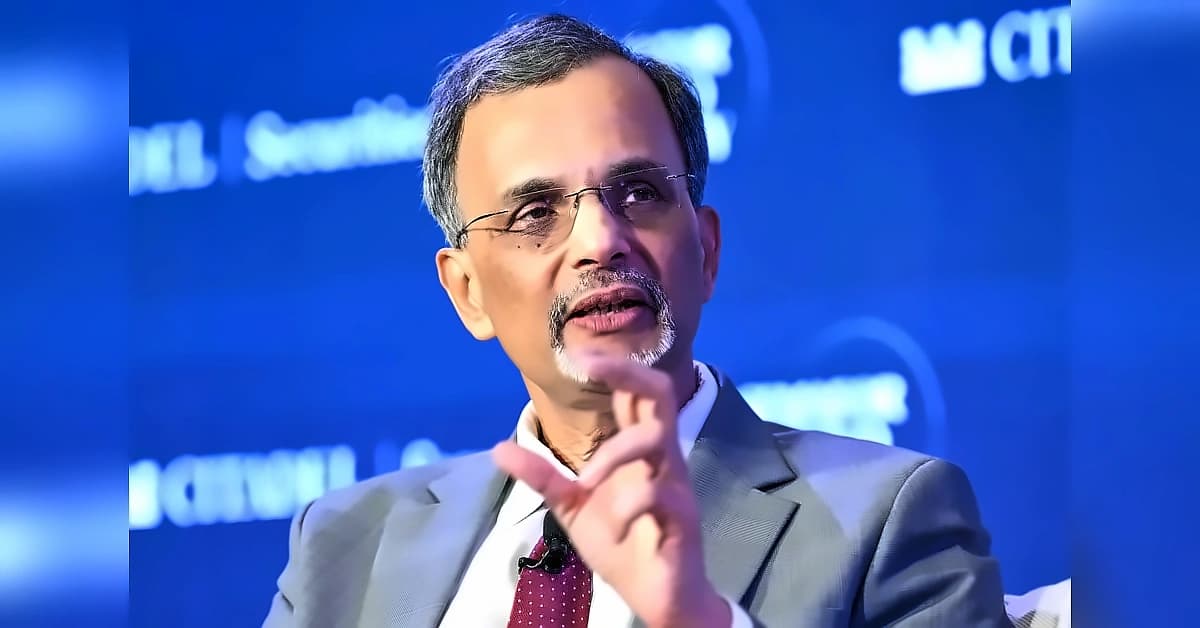
Former Reserve Bank of India Governor Raghuram G. Rajan has proposed a comprehensive solution to address AI-driven job displacement through targeted taxation. In his latest analysis, Rajan suggests taxing AI 'tokens' that firms use to offset the financial advantage that machines currently hold over human workers. As reported by Rajan, 'In a world where governments are already cash-strapped, one way to level the playing field is to levy a tax on the AI tokens a firm uses'. The economist emphasizes that this tax would not prevent AI adoption but would address the tax advantage for machines where companies pay social-security contributions for every worker but not for AI. According to Rajan's calculations, 'A US firm contributes social-security payments for every worker, but not for AI', making automation financially more attractive even when broader economic costs are considered. Rajan notes that such a levy would need to be carefully calibrated so that it does not discourage AI adoption, potentially starting at a low rate and increasing gradually as policymakers gain experience.
Despite the looming disruption, corporate AI integration is progressing at a slower pace than expected, with Rajan citing a US Census Business Trends and Outlook Survey showing only 20% of firms with more than 20 employees currently use AI, while larger businesses with at least 250 employees show slightly higher adoption at 37%. Rajan attributes this slow progress to integration challenges, the need for adaptive data models, and uncertainty regarding costs. As reported by Rajan, 'Many large firms are still running pilots and postponing hiring or firing decisions as they await more clarity' about AI implementation. However, he expects competitive pressure to eventually force companies to use AI more extensively, noting that 'Things take time. The firms that are not technology-savvy will take more time. That is it'. For India, Rajan sees the impact on jobs depending not just on AI improvement but on how quickly companies adopt it, with India's cost advantage potentially serving as a buffer. Rajan believes that the biggest obstacle to wider adoption at present is not AI's capabilities but the difficulty of integrating them into existing workflows, with companies needing systems that can work with existing data and adapt to new data generated through everyday use.
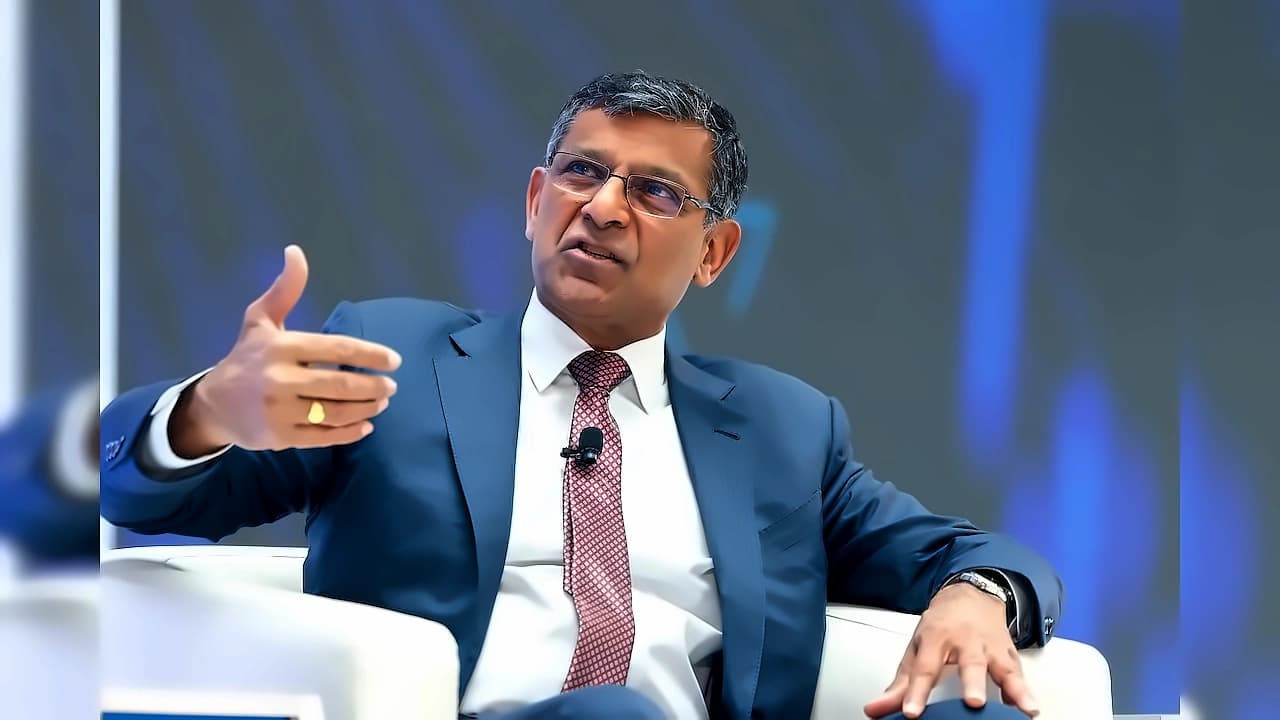
Rajan proposes tax credits for additional training with benefits linked to how long workers remain employed after receiving retraining. This approach could fundamentally change how companies approach workforce development, moving from retraining only when new technology arrives to making continuous retraining part of the employment model. According to Rajan's analysis, 'Recognizing that the first round of AI displacement will not be the last, it will be even more valuable to get firms to retrain workers periodically, and to retain workers whenever possible'. The economist emphasizes that 'More important than tax incentives, however, will be firms' acknowledgement that they are fully engaged in helping their employees cope with an uncertain future'. Companies that support workers through transition could benefit from a stronger reputation and wider pool of high-quality candidates. Rajan notes that retraining should become even more important because the first wave of AI-related displacement is unlikely to be the last, with companies needing to demonstrate commitment to helping employees navigate an uncertain future.
Despite job displacement concerns, Rajan identifies several positive outcomes from AI integration. According to his analysis, while some roles will become redundant, AI holds the potential to make remaining jobs more productive and exciting by removing drudgery. The technology is expected to create entirely new roles, such as AI engineers required to supervise implementation. Through the 'Jevons effect', AI-driven productivity increases can enable firms to reduce prices, increase sales, and ultimately boost employment. Additionally, AI can reduce startup costs for entrepreneurs, allowing them to establish businesses with AI performing tasks like web programming and accounting. Workers with moderate skills could use AI to take on more complex tasks, with Rajan citing economist David Autor's example of a nurse practitioner using medical AI to diagnose and treat a wider range of illnesses. This could open new opportunities in sectors where demand remains strong, with Rajan arguing that there is considerable scope for AI-driven job creation given the enormous demand for medical services worldwide.
Rajan concludes that while the AI transition presents significant challenges, it also offers opportunities for economic growth. According to his analysis, the more that corporations engage in providing good jobs for humans, the more we can all look forward to a future of plenty. He emphasizes that maintaining social solidarity during this transition period will be crucial, with corporations playing a central role in minimizing negative effects. For India, Rajan sees the cost advantage as a potential buffer, noting that 'The reason many firms are moving to India is because of its highly skilled service people,' with a consultant in India costing 'one-fifth the price of a consultant in the West'. This makes reskilling particularly important for Indian companies and workers as AI changes the nature of technology jobs. Rajan's message focuses on the need for proactive policy measures and corporate engagement to ensure a smooth transition toward an AI-enabled economy. He notes that the trend is already encouraging, citing ongoing research showing that the share of US Fortune 150 CEOs mentioning employee development in their shareholder letters rose from around 20% in 2008 to 44% in 2023, though he cautions that such statements could still amount to 'cheap talk'.