India's labor force is unlikely to face widespread job losses from artificial intelligence, though some positions in the services sector could be affected, according to Goldman Sachs Group's Chief India economist Santanu Sengupta. Speaking to Bloomberg Television's Menaka Doshi on Friday, Sengupta stated that the impact will be limited compared to many other countries. The economist cited India's large workforce as the primary reason for this resilience, noting that a lot of them are in more mechanical or physical kind of tasks. As per Goldman Sachs, the main reason for India's reduced exposure is because our workforce is pretty large, and a lot of them are in more mechanical or physical kind of tasks.
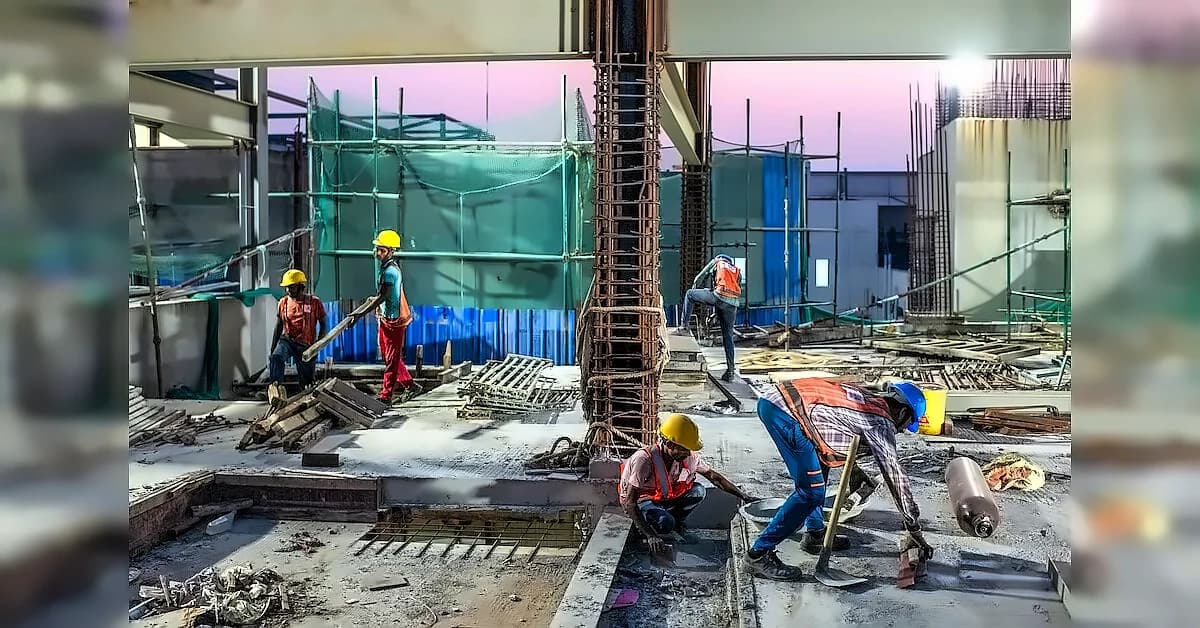
Construction and retail trade account for about 40% of India's workforce and are not really getting impacted by AI currently, as reported by Goldman Sachs. The economist identified that it's the services sector which is getting impacted. Parts of finance, healthcare, education and business services will benefit from AI adoption, while there will be some substitution risks mainly in postal and telecommunication and IT services, particularly in call-center jobs. The hit could be minimized if AI adoption is sequenced correctly, which may also add 0.4 percentage points to overall productivity over a 10-year horizon.
If AI is rolled out gradually, India will have the productivity benefits which will outweigh the potential job losses that can have over a five-year period, according to Goldman Sachs estimates. Sengupta explained that if AI is rolled out gradually, India will have the productivity benefits which will outweigh the potential job losses that you can have over a five-year period. The economist noted that if AI is rolled out gradually, India will have the productivity benefits which will outweigh the potential job losses that can have over a five-year period.
India's growth resilience has surprised Goldman Sachs. Despite its reliance on imported oil, the economy remains one of the fastest-growing major economies, as reported by Goldman Sachs. Inflation rose only slightly last month and remained within the Reserve Bank of India's 2%-6% tolerance band. Demand has also proved resilient, with record vehicle sales, credit growth at a two-year high and double-digit gains in Goods and Services Tax receipts. The economist noted that we thought that the Middle East shock would be a big dent in terms of growth, but we think the economy has been very resilient through the early part of the shock, at least, and it looks like it is behind us.
The Reserve Bank of India, which earlier this month kept rates unchanged for a fourth straight meeting, could begin raising interest rates from December depending on the pace of core inflation, according to Goldman Sachs. If underlying price pressures rise more slowly, Sengupta sees increases coming in February and April instead of December and February. Inflows from foreign-currency deposits and external commercial borrowings should give the central bank time to manage the currency. The economist noted that we are really looking at a very shallow hiking cycle.