The Iran war has created a massive global economic disruption, with companies worldwide losing at least $25 billion according to Reuters analysis of corporate statements. The report, released on Monday, shows that companies listed in the United States, Europe and Asia have cited rising energy prices, disrupted supply chains and trade routes severed by Iran's activities in the Strait of Hormuz as key factors in their financial losses. At least 279 companies have cited the war as a trigger for defensive measures to reduce financial losses, highlighting the widespread economic impact of the conflict. The Strait of Hormuz, which handles approximately 20% of the world's petroleum and a fifth of its liquefied natural gas (LNG) daily, serves as the world's most important energy chokepoint, making it a critical economic artery for global commerce.
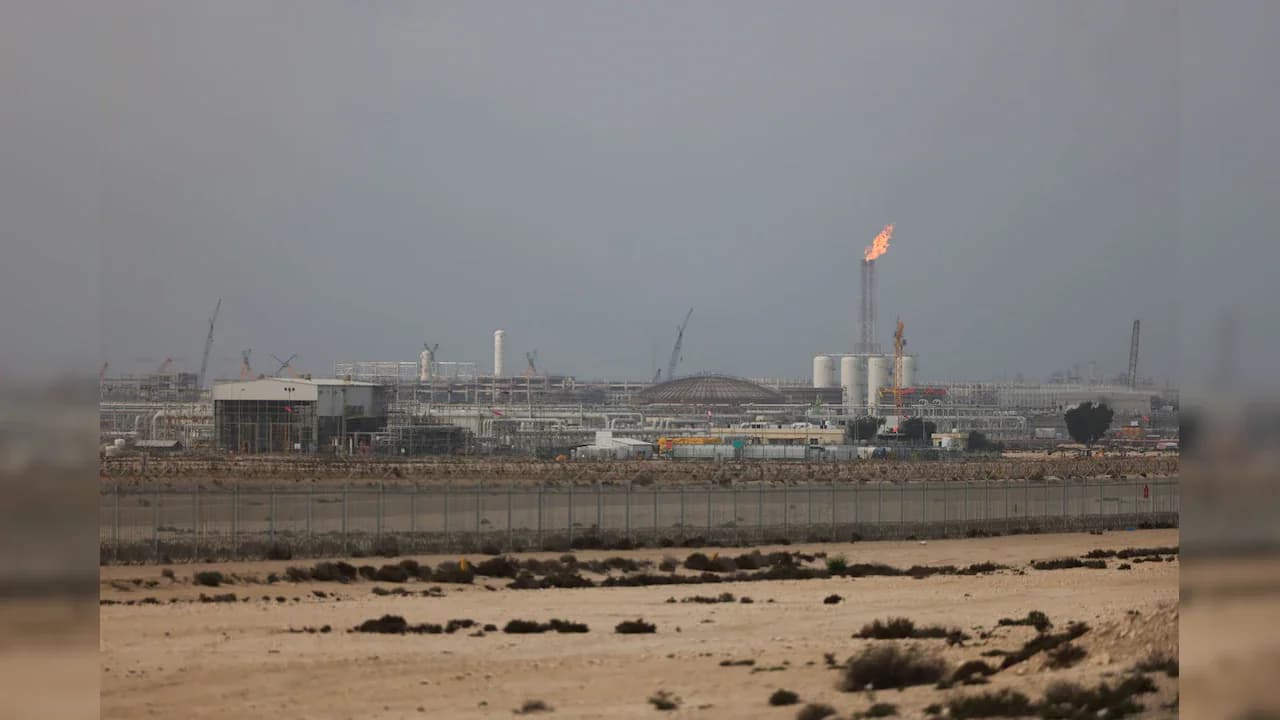
The disruption has created an unprecedented economic shock for Qatar, which still receives over 60% of its state revenue directly from gas and related exports. According to the New York Times report, infrastructure at Ras Laffan, Qatar's massive industrial gas hub, was allegedly damaged by Iranian missile and drone strikes, causing QatarEnergy, the nation's state-owned energy company, to stop multiple export obligations. The strikes reduced Qatar's production capacity by approximately 17%. As reported by analysts, QatarEnergy has lost billions of dollars since the crisis began, with additional losses accumulating daily as shipping routes remain blocked. The financial consequences are already severe, with economists estimating the damage may take years to fully repair even if regional tensions calm down soon. QatarEnergy has announced it will take up to five years to repair its Ras Laffan industrial hub alone, according to recent reports. The crisis has been particularly disruptive as Iranian attacks also targeted oil infrastructure in the region, including vessels in the Strait of Hormuz, forcing the country to reroute produce and grain through expensive air cargo or trucking routes via Saudi Arabia.
The IMF has predicted that Qatar's GDP will contract by 8.6% this year before rebounding later, according to the New York Times report. Economists cited in the paper warn that even if regional tensions eventually subside, the damage might take years to completely heal. The abrupt disruption has been extremely destabilizing for a nation that built its economy on continuous energy exports for decades. The crisis highlights how much Qatar still depends on a single economic engine despite years of diversification efforts, despite the country's massive sovereign wealth fund estimated at around $600 billion and accumulated state reserves providing far more protection than many other countries would have in a similar crisis. The International Monetary Fund (IMF) has predicted that Qatar's economy will shrink 8.6% this year before reviving in 2027.
The crisis has significantly affected Qatar's tourism and investment sectors, as reported by the New York Times. International visitor numbers have dropped sharply since the conflict escalated, with some foreign companies temporarily moving staff out of the country amid concerns about regional instability. Hotels, boutiques, and luxury malls have become noticeably quieter, with Qatar's carefully crafted image of stability damaged by images of missile strikes, air raid alerts, and damaged energy infrastructure. The World Travel & Tourism Council estimated that West Asia was losing $600 million a day in tourism revenue during the conflict. Tourism has also been hit in Qatar due to tensions in West Asia, with the number of international visitors plunging amid travel advisories from the US and other countries. Analysts warn that restoring international confidence could take much longer than repairing physical infrastructure, as the country's diversification efforts face pressure from the ongoing regional instability. The war had immediate impacts on global travel, with flights in and out of the Middle East coming to a near-complete stop, stranding residents, expatriates, and tourists alike.
The conflict has exposed another critical vulnerability: Qatar imports roughly 90% of its food supply through maritime routes, forcing the country to reroute produce and grain through expensive air cargo or trucking routes via Saudi Arabia. Despite the logistical chaos, the government has managed to prevent runaway inflation so far through heavy subsidies, according to supermarket workers cited in the New York Times report. However, the long-term sustainability of these measures depends heavily on how long the regional crisis continues, adding another layer of complexity to Qatar's economic recovery efforts. The Gulf Cooperation Council (GCC) has tried to diversify its economy by banking on tourism and aviation, but the war has disrupted these sectors significantly. In the aftermath of the 12-Day War, Iran's currency entered a free fall, exacerbated by the imposition in September of new international sanctions, leading to the outbreak of protests on December 28, 2025, which spread across Iran in January 2026.