Pakistan's benchmark KSE-100 index closed marginally lower at around 1,80,105 points yesterday, with the stock market closed today on account of Independence Day celebrations. According to reports from The Economic Times, the index has delivered a 23% return over the past year despite facing significant geopolitical challenges. The index touched an all-time high of 1,91,033 points in January 2026 but has since fallen around 6% from those peaks. The market performance comes amid ongoing Middle East tensions and concerns over Afghanistan's stability, with the disruption pushing up fuel prices and increasing pressure on US President Donald Trump to bring an end to the unpopular war.
The stock market saw a sharp surge earlier this year as Pakistan ramped up efforts to broker a peace deal between Iran and the US. As reported by The Economic Times, while an interim peace deal spiked hopes for prolonged peace, fresh escalations have dampened market sentiment. The United States has now threatened to keep a naval blockade of Iran in place indefinitely, renewing concerns over crude supplies. This comes as Iran continued to restrict traffic through the Strait of Hormuz, a key oil transit route that carried 20% of the world's oil before the conflict. Talks between Iran and the United States to end the war in the Gulf have remained stalled, keeping oil prices elevated and further increasing worries for Pakistan and its investors. Trump said the US had "total control" of the strait, while negotiations between Washington and Tehran appeared deadlocked as both sides hardened their positions.
Despite regional challenges, Pakistan's stock market is witnessing significant growth in retail participation, particularly among younger investors. According to The Economic Times, Pakistan Stock Exchange (PSX) has been one of the top performing stock exchanges in the region despite the Middle East conflict. PSX's Deputy General Manager Aamir Mushtaq Kanju stated that the exchange has set a target to reach 2.5 million new Pakistani investor accounts in the next two years. The market now represents a powerful wealth multiplier for many investors, with younger generations increasingly entering the stock market. However, as a senior official at PSX noted, the stock market still lags behind India and Bangladesh when it comes to the percentage of investments made by Pakistan's total population.
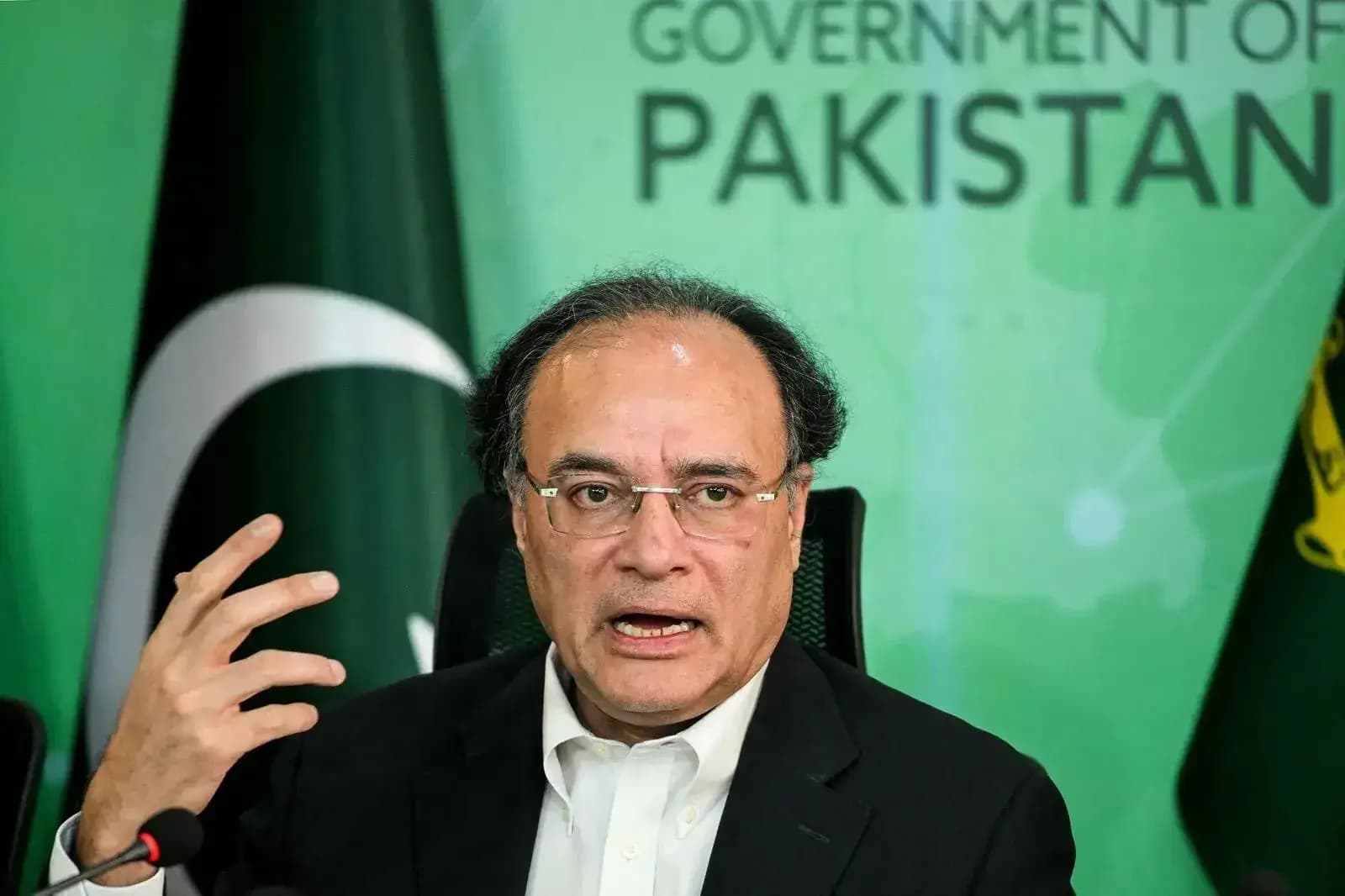
Pakistan's economic recovery continues with the GDP growing by 3.7% in FY26, though this missed its growth target due to external shocks. As reported by The Economic Times, the Pakistan Economic Survey (PES) for FY26 showed this performance. The country's annual budget 2026-27, presented by Finance Minister Muhammad Aurangzeb, saw a hike in defence spending by 17.6% to PKR 3,000 billion. The total federal budget is estimated at PKR 18,771 billion with a GDP growth target of 4% for the upcoming fiscal year. Minister for Finance and Revenue Muhammad Aurangzeb emphasized that the budget reflects the government's commitment to economic stability and growth.
Pakistan's current economic stability comes after the country was on the brink of defaulting on external debt payments in 2023 with inflation surging to a record 38%. According to The Economic Times, an IMF package has eased these concerns and contributed to the growing stability and surge in stock market performance. The country's stock market still lags behind India and Bangladesh when it comes to the percentage of investments made by Pakistan's total population, highlighting potential for further growth in retail participation. The recent economic challenges and geopolitical tensions have reinforced the importance of maintaining fiscal discipline and diversifying economic partnerships for sustained growth.