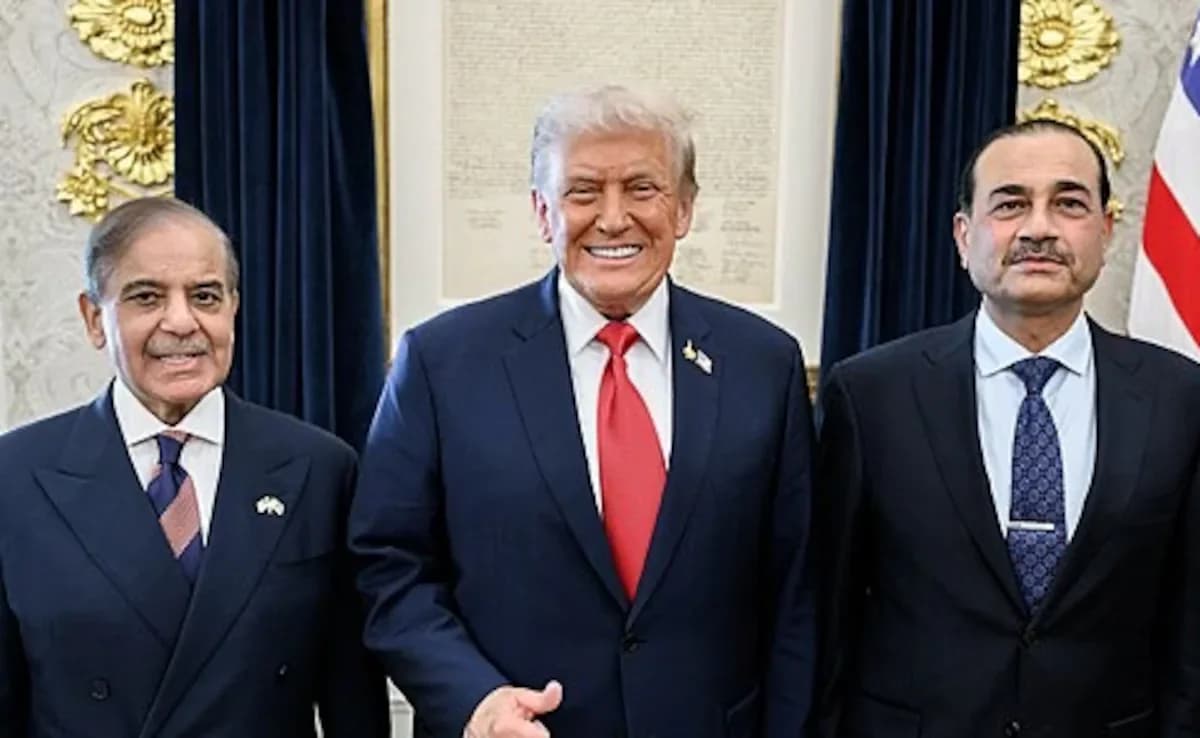
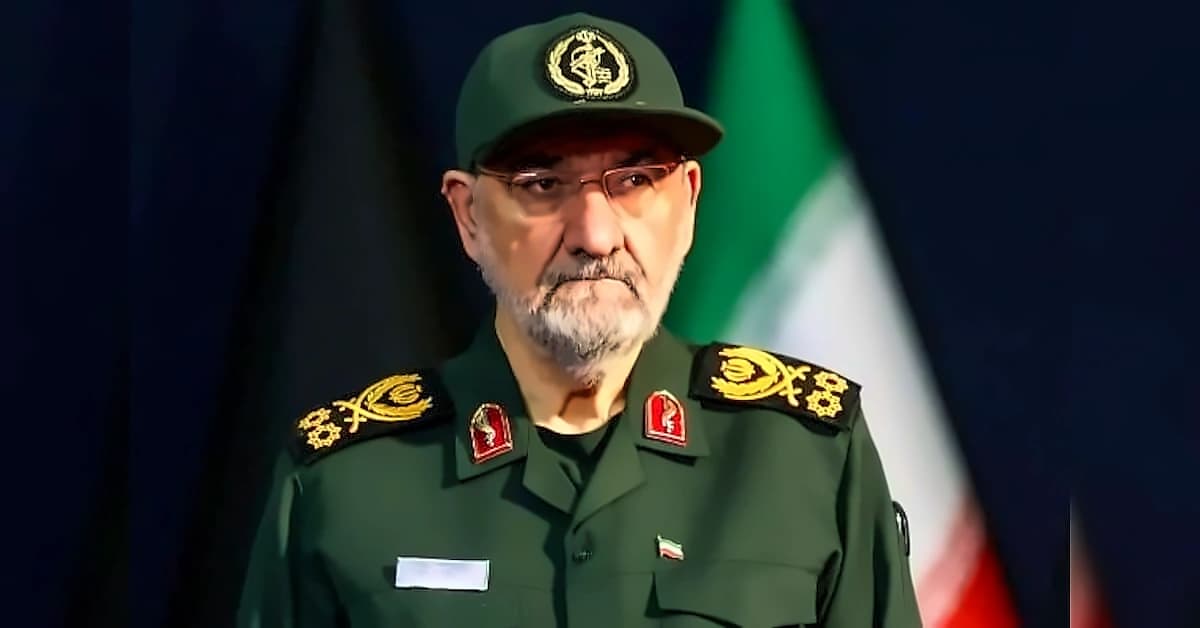
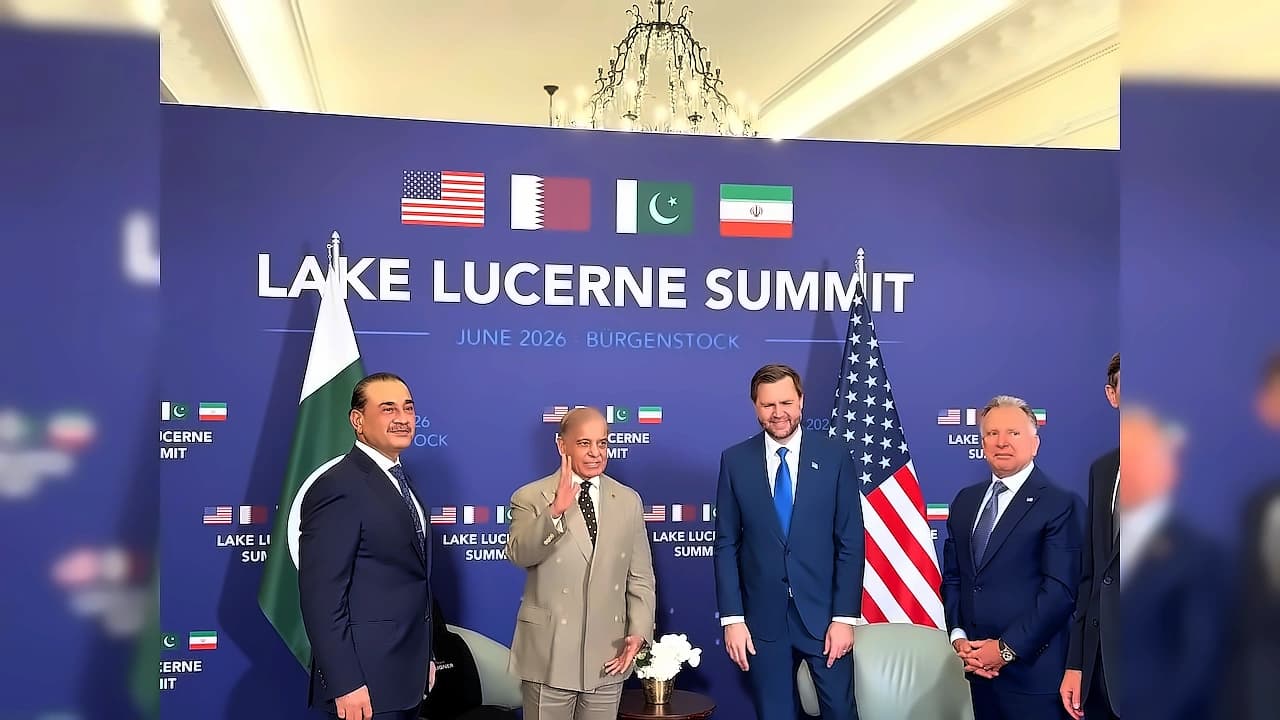
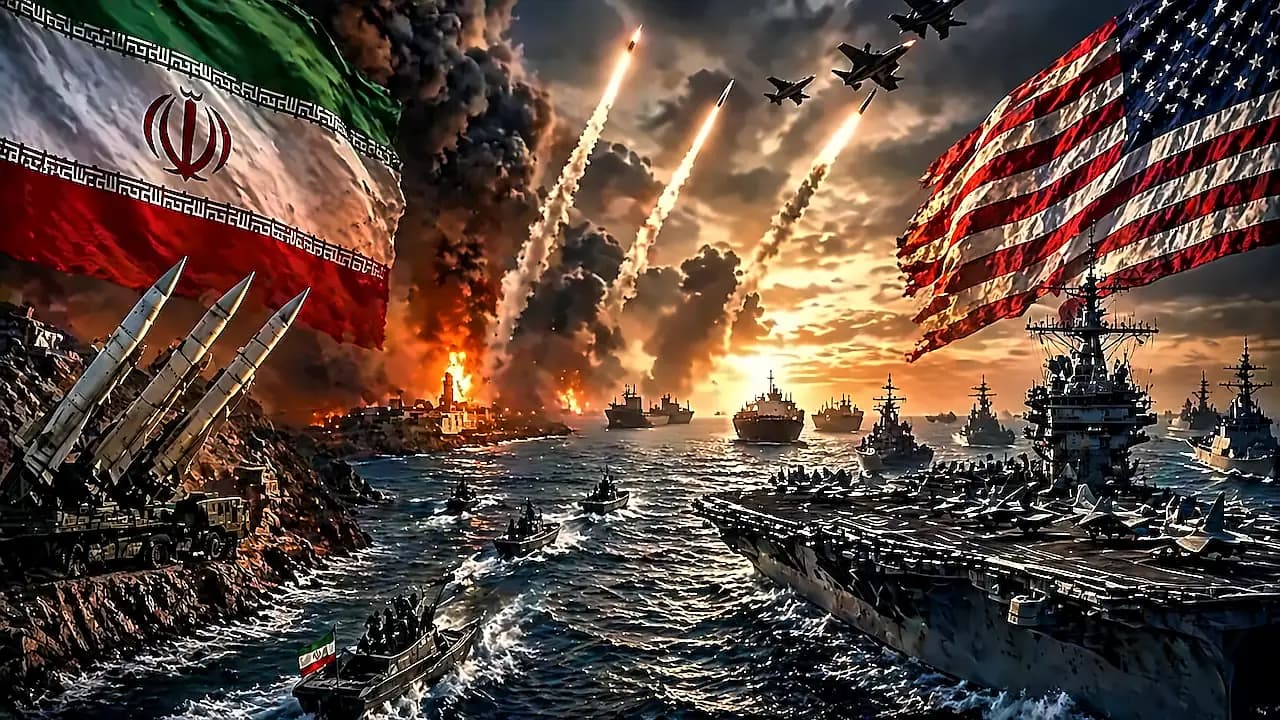
Pakistan Army chief Field Marshal Asim Munir has arrived in Tehran for high-level consultations as the US-Iran negotiations appear to be reaching a critical juncture. According to latest reports, the trip could be a signal that mediators believe a deal is getting close to being sealed. This follows Pakistan's Interior Minister Mohsin Naqvi's twice-weekly visits to Iran, where he held meetings with senior Iranian leaders as Islamabad attempts to bridge widening gaps between Tehran and Washington. As reported by multiple media outlets, these diplomatic efforts come as the fragile ceasefire between the United States and Iran hangs in the balance, with negotiations teetering on the borderline between a deal and renewed military action.
US Secretary of State Marco Rubio openly acknowledged Islamabad's role in ongoing mediation efforts, expressing hope that Pakistani engagement in Tehran could help unlock stalled negotiations. According to reports, Rubio told reporters: "I believe the Pakistanis will be travelling to Tehran today. So hopefully that'll advance this further." Rubio's comments came as US President Donald Trump warned that talks with Iran remained right on the borderline between a breakthrough and renewed military action, telling reporters: "If we don't get the right answers, it goes very quickly. We're all ready to go." Trump said a deal could come "very quickly" or "in a few days," but warned Tehran would have to provide "100 percent good answers."
According to Reuters and AFP reports, negotiations have now entered a sensitive phase focused on sanctions relief, maritime security guarantees and the future of the Strait of Hormuz. The Strait of Hormuz, which carries nearly a fifth of the world's oil shipments, has become a key point of contention. Iran continues to insist on retaining some level of supervisory control over Hormuz after imposing wartime restrictions during the conflict, while Washington has demanded unrestricted maritime passage. Rubio warned that any Iranian tolling system in the strait would make a diplomatic settlement unfeasible. Despite the ceasefire, the Strait remains closed, with Iran's new body overseeing Hormuz claiming control that extends to Emirati waters, drawing sharp rebukes from Abu Dhabi.
Iranian Parliament Speaker Mohammad Bagher Ghalibaf has maintained a defiant posture despite ongoing indirect negotiations, warning of a forceful response if the country faced another military strike. According to reports, Ghalibaf accused the US of still pursuing military objectives despite the ceasefire, saying: "The enemy's movements, both overt and clandestine, show that despite economic and political pressure, it has not abandoned its military objectives and is seeking to start a new war." Iran's foreign ministry spokesman Esmaeil Baqaei said the Islamic republic was examining points received from Washington, while repeating Tehran's demands for the release of its assets frozen abroad and an end to a US naval blockade. The diplomatic pressure has intensified amid fears that prolonged disruption in Hormuz could trigger higher global energy and food prices, with the Strait carrying around a third of global fertiliser shipments.
The latest diplomatic activity comes weeks after Pakistan hosted rare direct negotiations between US and Iranian officials in Islamabad, talks reportedly facilitated by Munir himself. While those discussions failed to produce a permanent settlement, with Tehran accusing Washington of making "excessive demands," diplomats say Pakistan has remained a crucial communication channel between both sides. Pakistan's Interior Minister Mohsin Naqvi, widely considered close to Pakistan's powerful army chief Asim Munir, visited Iran for the second time in a week on Wednesday. Beijing announced that Pakistan Prime Minister Shehbaz Sharif will travel to China on Saturday, which has also been involved in mediation efforts. Analysts said that for now, Pakistan's mediation, and the possibility of another Munir-led intervention, appears to be Washington's best remaining hope to prevent the Iran war from reigniting.