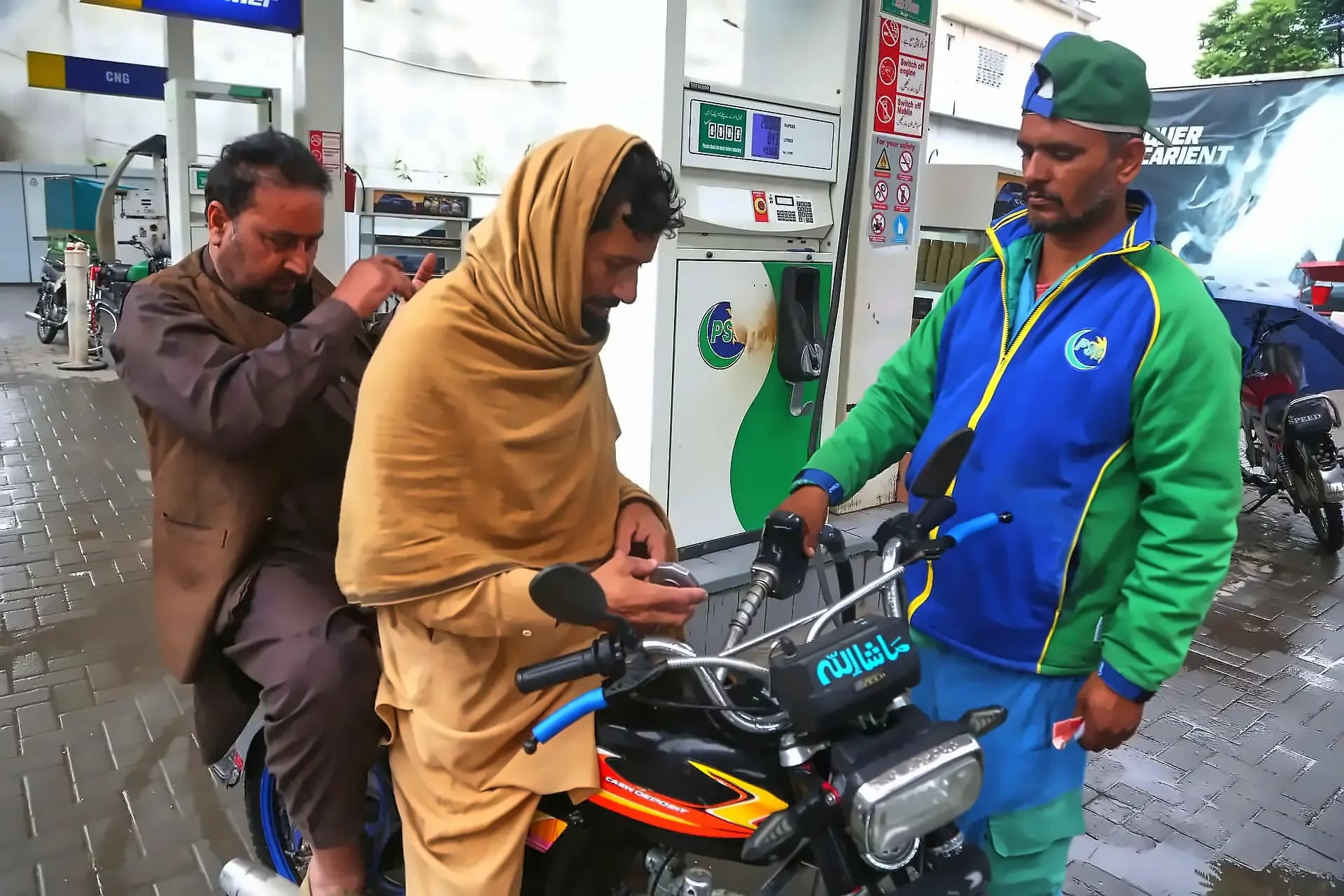
Pakistan's inflation crisis deepened in April 2026, with inflation reaching 10.9% at the consumer level and 13.6% at the wholesale level, driven by rising global oil prices. According to Focus Pakistan reports, the country's inflation could average between 9-10% over the next year under current conditions, with every $10 increase in oil prices adding approximately 50 basis points to inflation. The projections are based on oil prices at $100 per barrel, with potential for inflation to reach 11% if oil rises to $120 per barrel, potentially forcing the State Bank of Pakistan into further aggressive interest rate hikes. Urban centers experienced more severe inflation impact, with annual inflation exceeding 11% in urban areas compared to rural regions, particularly affecting middle and lower-class citizens who spend higher proportions of their income on food and fuel.
The economic outlook has deteriorated significantly, with Topline Securities Ltd cutting Pakistan's GDP forecast for FY27 to between 2.5-3.0% from an earlier estimate of 4.0%. Growth for FY26 is projected at 3.5-4.0%, but the industrial sector remains particularly vulnerable, with growth possibly dropping to just 1% from nearly 4%. This revision reflects the impact of rising energy costs and regional instability on the country's economic performance. Economic commentators warn that persistent inflation may affect consumer expenditure, with people focusing more on necessities while curbing discretionary spending, potentially hurting overall economic growth at a time when Pakistan requires steady growth to reach development objectives.
The economic strain is compounded by deteriorating external accounts, with the current account deficit for FY27 projected to exceed $8 billion if the government fails to maintain strict import controls. The fiscal deficit for FY26 is expected to range between 4.0-4.5% of GDP, exceeding targets set by the International Monetary Fund. Additionally, the country faces a 3.5% decline in remittances with inflows from the Gulf Cooperation Council region expected to fall by 10%, while exports are forecast to decline by 4%. The currency outlook remains challenging, with the Pakistani rupee expected to weaken to 298 against the US dollar by FY27.
The inflation surge is driven by three primary factors: food prices rising due to cooking oil, flour, vegetables, and dairy products; energy costs increasing from electricity, gas, and global fuel price hikes; and transportation costs escalating due to fuel and logistics expenses. As per Focus Pakistan, wholesale inflation can quickly translate to retail price increases since producers and distributors pass on higher production costs to consumers. The Pakistan Stock Exchange has declined 15% during the first quarter, reflecting the country's heavy reliance on imported energy, with petroleum imports projected to reach $15 billion in FY26 and Pakistan importing around 85% of its energy needs. Policy makers are emphasizing the need for swift and coordinated measures to control inflation and ensure price stability in the remaining months of the fiscal year to address cost-related problems in food and energy chains.