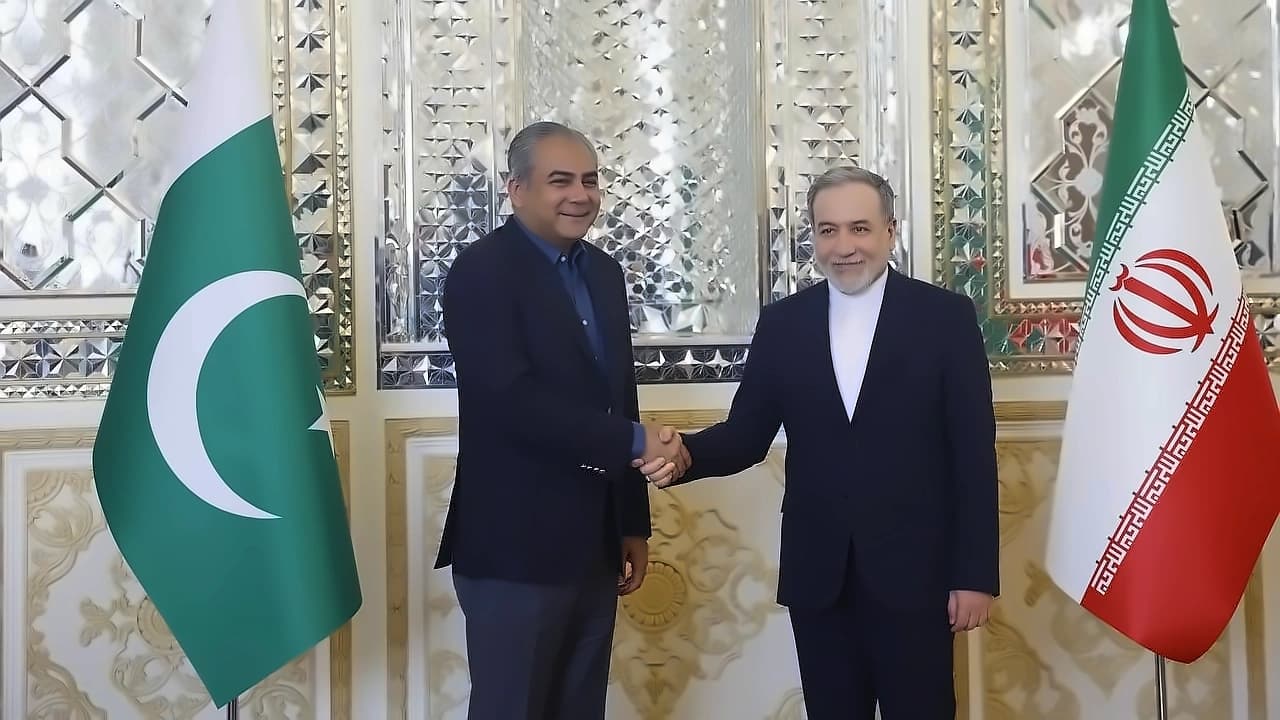
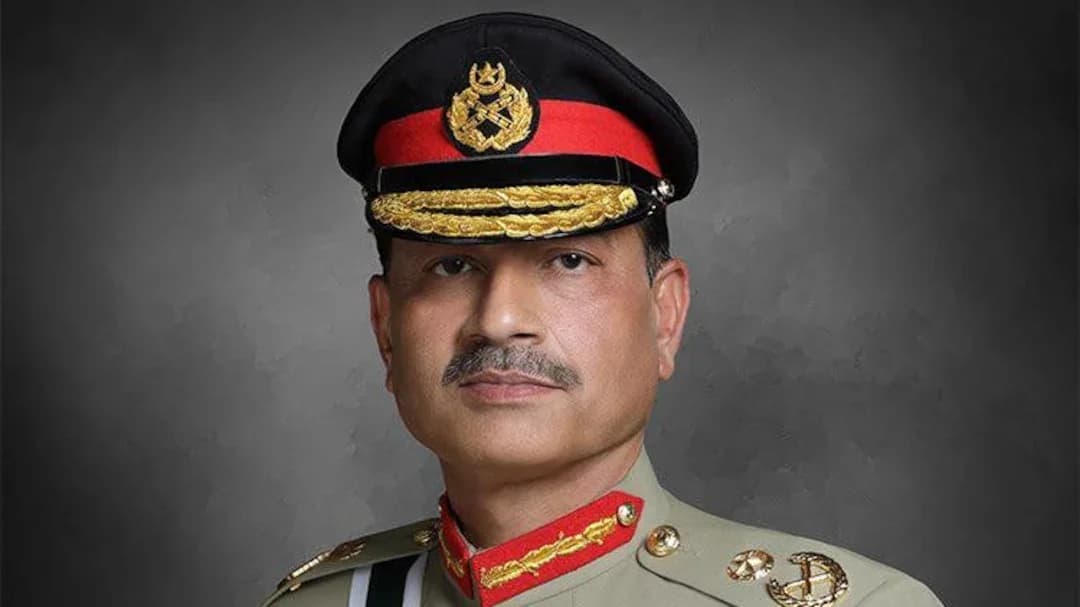
Pakistan Army chief Field Marshal Asim Munir arrived in Tehran on May 21 as part of Islamabad's efforts to mediate between Iran and the United States, according to Iran's semiofficial ISNA news agency. The military's media wing, Inter-Services Public Relations (ISPR), confirmed that Munir was received by Iranian Interior Minister Eskandar Momeni upon arrival, while Pakistan's Interior Minister Mohsin Naqvi was also present at the reception. This marks Munir's second visit to Tehran in just over a month following earlier high-level security consultations, as reported by Al Arabiya.
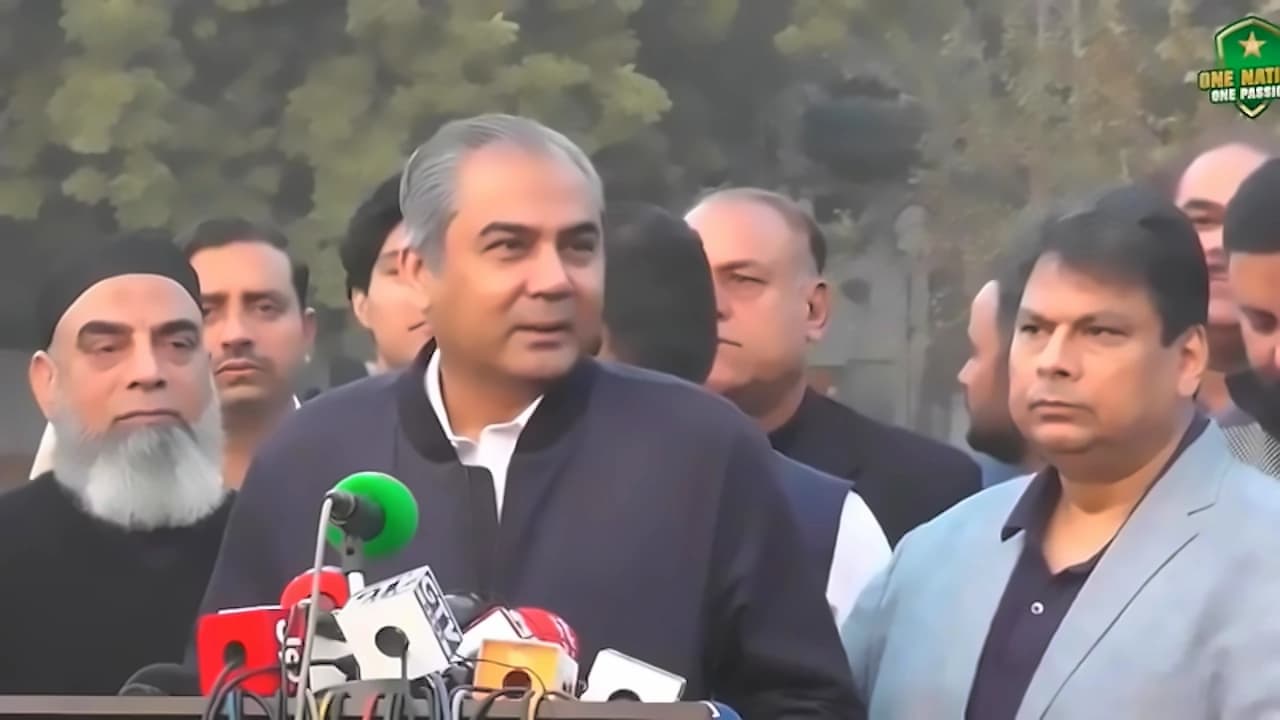
The visit represents a significant escalation in diplomatic activity, with Pakistan's Interior Minister Mohsin Naqvi returning to Tehran on May 20, less than 30 hours after arriving back from an earlier visit, according to multiple reports. This intensive engagement follows Pakistan's hosting of one round of talks in mid-April and demonstrates the growing momentum in backchannel diplomatic efforts. The diplomatic push comes as Pakistan has assumed an increasingly active mediation role since the beginning of the war in late February following joint US-Israeli strikes on Iran, with Islamabad maintaining close coordination with Tehran and Washington to help revive stalled negotiations.
In a significant development, Iran is transforming its wartime control of the Strait of Hormuz into a formal permit-and-toll system, despite US warnings and a parallel American naval blockade, according to maritime intelligence firm Windward. Iran's Islamic Revolutionary Guard Corps said on Thursday that 31 vessels, including oil tankers and container ships, had transited the strait over the past 24 hours, as reported by The New York Times. However, US Secretary of State Marco Rubio warned that a diplomatic agreement would be "unfeasible" if Tehran continued pursuing the tolling system, stating "No one in the world is in favor of the tolling system. It can't happen. It would be unacceptable." The US military launched a naval blockade of Iran's southern ports after the cease-fire announcement on April 8, while the strait remains blocked by Iran's Islamic Revolutionary Guards Corps.
Qatar, which has previously brokered talks between Washington and Tehran, also dispatched a negotiating team to Tehran on Friday, according to a source familiar with the matter told Al-Monitor. Saudi Arabia's interior ministry confirmed that Naqvi held a telephone conversation with the Kingdom's Interior Minister Prince Abdulaziz bin Saud bin Nayef, during which the two sides discussed issues of mutual interest and security cooperation between the countries. The conflict and disruptions around the Strait of Hormuz, through which roughly one-fifth of global oil and gas supplies pass, have raised concerns over regional stability and global energy markets. Pakistan has also been coordinating its diplomatic efforts with China, which has backed Islamabad's mediation push and jointly promoted a five-point peace proposal.
US President Donald Trump said on May 20 that he is willing to wait "a few days" for Iran's response to Washington's latest proposal, but warned the situation could escalate quickly if Tehran fails to provide "the right answers." Speaking to reporters after addressing a graduating class of military cadets in New London, Connecticut, Trump said: "Believe me, if we don't get the right answers, it goes very quickly. We're all ready to go." An Iranian official speaking anonymously confirmed that "some new ideas and texts have been exchanged" between the two sides, though emphasized it "does not mean a deal which can be announced." Iranian Foreign Ministry spokesman Esmaeil Baghaei tempered expectations, stating that "deep and extensive" differences remain between Washington and Tehran. The United States and Iran have exchanged multiple proposals to end the war, but major sticking points include Tehran's insistence on maintaining its nuclear program and control over the Strait of Hormuz, along with seeking the lifting of all US sanctions and compensation for war damage.