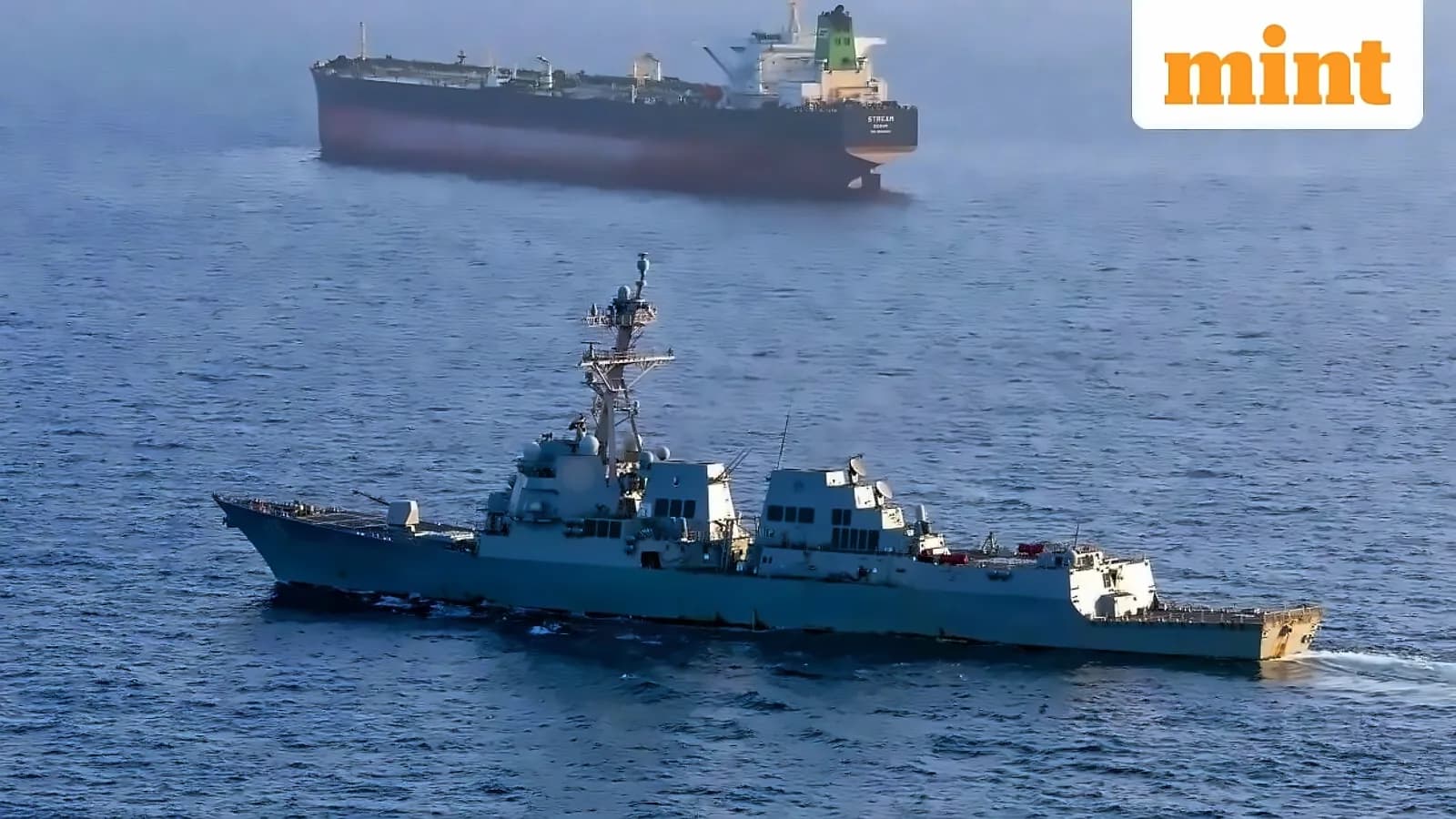
President Trump's admission that he expected oil to hit $200-$250 per barrel during the Iran conflict has revealed just how close global markets came to a worst-case energy scenario. Speaking at the White House, Trump said he was willing to accept these risks for regime change in Iran, demonstrating the seriousness with which Wall Street had been gaming out potential energy disruptions. The $200/barrel threshold represents a critical inflection point where energy costs transform from manageable supply risk to systemic economic threat, with analysts warning that $200 oil would have sent capital flooding toward energy producers and away from growth sectors. While oil prices never reached these levels, the episode offered an important reminder that a single shipping lane halfway around the world can still rattle retirement accounts within hours.
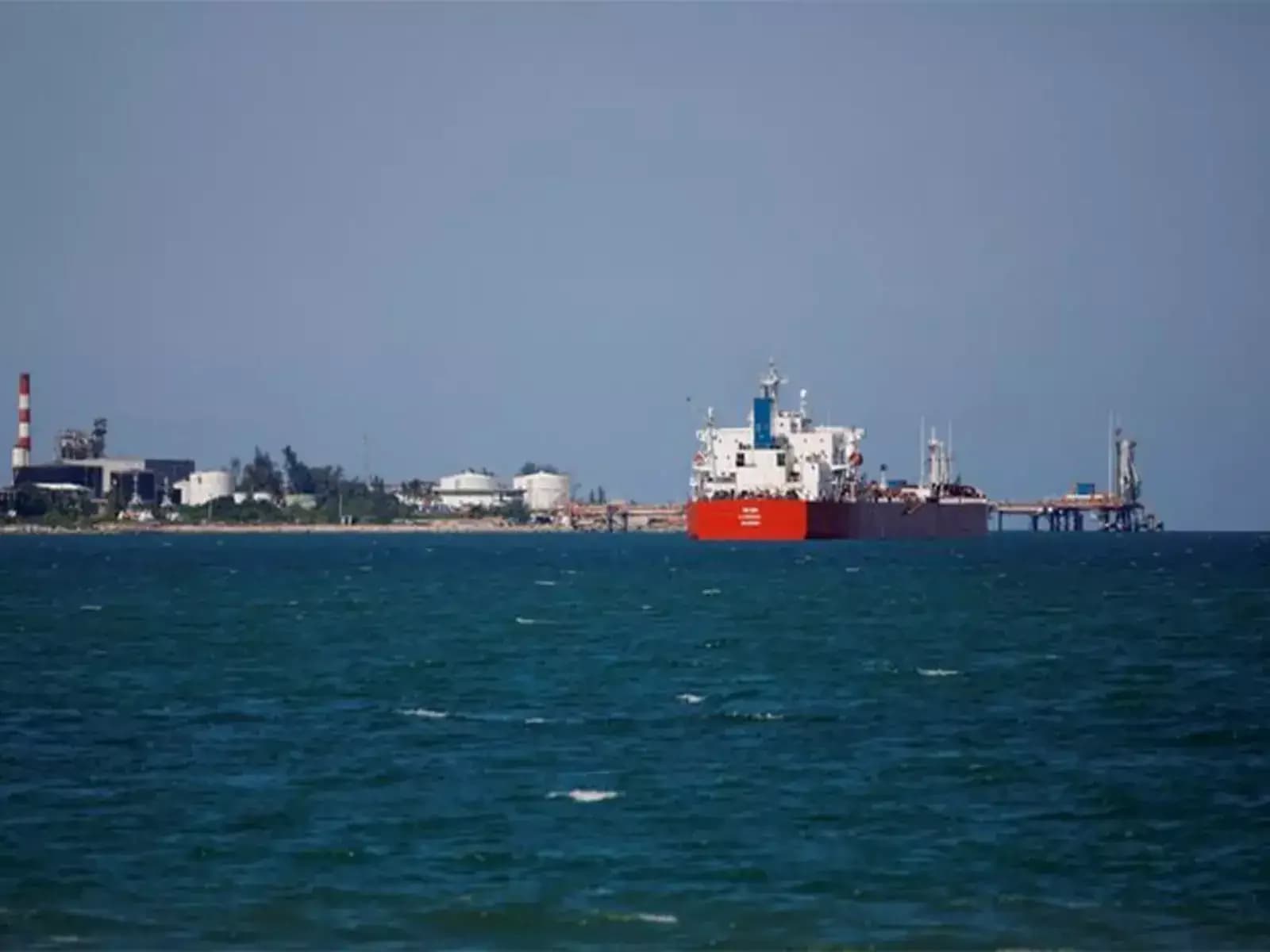
The current US-Iran tensions have exposed a fundamental vulnerability in global energy infrastructure, with Iran's strategic position at the northern shore of the Strait of Hormuz giving it unique ability to threaten passage of approximately 20% of global oil supply. According to latest analysis, the geopolitical trade tensions are now intersecting with energy vulnerability in ways that compound systemic risk. The simultaneous emergence of a $7 billion suspicious trading controversy adds complexity beyond geopolitics into questions about market integrity itself. Energy markets function efficiently only when participants operate on the same informational footing, but evidence of large-scale pre-announcement positioning undermines this assumption and raises costs for all market actors lacking access to the same information.
Global equity markets are signalling confidence that geopolitical tensions may soon ease, even as sporadic military flare-ups continue to dominate headlines. According to market commentator Peter Cardillo from Spartan Capital Securities, investors across major markets are increasingly behaving as though the worst phase of the conflict has already been priced in during the sharp volatility witnessed earlier this year. Speaking to ET Now, Cardillo observed that investors are largely betting on an eventual resolution to the conflict despite intermittent exchanges between the United States and Iran. Markets are becoming accustomed to periodic flare-ups and are instead focusing on the broader expectation that hostilities could gradually wind down.
Crude oil has emerged as the primary source of concern for global investors and policymakers, with Brent crude climbing to $101.60/barrel and WTI surging to $96.66-$97.18/barrel following recent US military actions. The Brent-WTI spread of approximately $4.94-$5 at these levels captures the risk premium that global markets are attaching to Hormuz-linked supply risk, as domestic US production faces no such exposure. Analyst scenario modelling places worst-case Brent crude pricing at $130-$145/barrel in the event of sustained Hormuz blockade, though a full blockade remains a low-probability outcome given economic consequences for Iran and US military deterrence capacity. The current crisis tracks closer to sustained-tension scenarios rather than swift resolution, with the speed and magnitude of price jumps reflecting structural vulnerabilities that decades of energy diversification policy have failed to address.
The ripple effects of expensive crude are already becoming evident in several sectors, with airline ticket prices climbing sharply as carriers pass on higher fuel costs to passengers, while gasoline prices in the United States have moved substantially higher. Higher fuel expenses eventually reduce discretionary consumer spending, a trend that economists closely monitor. The $100/barrel threshold for Brent carries significance beyond technical levels, as sustained pricing above this level historically correlates with accelerating consumer price inflation across import-dependent economies. According to the U.S. Energy Information Administration, roughly 20% of the world's petroleum liquids consumption passes through the Strait of Hormuz each day, instantly raising fears of supply shortages. If oil had reached $200/barrel, U.S. gasoline prices would have hit $7-$8 per gallon, airline fuel costs would have increased 50-70%, and inflation rates could have returned toward 7-9%.

Apart from geopolitical tensions and inflation concerns, markets are navigating unprecedented questions about market integrity. According to Reuters reporting, the US Commodity Futures Trading Commission (CFTC) is reviewing positions valued at up to $7 billion that were established across multiple exchanges during March and April 2026, in the period immediately preceding major US policy announcements regarding Iran. This figure reportedly exceeds a previously disclosed threshold of $2.6 billion in flagged activity, representing substantial scaling up of concerning patterns. The critical concern is the timing alignment: positions were established before policy announcements that subsequently drove price movements consistent with those positions. If confirmed as coordinated pre-announcement positioning, it would represent one of the largest alleged commodity market manipulation events in recent memory, raising structural questions about energy derivatives market integrity and introducing a market integrity risk premium on top of existing geopolitical supply risk premiums.