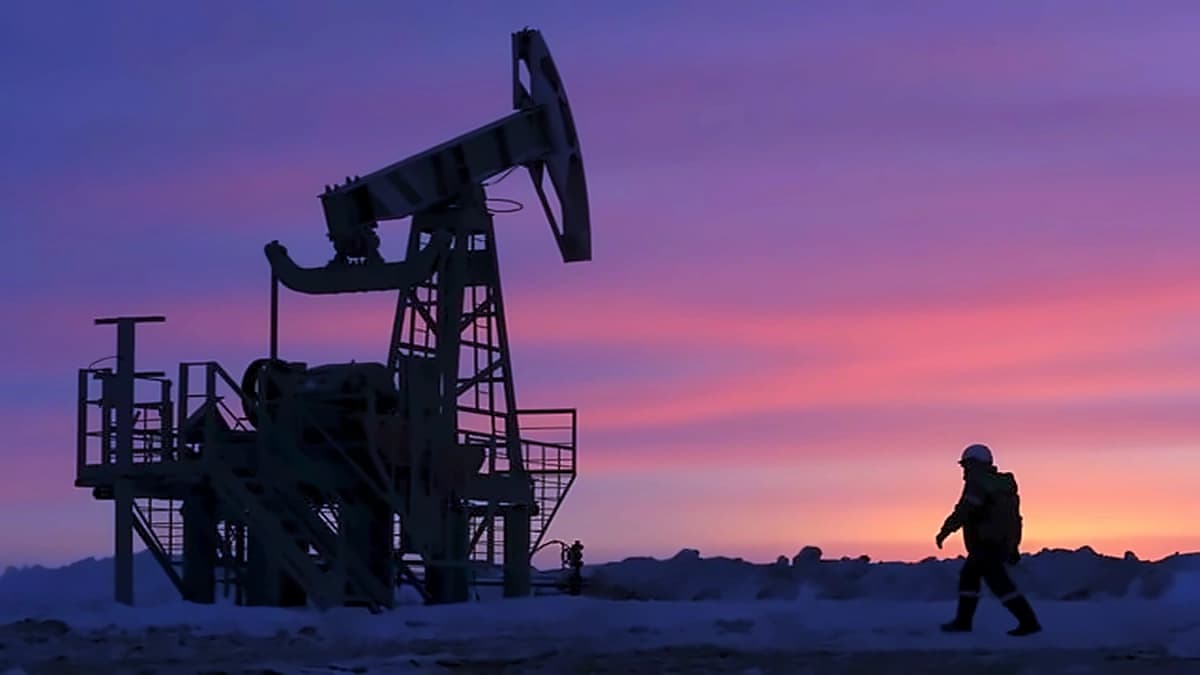
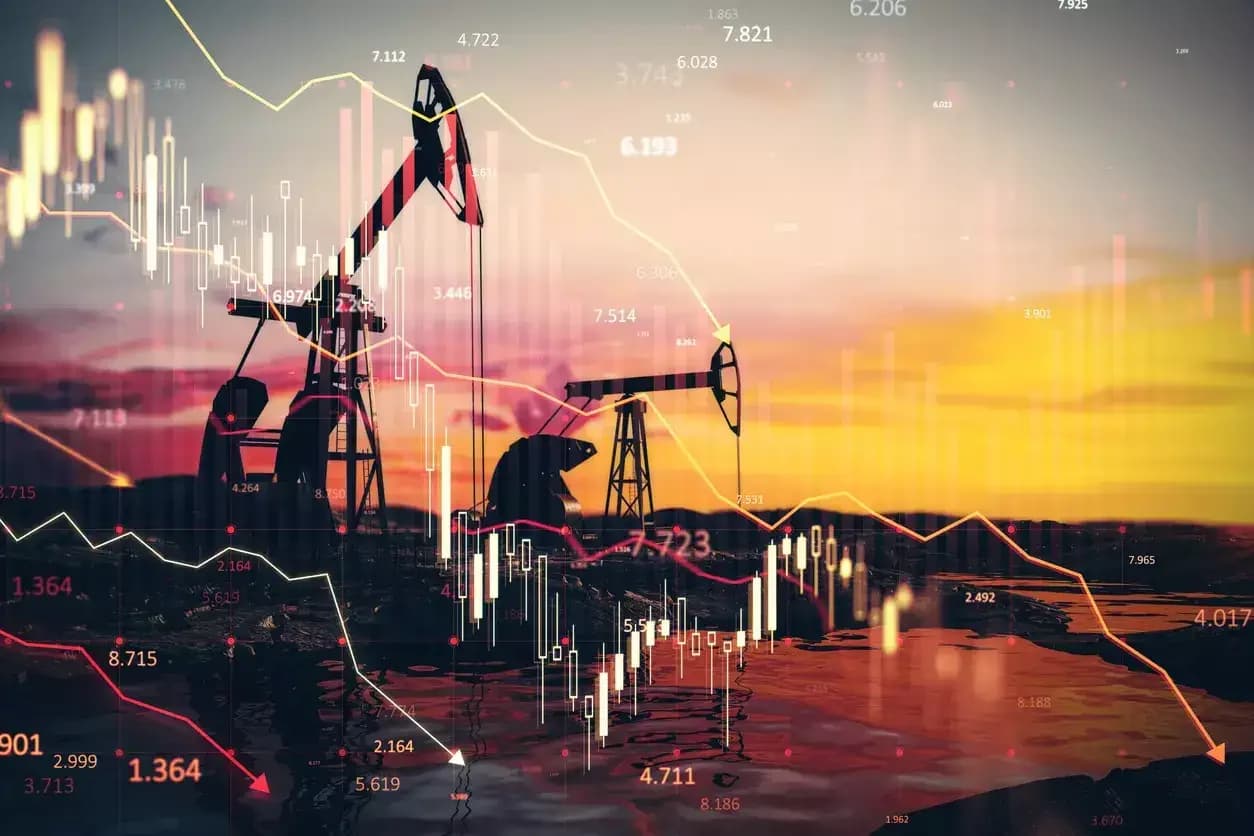
President Trump announced a two-week ceasefire with Iran on Tuesday, less than two hours before his deadline for Tehran to reopen the Strait of Hormuz or face devastating attacks on civilian infrastructure. The agreement came after Trump had issued an extraordinary warning that "a whole civilization will die tonight" unless his demands were met. Market reaction was swift and dramatic, with U.S. crude futures down around 15% to $96.31 a barrel and Brent futures sliding 13% to $95.36 per barrel. The ceasefire represents a significant reversal from Trump's earlier threats to order attacks on Iranian power plants and bridges if the strait remained closed by Tuesday 8pm ET (1am BST Wednesday). Speaking at the White House, Trump said he believed "reasonable" leaders in Iran were negotiating in "good faith," but that the outcome was still uncertain.
Global markets responded with a broad-based rally as investors embraced the ceasefire news. S&P 500 futures jumped more than 2% while European futures leapt more than 5%. In Asia, Japan's Nikkei surged about 5% and South Korea's KOSPI rose 6%, triggering a brief halt in trading. The U.S. dollar fell broadly against other currencies, with the Australian dollar and euro both rising. US 10-year Treasury futures jumped about 15 ticks amid increased investor confidence, while 10-year Treasury note yields dropped 9.5 basis points to 4.247%, the lowest since mid-March. The MSCI's broadest index of Asia-Pacific shares outside Japan rose 4% as the relief rally gained momentum. However, stock markets in the US opened lower and saw choppy trade after Trump ramped up threats on Tuesday morning, with the Nasdaq closing about 0.1% higher, the S&P 500 ending flat and the Dow slipping about 0.2%.
Even if an agreement is reached to end the conflict, economic recovery will take time according to market experts. Tineke Frikkee, senior fund manager at W1M, told the BBC's Today programme that "oil flows could start coming through the Strait of Hormuz a bit quicker, but they will take some time to reach their destination." For other commodities like liquid natural gas, facilities have been turned off, so it will take three to four months to get them back online. Some Asian countries have made deals with Iran to get their ships through the strait as their economies are heavily reliant on energy from the Gulf, but Frikkee noted there are still many problems for oil supply due to the US-Israel war with Iran. "The fact a ship can go through is great. But at what price? Insurance for a ship has gone up a lot, and lots of other countries are looking to have anything, so it kind of goes to the highest bidder," she explained.
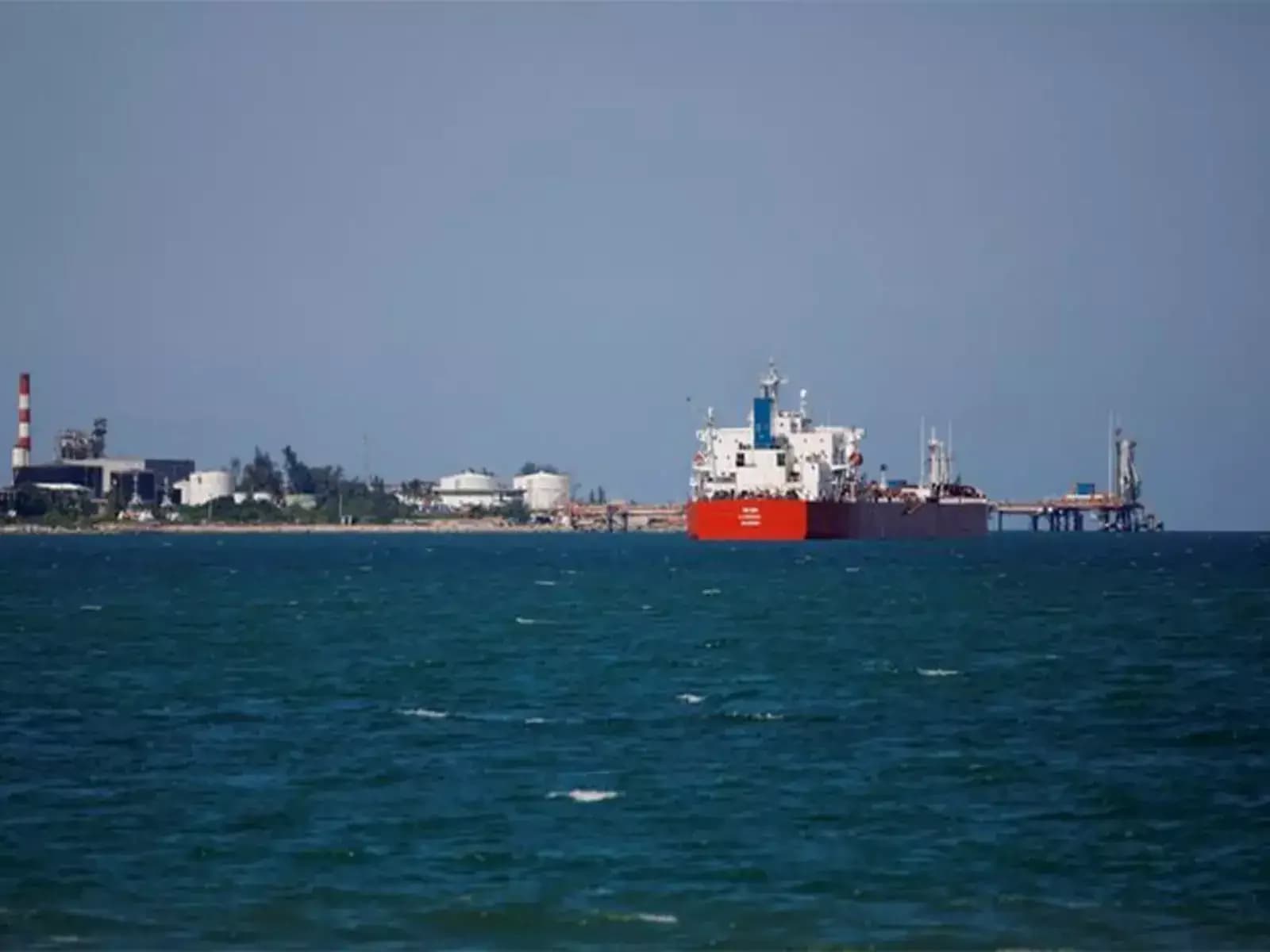
The oil and gas crisis triggered by Iran's effective blockade of the Strait of Hormuz is "more serious than the ones in 1973, 1979 and 2022 together," according to the head of the International Energy Agency (IEA). Fatih Birol stated that "the world has never experienced a disruption to energy supply of such magnitude." He warned that developing nations would suffer from higher oil and gas prices, higher food prices and a general acceleration of inflation, while European countries, Japan and Australia would also feel an impact. The IEA member countries agreed last month to release part of their strategic reserves to rein in the surge in crude oil prices, with some releases already completed.
Escalating Middle East tensions and disrupted oil flows through the Strait of Hormuz pose a major inflation risk for the United States, with a Federal Reserve Bank of Dallas study warning prices could surge sharply if conflict involving Iran persists. According to reports from The Economic Times, the study highlights that a sustained disruption in oil shipments—particularly through the strategically critical Strait of Hormuz—could drive US headline inflation well above 4% by the end of the year. The findings come at a time when global markets are reacting to fast-moving geopolitical developments, including recent threats of escalation involving Iran and the United States. Jamie Dimon, chief executive of US investment bank giant JPMorgan, warned that global interest rates could rise as the conflict is set to push up inflation. The UK hosted a meeting of allied military planners and partners from more than 30 countries to discuss measures to secure the Strait of Hormuz once the conflict is over, with plans to host another.
The Dallas Fed paper outlines multiple scenarios based on the duration of supply disruption. As reported by The Economic Times, a short-term closure lasting about a quarter could trigger a sharp but temporary spike in inflation, with annualized increases surging in the near term before moderating. However, a prolonged disruption stretching up to nine months could have a more lasting impact, pushing oil prices as high as $167 per barrel and lifting year-end inflation by as much as 1.8 percentage points. The Strait of Hormuz, which accounts for roughly a fifth of global oil flows, has already faced significant disruption in recent weeks amid heightened military tensions. Around a fifth of the world's oil and gas shipments usually pass through the narrow waterway, with major economies in Asia, including Japan and South Korea, being particularly affected as they are heavily reliant on Middle East energy. While some ships have used the strait in recent weeks, it has been at much lower volume than before the conflict.