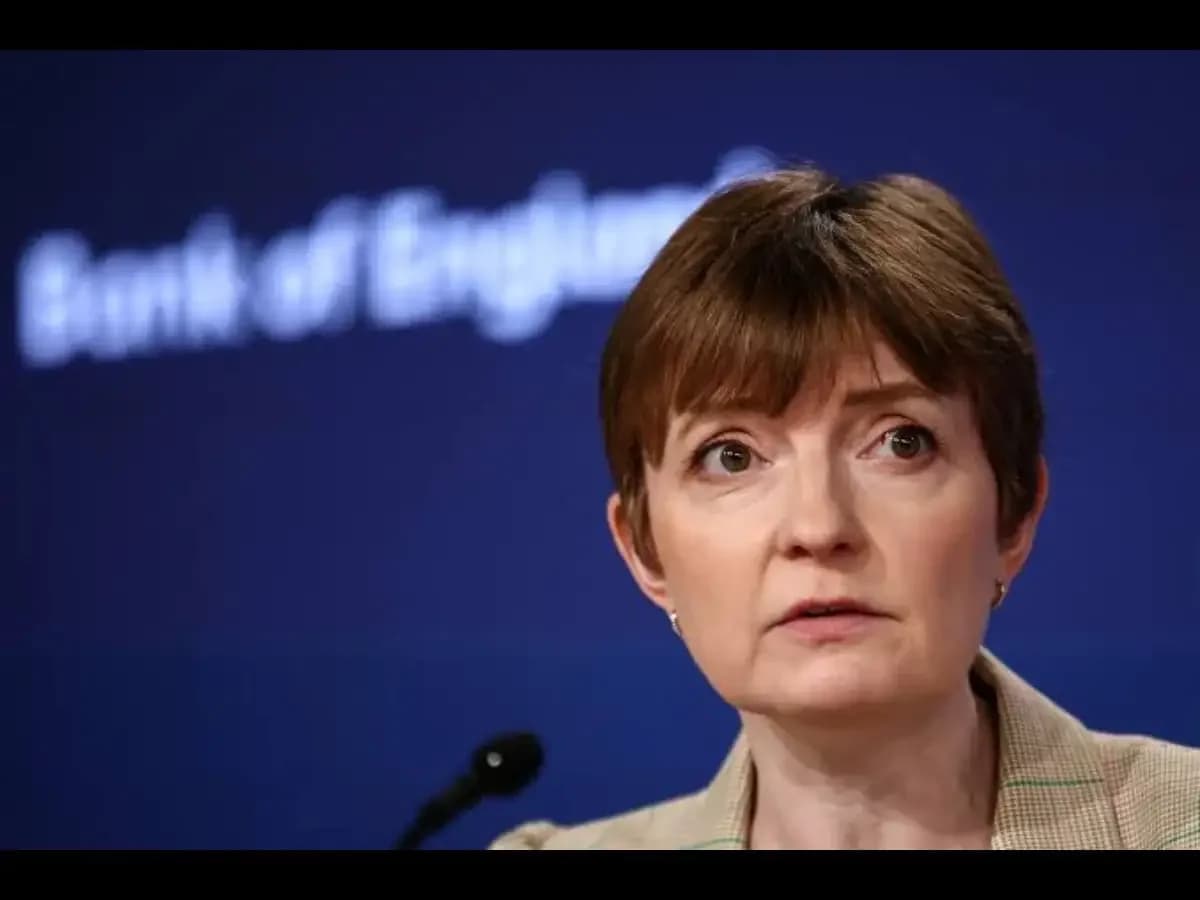
The Reserve Bank of New Zealand delivered a hawkish hold at 2.25% in a surprise split 3-3 vote, with Governor Anna Breman using her casting vote to maintain current rates. According to the latest RBNZ statement, the Monetary Policy Committee split evenly 3-3, forcing the governor to exercise her casting vote to keep rates unchanged. This split vote underscored how close the RBNZ already is to restarting hikes, with three members arguing that "monetary conditions remained accommodative" and favoring an immediate 25 basis point increase today. The central bank warned that "the OCR will most likely need to increase sooner and by more than envisaged in the February Monetary Policy Statement," with all committee members agreeing that "increasing the OCR at upcoming meetings would likely be necessary" to prevent near-term inflation from becoming embedded over the medium term.
The RBNZ warned that interest-rate increases are likely at coming meetings as policymakers respond to intensifying inflation risks linked to higher global energy prices and ongoing Middle East tensions. According to the latest RBNZ statement, the central bank highlighted that annual inflation is expected to peak at 4.3% in the September quarter before only returning to the 2% target midpoint in mid-2027, representing a significant acceleration from the 3.1% recorded in the March quarter. The RBNZ warned that supply chain disruptions, elevated energy prices and weaker confidence were weighing on the economy, while unemployment remained high and the housing market subdued. New Zealand's latest Q1 2026 inflation data came in at 4.5%, well above the RBNZ's target range, providing further justification for the hawkish stance. Policymakers are increasingly concerned that higher fuel and petrochemical costs could trigger broader second-round inflation effects through wages and business pricing behavior.
Despite the inflation warnings, the RBNZ acknowledged that the economic outlook has weakened materially, with the Committee stating "the balance of risks is to the upside for inflation and to the downside for growth." According to the latest statement, GDP growth for 2026 is now expected to be nearly one percentage point lower than projected in February as higher energy costs squeeze household purchasing power and corporate profit margins. The central bank highlighted weaker consumer confidence, softer business investment, elevated unemployment, and a still-fragile housing market as key factors weighing on economic growth. Despite acknowledging recessionary-like conditions across large parts of the domestic economy including weaker confidence, soft housing market, squeezed profit margins, and elevated unemployment, the RBNZ concluded that the cash rate would most likely need to increase sooner and by more than envisaged.
Markets are positioning aggressively for a stronger NZD and higher short-term rates, with one strategy being to buy NZD call options, which provide upside exposure with limited risk if the RBNZ delivers a hawkish message confirming a July move. Two-year swap rates have already climbed over 50 basis points since March and could rise further, reflecting the market's aggressive positioning. However, the main risk to this outlook is if the bank unexpectedly emphasizes concerns about the global economic slowdown over domestic inflation. Should this happen, the heavily-positioned market would see a rapid unwinding of rate-hike bets, likely sending the NZD sharply lower. MUFG strategists advise using options to define risk or setting tight stop-losses on any long NZD positions, emphasizing that any deviation from the expected hawkish path will create significant volatility in the New Zealand dollar and short-term interest rates.