The Reserve Bank of Australia has joined a September wave of global rate hikes, lifting its cash rate by 25 basis points to 4.6%, marking the highest level since 2011. This move follows similar tightening measures from the US Federal Reserve (25 basis points to 3.75%-4%), European Central Bank (deposit rate to 2.5%), and Bank of Japan (policy rate to 1.25%), while the Bank of England held at 3.75% on September 17 with three of nine policymakers voting for a hike. The RBA's decision was delivered unanimously by its nine-member board, with policymakers keeping further tightening on the table if inflation fails to cool. Traders have raised bets on further tightening, with swaps now pricing a 56% chance of a November hike, up from near 50% before the decision.
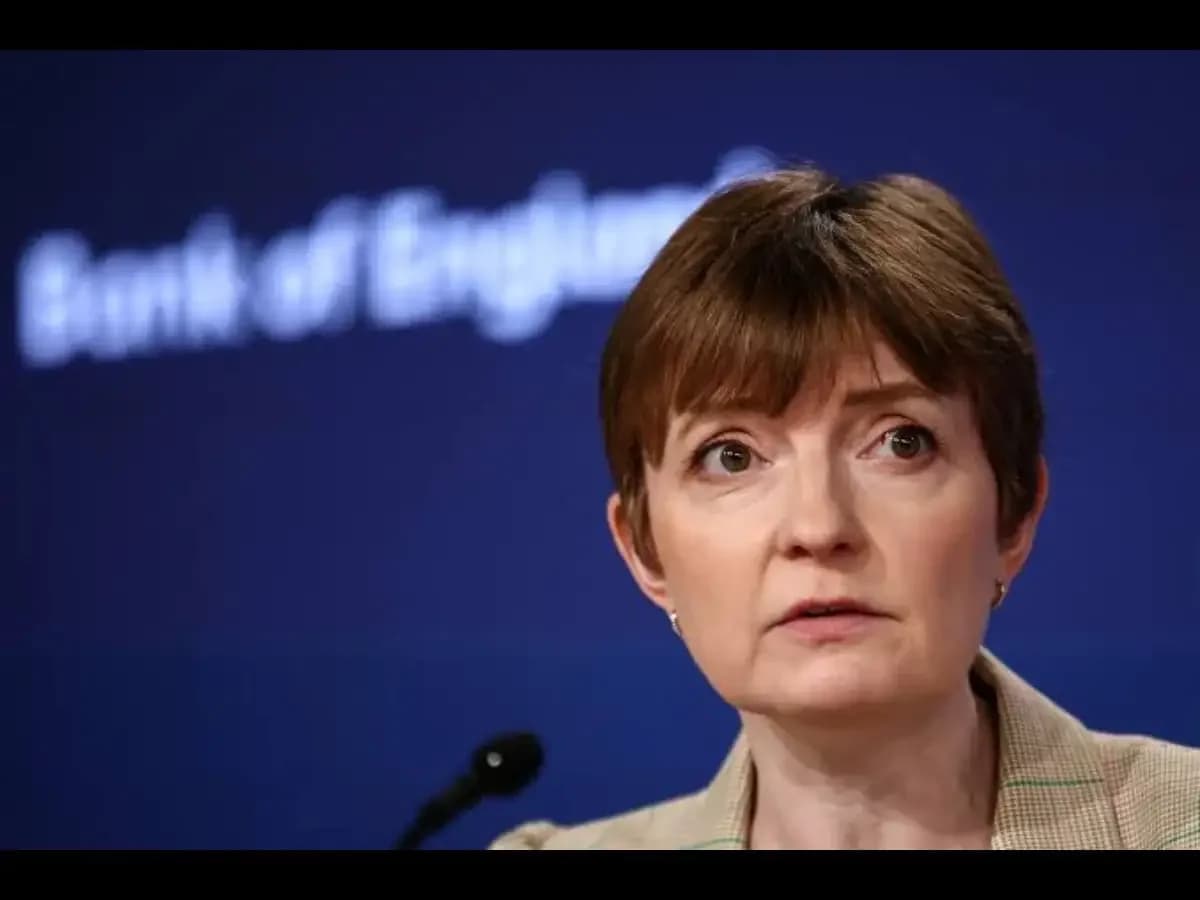
Bank of England policymakers are signalling greater openness to a rate hike as elevated energy prices threaten to keep inflation above target, with markets increasingly pricing in a possible November increase. Two senior BoE interest rate-setters indicated on Thursday that they were moving closer to supporting an increase in borrowing costs, as persistently elevated energy prices heightened concerns that inflation could remain above target for longer. Deputy Governors Clare Lombardelli and Sarah Breeden, who both backed keeping the BoE's benchmark interest rate at 3.75% last week, said they were reassessing their positions as the energy shock continued to feed through the economy. Lombardelli warned that a prolonged period of higher energy prices could increase the risk of second-round effects on inflation, while Breeden delivered similar warnings at the London Macro Policy Forum, saying the central bank would closely monitor the scale of the energy shock and how extensively it was spreading into the wider economy.
The BoE expects Britain's inflation rate to rise above 4% early next year, more than twice its 2% target. As reported by Reuters, Lombardelli explained that prolonged increases in energy costs could create broader inflationary pressures by influencing inflation expectations, wage negotiations and the way businesses set prices. She emphasized that the longer energy prices remain high, the greater the risk that these indirect effects become embedded in the economy, making it harder for inflation to return to target. The BoE official stressed that monetary policy should not respond mechanically to changes in energy prices, but warned there is material uncertainty about the size and duration of the energy shock. Lombardelli highlighted that the key question is whether second-round effects – where high inflation pushes up wages, fuelling inflation – are developing, noting that there is material uncertainty about the size and duration of the energy shock.
According to Reuters, Lombardelli stated that the central bank needs to assess whether higher energy costs are beginning to feed into inflation expectations, wage bargaining and corporate pricing behaviour. She noted that if those second-round effects become more pronounced while there is no clear evidence of weakening economic activity or disinflation, monetary policy may increasingly need to become tighter. Financial markets are increasingly pricing in a higher probability of a BoE rate increase at its next meeting in November, with investors assigning roughly a 75% chance of a 25-basis-point increase, while another hike was fully priced in by February. Governor Andrew Bailey has previously said that the BoE's decision to hold off on expected rate cuts earlier this year had already contributed to tighter financial conditions, while warning that the longer the energy disruption continued, the more difficult the inflation outlook would become.
Swati Dhingra, another member of the Monetary Policy Committee, struck a less urgent tone on Thursday. Dhingra said the longer-term impact of the energy shock on British inflation would become clearer over the coming winter months, noting that Britain was not currently experiencing the broad-based inflation pressures seen in 2022, when energy prices surged following Russia's invasion of Ukraine. The weaker labour market compared with that period could also limit the extent to which higher energy costs feed into wages and broader price-setting behaviour. The path of energy prices and developments around the Strait of Hormuz are likely to remain central to the BoE's assessment of monetary policy, with analysts at Investec suggesting the central bank could move toward a 25-basis-point increase in November unless there was meaningful progress that allowed energy flows through the Strait of Hormuz to resume substantially.