
New Zealand's unemployment rate has reached 5.6% in the June 2026 quarter, marking a significant increase from 5.4% in March and representing the highest level since March 2014, according to Stats NZ figures released Wednesday. An estimated 1,66,500 people were unemployed during the quarter, with labour market spokesperson Abby Johnston noting that around 8,000 more people were in long-term unemployment compared to a year earlier. The broader underutilisation rate, which captures underemployment, rose to 13.8% from 12.9% in the previous period, as reported by NZ Herald Business Editor Liam Dann. NZ Herald reports that Finance Minister Nicola Willis has acknowledged the figures as concerning, with the government facing pressure to address the rising unemployment trend.
The unemployment data has had immediate market implications, with the New Zealand dollar slipping 0.2% following the release of the unemployment figures, as reported by Reuters. This currency weakness reflects investor concerns about the economic impact of the record unemployment levels. However, global markets showed mixed reactions with Brent crude easing 0.4% to $79.02 a barrel, a significant pullback from its July top of $102, while U.S. crude dropped 0.5% to $75.35. The oil price retreat provided some relief from inflation fears and boosted bonds globally, with 10-year Treasury yields now at 4.6187%, down from last week's high of 4.747%. Markets also sharply pared the probability of a September rate hike from the Federal Reserve to 57% from 67%.
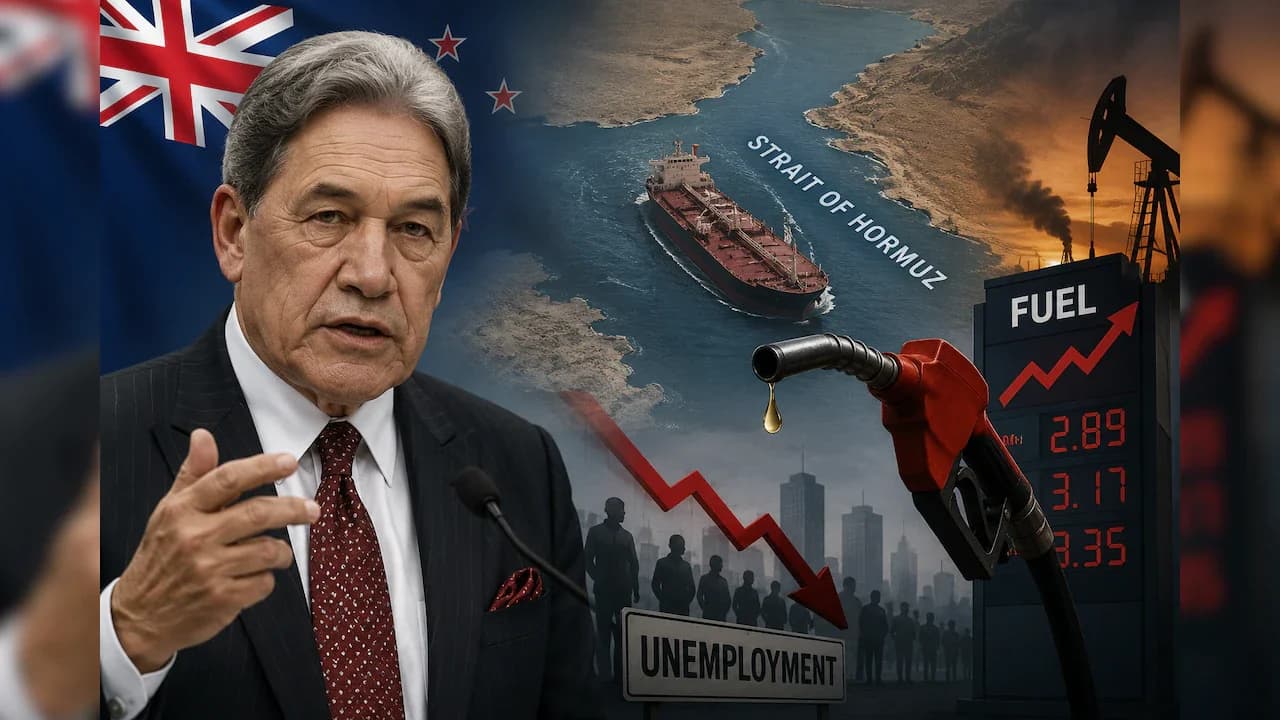
Deputy Prime Minister and NZ First leader Winston Peters has directly attributed the unemployment rise to the ongoing Strait of Hormuz conflict, as reported by X. Peters stated that the conflict has resulted in a massive increase in fuel costs, which directly affects business costs and ultimately leads to job losses. He emphasized that the government had warned at the start of the conflict that it would severely impact both inflation and unemployment rates. The minister's comments come as New Zealand faces economic challenges from rising fuel prices stemming from the Middle Eastern crisis.
Peters used the unemployment data to strengthen his case for New Zealand's energy independence, arguing that the figures demonstrate the need for the country to develop its own oil and gas reserves. According to reports from X, he stated that this is more evidence of the need for New Zealand to find and own its own oil and gas that it holds in its deep-sea basins. The comments reference NZ First's proposed $1 billion National Subsurface Development Survey, which was announced at the party's election campaign launch.
