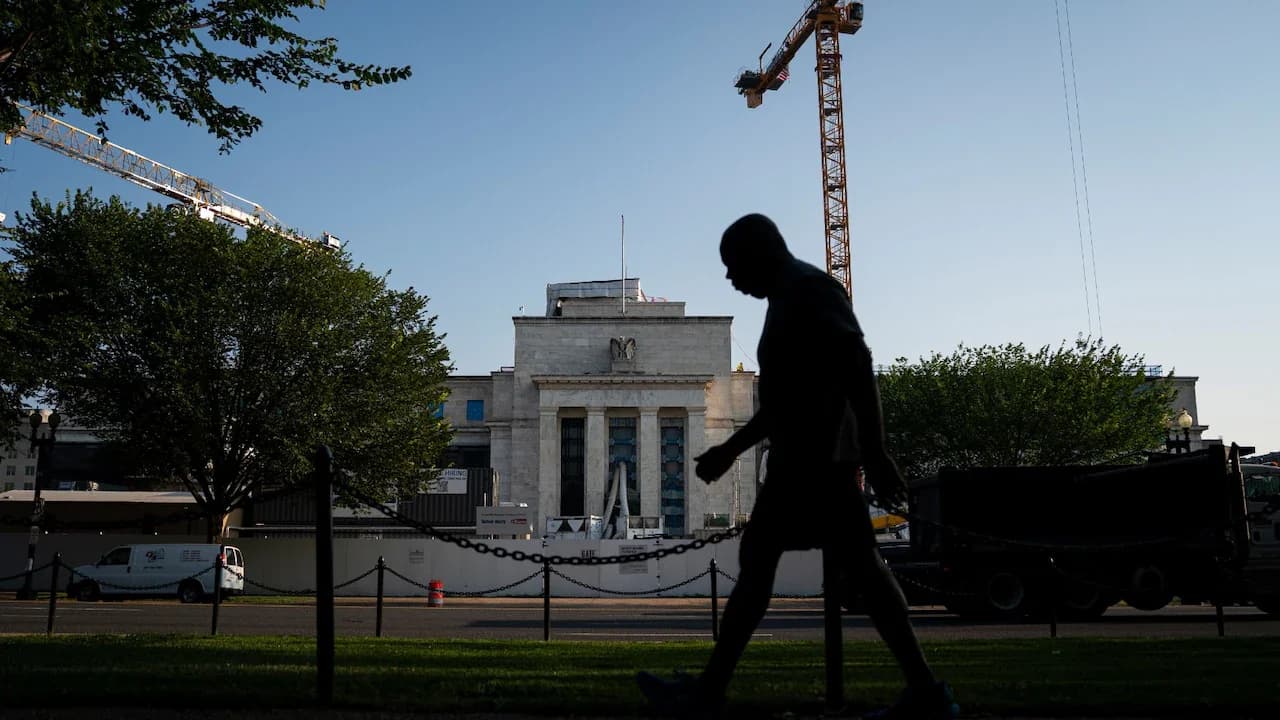
Cleveland Fed President Beth Hammack has joined Dallas Fed President Lorie Logan in calling for higher interest rates, marking a significant shift in Federal Reserve policy sentiment. As reported by The Economic Times, Hammack stated that 'Persistently high inflation is the bigger concern' and warned that 'For the first time in my tenure, I'm hearing from businesses who say they think we need to take action to curb inflation, and from consumers who can't make ends meet about a growing sense of despair.' Her remarks signal growing divisions within the Federal Reserve ahead of the July 28-29 policy meeting, with Hammack noting that 'Inflation is too high' and calling the current inflation 'broad-based' - coming from more than one source according to her conversations with business and community leaders.
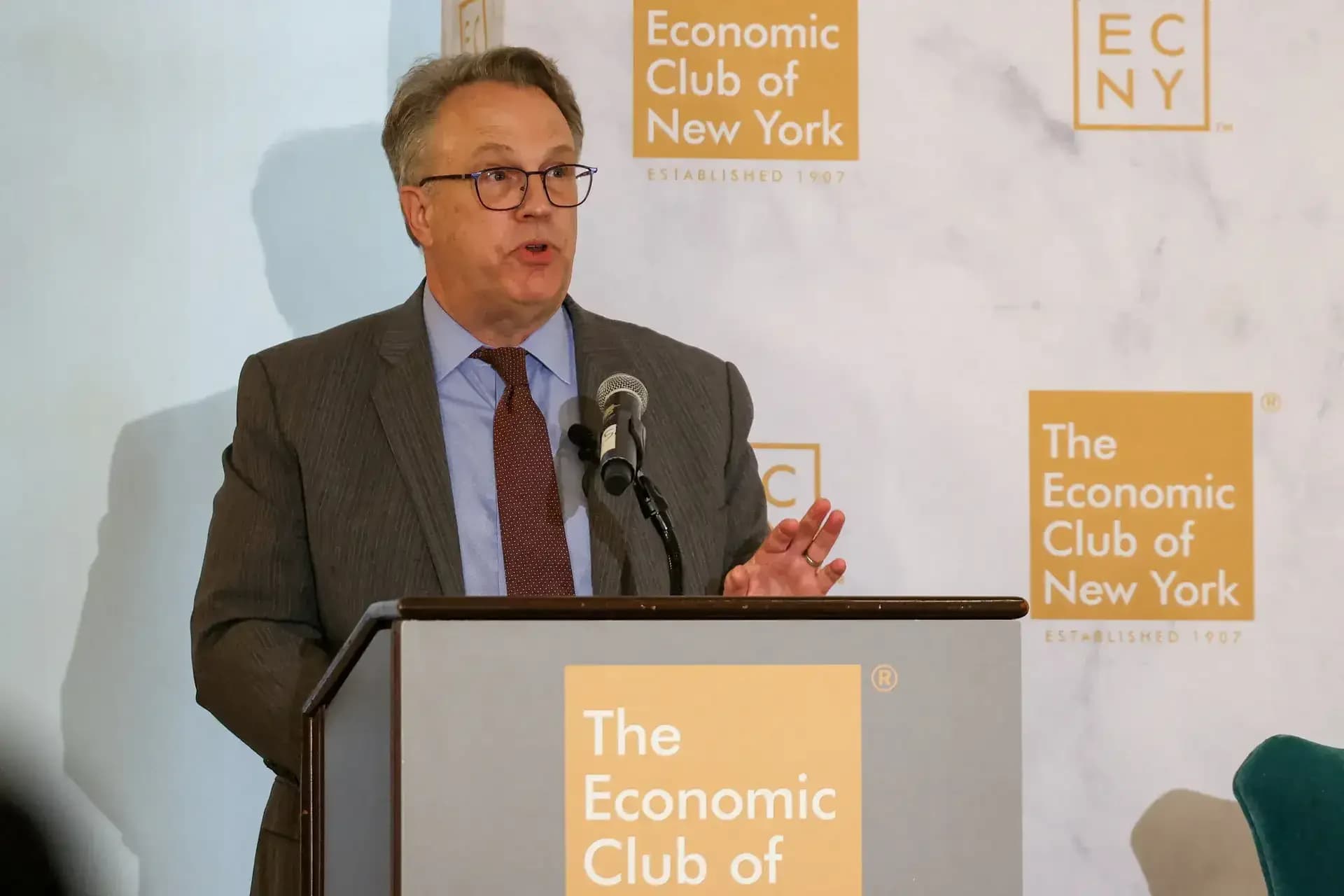
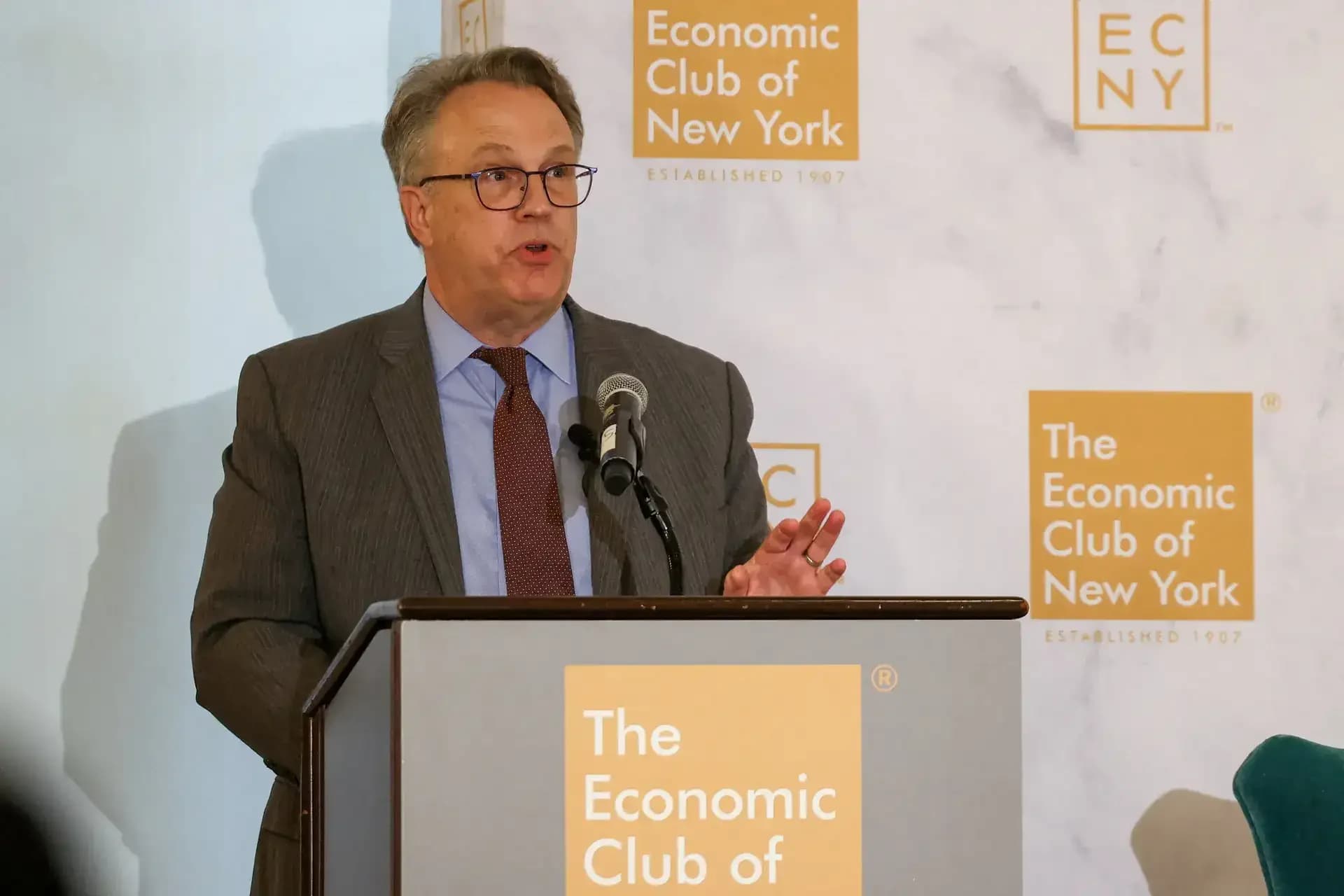
New York Fed President John Williams acknowledged that artificial intelligence investments are creating 'a race between available supply and surging demand' in his latest remarks, as reported by Bloomberg. Despite this upward pressure on inflation, Williams expressed confidence that 'these investments will support strong productivity growth in coming years.' He emphasized that 'the current stance of monetary policy is well positioned' to address the inflation challenge, while noting that 'there are encouraging reasons to expect that inflation has peaked and should edge down in coming quarters.' Logan echoed similar concerns about rising risks from AI investment, tariffs and geopolitical tensions, specifically warning that 'AI and other new technologies may eventually generate productivity gains that will boost supply and thus push down on prices, but the potential size and timing of those gains are uncertain.'
Williams outlined his inflation outlook while acknowledging the complex dynamics of AI-driven demand. According to Bloomberg, he expects tariff-related price increases have largely played out, shelter inflation should remain on a downward trajectory, oil prices have likely peaked, and supply-demand imbalances from AI build-out should recede over time. The Fed president projects overall inflation will decline to around 3.25% by year-end, then continue on a glide path toward the 2% target in 2027 and land on target in 2028. Logan noted that 'consumer price inflation did moderate a bit in June, but suggests only a '
Williams expressed optimism about employment trends while providing updated economic growth projections. As reported by Bloomberg, he expects the unemployment rate to edge down 'very gradually' to 4% by 2028 from the current 4.2%, with the labor market showing 'signs of resilience and stability.' Williams estimated the economy will expand 2% to 2.25% this year, reflecting his view that the job market is not currently adding to inflation pressures. Cook noted a 'notable shift in the balance of risks relative to a year or so ago, with inflation risks now outweighing employment risks.' She compared the current situation with the outlook a year ago when there were risks around the job market and inflation slowing, emphasizing that 'growth in the economy is solid and on trend, and the labor market is likewise solid and stable.'
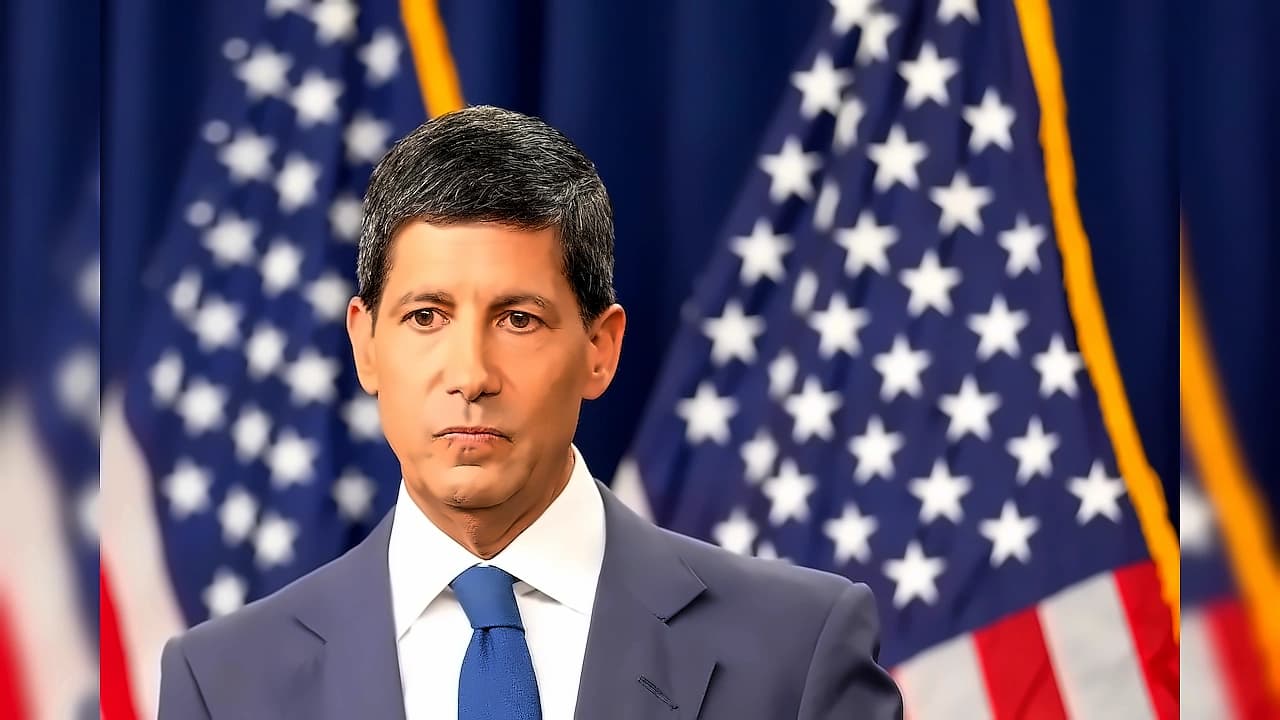
The remarks from Logan, Hammack, and other Fed officials come after the Federal Reserve maintained policy rates at 3.50% to 3.75% at last month's meeting, the first convened by new Chairman Kevin Warsh, as reported by Bloomberg. Policymakers on the Federal Open Market Committee left their benchmark interest rate unchanged at their meeting last month for a fourth consecutive time, but their fresh economic projections showed about half of officials see at least one rate hike this year. Despite Williams' optimism about inflation cooling, markets still expect the Fed to hike as soon as September, and by a narrow margin, Williams' colleagues on the Federal Open Market Committee in June also penciled in one quarter-percentage-point increase by the end of the year. The outlook for rates became cloudier this week after the U.S. government released two generally benign inflation reports. Logan's dissenting stance, if maintained, could signal a 'family fight' when policymakers convene in Washington on July 28-29.
The latest developments come after the Bureau of Labor Statistics reported that consumer prices posted an unexpectedly sharp 0.4% drop in June, taking the annual inflation rate down to 3.5%. As reported by Bloomberg, this was the largest one-month price decline since April 2020, but still left the Fed well short of its inflation target. Fed Chairman Kevin Warsh told the House Financial Services on Tuesday that the price drop did not represent a 'mission accomplished' moment, stating 'That is not my view.' Cook said that recent figures, along with others released this week, still imply inflation is nearly 2 percentage points above the Fed's target according to the central bank's preferred gauge. The surprising June inflation decline has prompted investors to bet that officials will hold interest rates steady when they meet in July. Logan noted that 'It is more a hope than a likelihood' that inflation will return to target, stating 'It is time to finish the job of restoring price stability.'