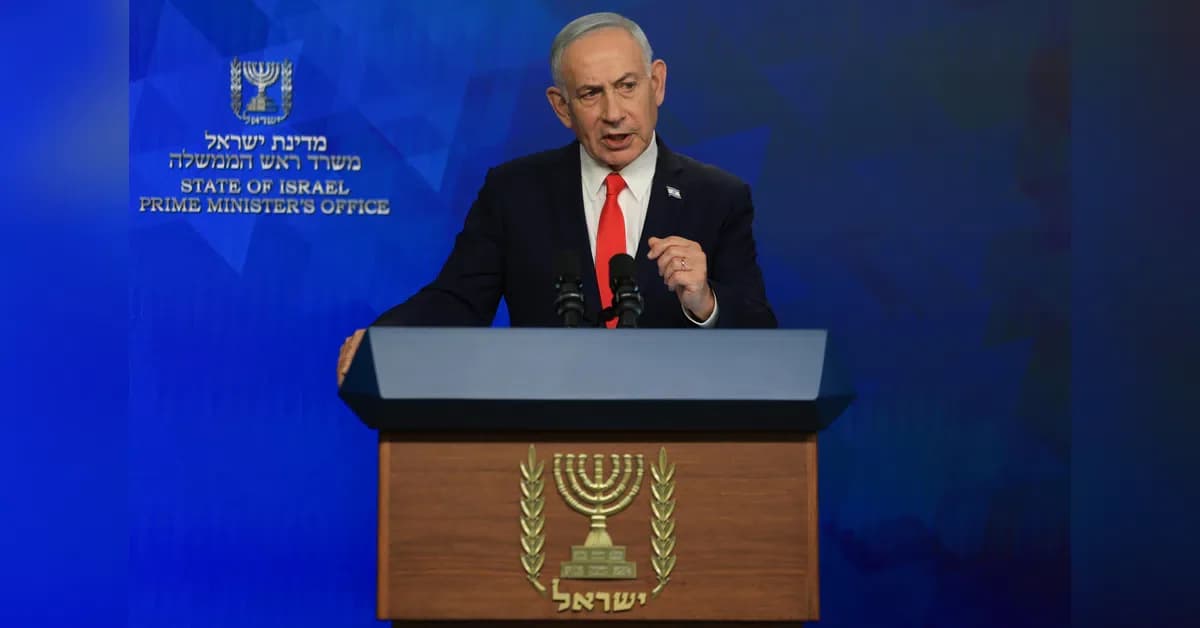
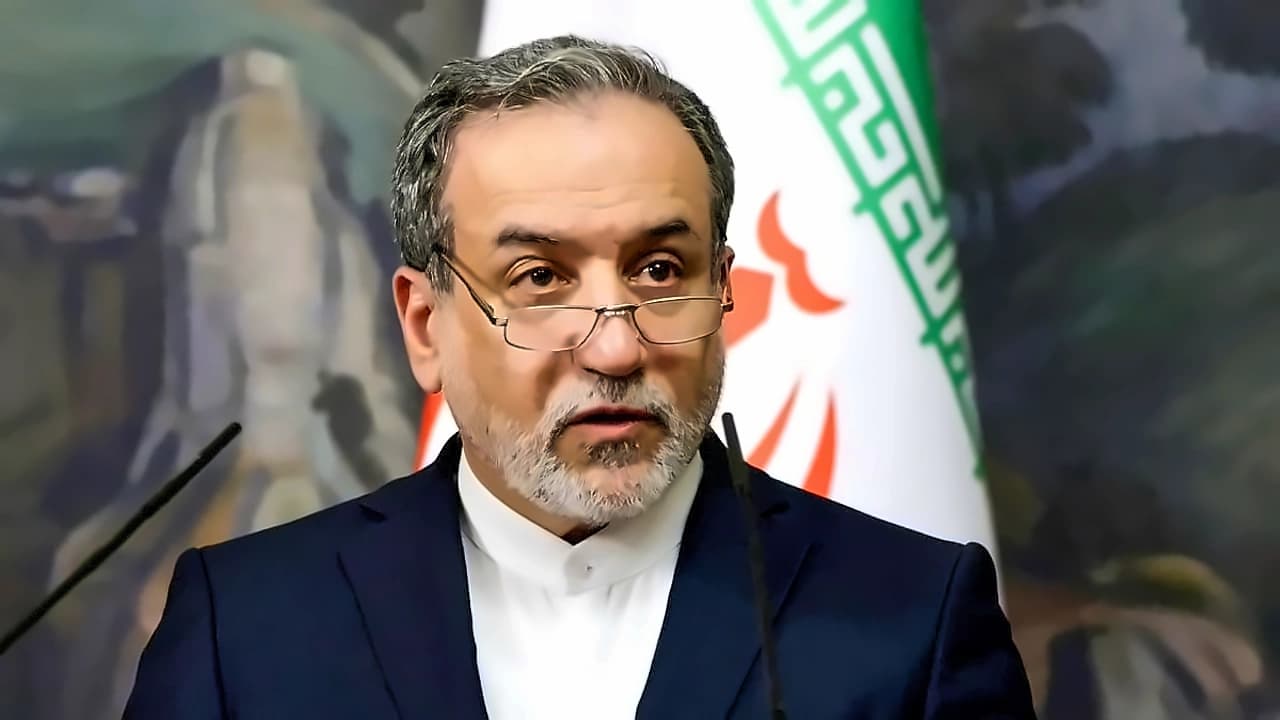
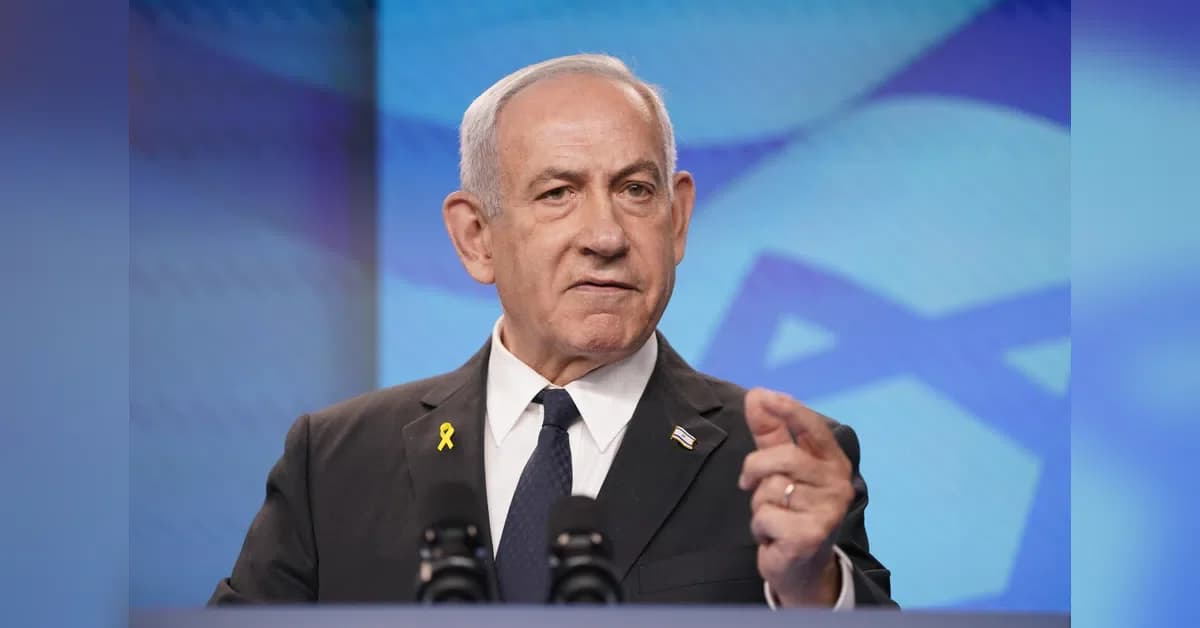
Israeli opposition leader Yair Lapid has intensified his criticism of Prime Minister Benjamin Netanyahu, warning that Israel risks severe diplomatic fallout amid escalating tensions with key allies. According to reports from X, Lapid cited a series of recent diplomatic disputes involving members of Netanyahu's government and foreign leaders, arguing that Israel's international standing is deteriorating. "If we don't quickly replace this government, Israel's foreign relations will be wiped out," Lapid stated, highlighting mounting concerns about Israel's ability to maintain strategic alliances with its traditional partners. His remarks came amid growing debate in Israel over the government's handling of relations with Washington and European partners following the signing of a US-Iran memorandum of understanding aimed at ending the regional conflict.
Lapid pointed to several specific incidents that have strained Israel's relations with major allies. As reported by X, the U.S. Vice President expressed anger at a press conference over actions by Smotrich and Ben Gvir, while Foreign Minister Sa'ar cut ties with the European Union's foreign minister. Additionally, President Trump stated that Netanyahu is showing irresponsibility in Lebanon. The diplomatic tensions have reached new heights with French President Emmanuel Macron calling on Netanyahu to "show responsibility and rationality," rejecting Israeli policies in Gaza, the occupied West Bank and southern Lebanon. French Foreign Minister Jean-Noel Barrot urged Israel to respect the US-Iran agreement and warned that without implementation, the region risks prolonged instability. France on Friday urged Israel to "respect" a deal signed between the United States and Iran to end the Middle East war, with Barrot saying the Israeli government must respect it and the US must exert necessary pressure to ensure compliance.
The latest diplomatic tensions come as Israeli strikes in southern Lebanon have killed at least 18 people, with Israeli military claiming to have struck more than 80 Hezbollah targets and killed dozens of its members. According to NNA, the attacks hit inhabited homes in Al-Sharqiyah, Harouf, and Kfar Sir in the Nabatieh district, with residents leaving the two districts in significant numbers as Israeli attacks continue. Israeli Defence Minister Israel Katz stated that "Israel will remain in the security zone in southern Lebanon for as long as necessary for the protection of the communities of the north," promising to make Hezbollah pay a "very heavy price" for attacks on Israeli soldiers. The escalation has prompted Far-right National Security Minister Itamar Ben Gvir to declare "all of Lebanon must burn" after Israel's military announced the deaths of four soldiers there. "For every tear of an Israeli mother, a thousand Lebanese mothers must weep," Ben Gvir wrote on X, adding that "In the Middle East, you don't win with measured responses and restraint-you need to go berserk" to "crush the terror."
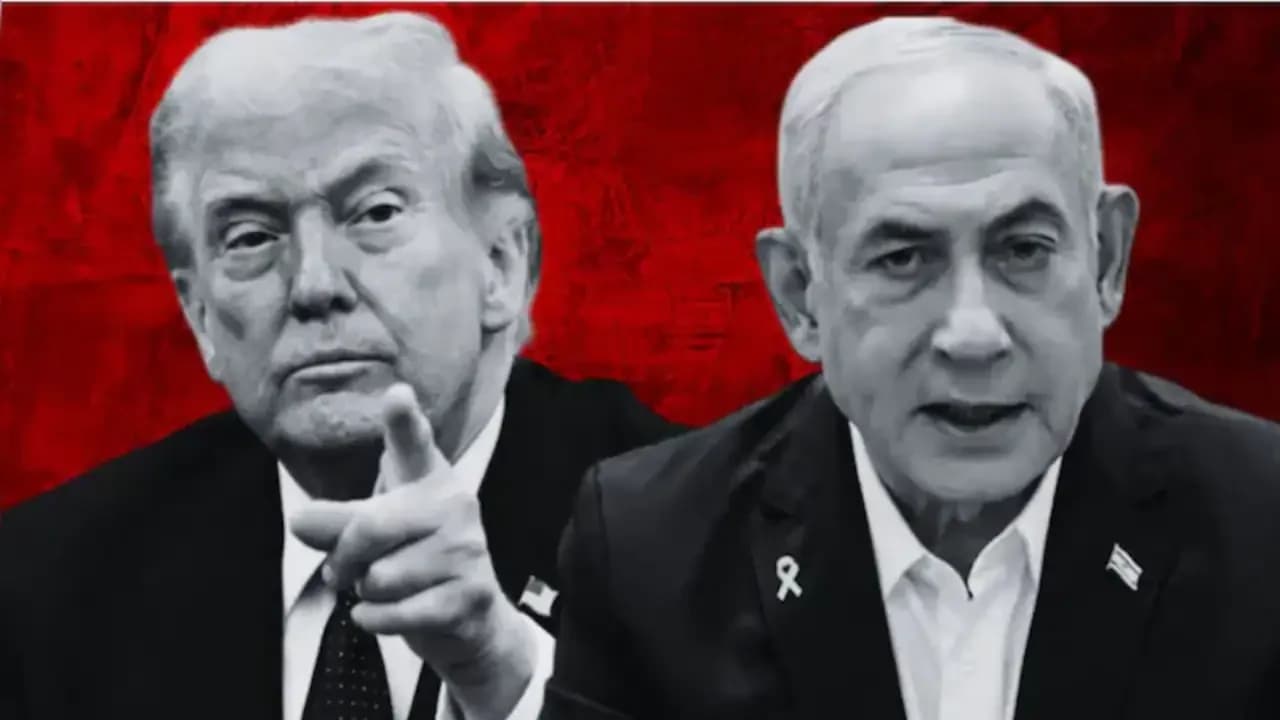
The diplomatic crisis has intensified with US Vice President JD Vance pulling out of planned talks with Iranian negotiators in Switzerland, as reported by Al Jazeera. The "Islamabad Memorandum of Understanding" between the US and Iran, aimed at ending the regional conflict, remains unresolved with logistical details for technical talks still unresolved. Conservatives in Iran have expressed deep skepticism about the deal, with some questioning whether Tehran is giving up key leverage sources before securing compensation and sanctions relief. On Wednesday evening, US President Donald Trump and Iranian President Masoud Pezeshkian electronically signed the "Islamabad Memorandum of Understanding," which is intended to pave the way for ending the war launched by Washington and Tel Aviv against Iran on February 28. However, the "discussion at Bürgenstock will not take place as planned today," the ministry announced, with the meeting cancelled as logistical details remain unresolved. Iran's Strait of Hormuz body announced it would waive planned fees during a 60-day negotiation period under the memorandum of understanding, with 25 commercial vessels crossing the newly reopened Strait of Hormuz on Thursday - the highest number since mid-April.
Multiple international actors have condemned the escalating violence and called for de-escalation. China's permanent representative to the UN, Fu Cong, called on Israel to stop violating the US-brokered ceasefire in place since last October in Gaza, speaking at an emergency UN Security Council session. China views Israel's continual expansion of military occupation in Gaza with grave concern and calls on all parties to fully comply with the ceasefire agreement. French President Emmanuel Macron on Thursday called on Israeli Prime Minister Benjamin Netanyahu to "show responsibility and rationality," saying he disagrees with Israeli policies in Gaza, the occupied West Bank and southern Lebanon. Macron condemned what he described as "new settlements and acts that are absolutely unacceptable in the West Bank," noting these policies are "feeding resentment and violence among all the populations of the region." Lebanese Hezbollah lawmaker Hassan Fadlallah told Reuters that Iran had informed the group that talks with the US could not continue without the implementation of a comprehensive ceasefire. He called on the Lebanese government to reject any direct negotiations with Israel while Israeli attacks on Lebanon continue, and said Washington bore responsibility for ensuring Israel halted its attacks and implemented the terms of the agreement.