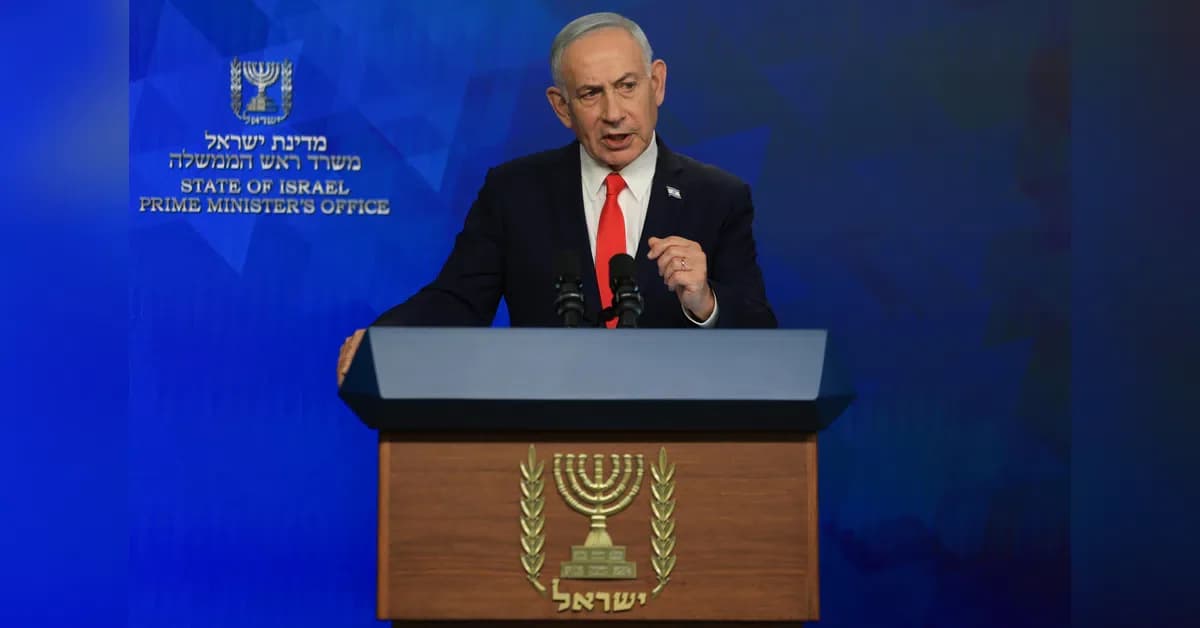
Israeli Prime Minister Benjamin Netanyahu has called for Israel to reduce reliance on US military aid and break free from dependency, arguing that the country's long-term security hinges on self-reliance. Speaking during a meeting with reserve combat officers in the West Bank's Gush Etzion on Thursday, Netanyahu said Israel must develop the capability to manufacture its own armaments even as it continues to receive support from Washington. According to reports from The Times of Israel, Netanyahu stated that 'We need our own independent weapons-production system. We must manufacture our own armaments' while acknowledging the support received from American allies. The Israeli leader emphasized his appreciation for American support, saying 'I deeply appreciate the support we have received from our American friends, but we need to break free from dependency' before making his independence call.
Netanyahu linked Israel's future security directly to its ability to strengthen defence capabilities without relying heavily on external support. As reported by The Times of Israel, he said 'We are now facing Iran and its allies. We have prepared for them. It is not over yet, but it depends on our strength. Where we will be in 30 years depends on our strength'. The Israeli leader emphasized that 'That is why what we are doing now is building even greater strength' and called for Israel to 'free ourselves from dependence, continue building more and more strength, incorporate more and more technology, and train more and more generations of commanders'. These comments come as tensions with Iran continue despite ongoing US-Tehran engagement, highlighting the strategic importance of domestic defence capabilities. The remarks come as Israel remains in active military operations across multiple fronts, including in Lebanon and Gaza, while managing the aftermath of the US-Iran MoU.
The remarks come amid growing unease in Jerusalem over Washington's efforts to advance a diplomatic framework with Tehran, a move Israel has largely opposed. According to The Times of Israel, US Vice President JD Vance recently highlighted that 'two-thirds of the defensive weapons that have protected [Israel]' in recent months were produced and funded by the United States. Under an agreement signed in 2016 and in force since 2019, Israel receives financial assistance for the purchase of around $3.8 billion of weapons annually, accounting for around 15 percent of the defence budget. The current deal runs until 2028, but Netanyahu has previously advocated for phasing out US military aid over the next decade, as reported by The Times of Israel. The latest comments come a day after the US and Iran agreed an initial deal to end the Middle East war, which has been fiercely opposed in Israel.
Since its founding in 1948, Israel has received more than $300 billion, adjusted for inflation, in US economic and military assistance, according to figures from the Council on Foreign Relations, far more than any other country has received since 1946. The current military aid framework represents a significant portion of Israel's defence spending, with the $3.8 billion annual allocation accounting for around 15 percent of the defence budget. Netanyahu has consistently advocated for reducing this dependency, telling The Economist in January that he hoped to end Israel's reliance on US support within a decade, and telling US broadcaster CBS in May that he wanted support to reach 'zero'. Washington remains Israel's closest ally, but the two have clashed over the conduct of Israel's wars since the Hamas attack of October 7, 2023.
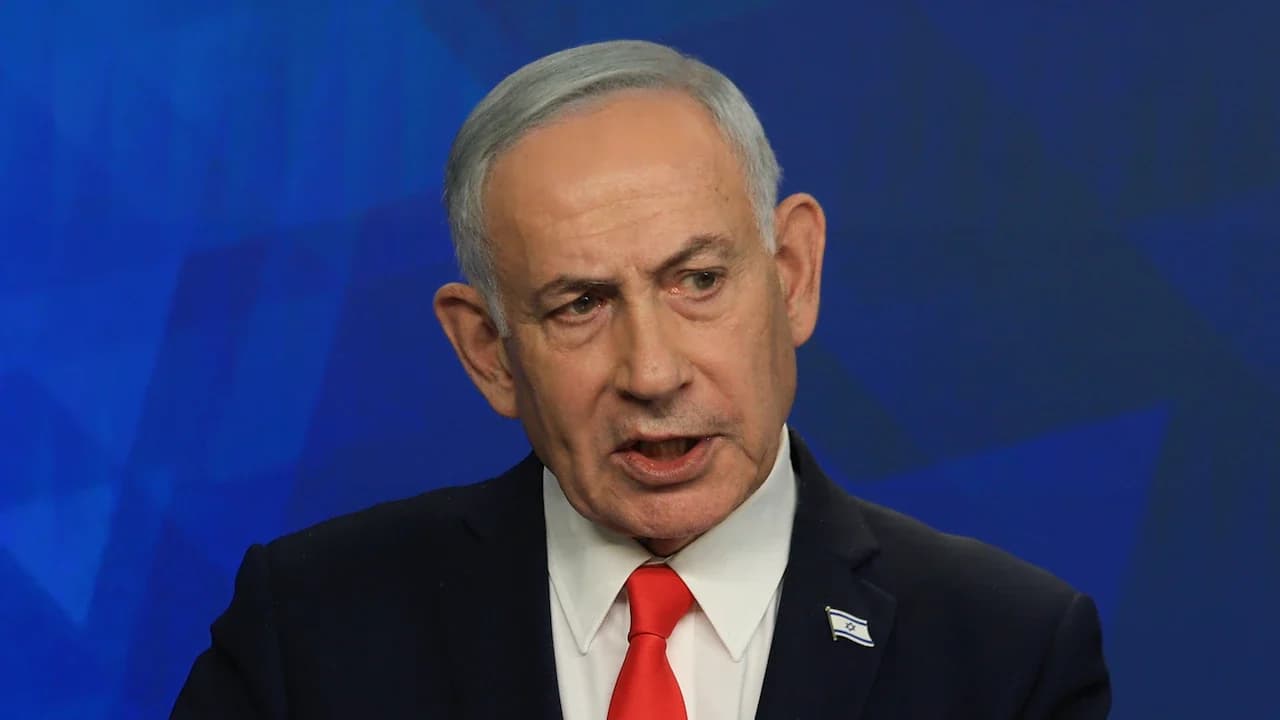
Netanyahu's calls for strategic independence underscore a broader debate within Israel over balancing strategic ties with Washington while strengthening domestic defence production capabilities amid persistent regional security threats. The comments come at a particularly sensitive juncture as US-Iran engagement gathers pace and concerns mount in Israel over potential constraints on its military freedom of action. The remarks emphasize that 'We need our own independent weapons-production system' and highlight the need for Israel to 'free ourselves from dependence' while continuing to build greater strength and technological capabilities. This approach reflects Israel's long-term strategic vision of achieving true self-reliance in military capabilities, particularly as the country navigates complex regional dynamics and evolving US-Iran relations.