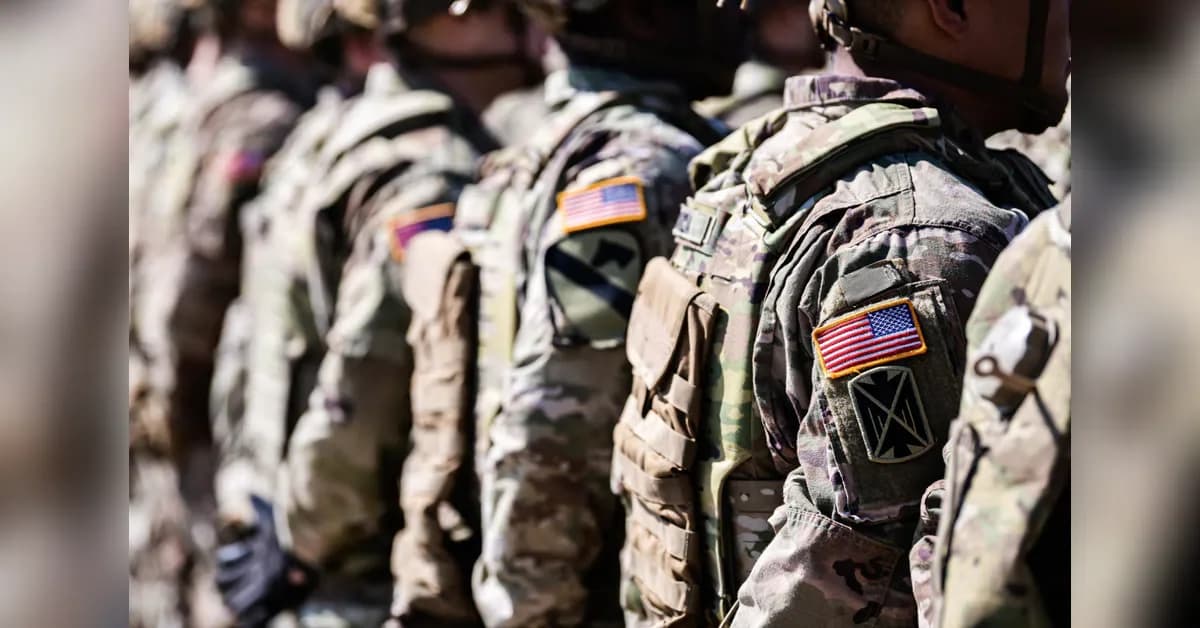
The Pentagon has officially confirmed it is weighing plans to withdraw 25,000 to 40,000 American troops from Europe, representing the most significant scaling back of the 80,000-strong US presence since the 1990s, according to reports from NBC News. The confirmation came on Thursday, with the Pentagon stating it is studying a plan to withdraw planes, ships, weapons and tens of thousands of American soldiers from Europe. The withdrawal would affect approximately one-third of all American troops currently stationed in Europe, with some officials suggesting the reduction could reach up to 40,000 soldiers, representing nearly half of the current force. No final decision has been made on the withdrawal, with the Pentagon considering options that could cut American military presence on the continent by up to half. The reduction would not be limited to personnel but would also include the withdrawal of some American aircraft, ships, and other military equipment.
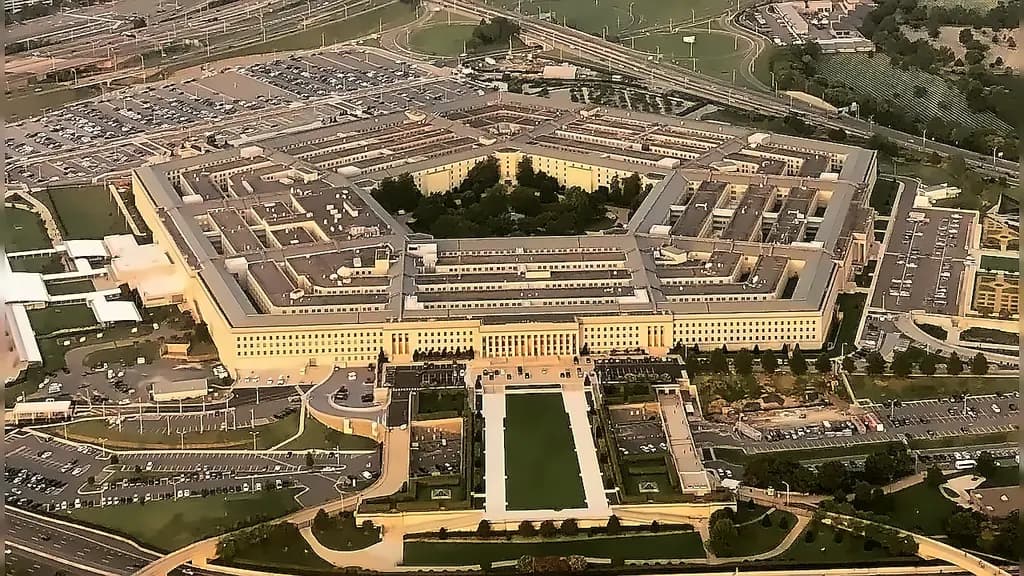
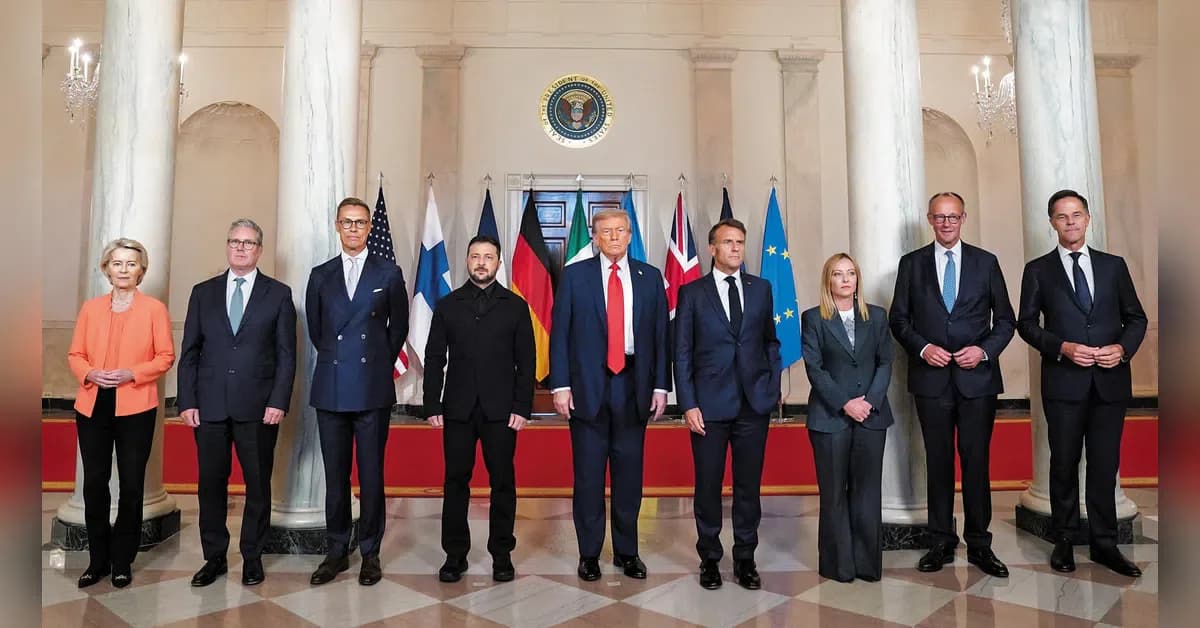
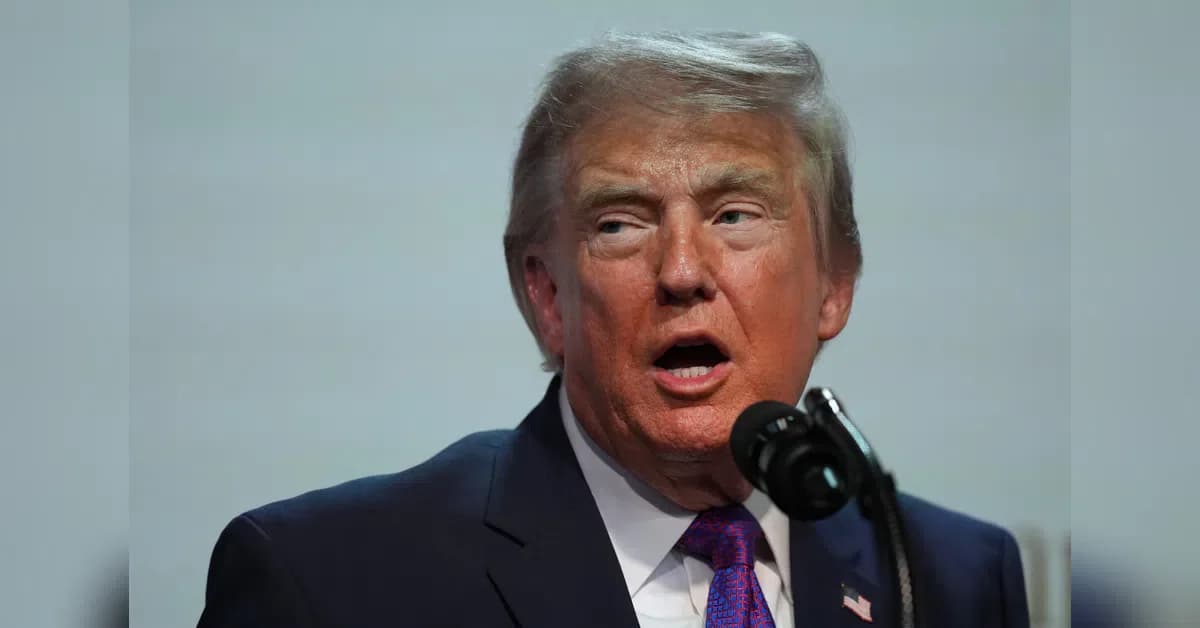
The potential withdrawal is part of Washington's broader strategy to press European allies to take greater responsibility for the continent's defense, as reported by NBC News. However, the plans face significant opposition from NATO allies who warn that a large-scale withdrawal could weaken the deterrent potential against Russian aggression. European governments and some U.S. lawmakers have warned that a rapid drawdown could weaken NATO's ability to deter Russia. A congressional Republican cited by NBC described a 25,000-troop reduction as "not acceptable," arguing that Russian deterrence could not be maintained cheaply. The administration is weighing pulling troops from the continent despite allied concerns about the growing threat from Russia, with critics accusing the Trump administration of aligning with Russian leader Vladimir Putin.
The proposed reduction would represent a substantial change to the current US military presence in Europe, according to the NBC News report. Germany currently hosts about 36,000 U.S. troops, Italy about 12,000, while Spain hosts major U.S. air and naval facilities. The largest cuts to American personnel could affect Germany, Italy, and Spain, with the withdrawal of 25,000 soldiers meaning that nearly one-third of American forces would depart from Europe. The options are part of a six-month Pentagon review of U.S. force levels in Europe, with Gen. Alexus Grynkewich, head of U.S. European Command and NATO's supreme allied commander, expected to provide an initial assessment to Defense Secretary Pete Hegseth on Friday. The review is expected to present several options involving aviation, naval and ground forces, including the possible repositioning of some U.S. troops toward NATO's eastern flank.
The Pentagon review has created uncertainty across European allies, though Poland has provided some reassurance about its military presence. The head of the Polish National Security Bureau (BBN), Bartosz Grodecki, addressed the matter in an interview on the "Graffiti" programme, stating that any potential reduction would not affect Poland. The Pentagon review itself is expected to conclude in late September or early October, with a statement from US Secretary of Defence Pete Hegseth regarding final decisions expected in November this year. European officials have urged Washington to make any reductions gradually so countries have time to develop capabilities such as long-range missiles, satellite surveillance and aerial refueling. The review has also created tensions between the Pentagon and State Department, with NBC reporting that Secretary of State Marco Rubio reportedly intervened in June after the Pentagon prepared to brief NATO defense ministers on major force reductions. The report comes as senators have separately called on Rubio to ensure the State Department and US diplomats are fully involved in the force posture review.