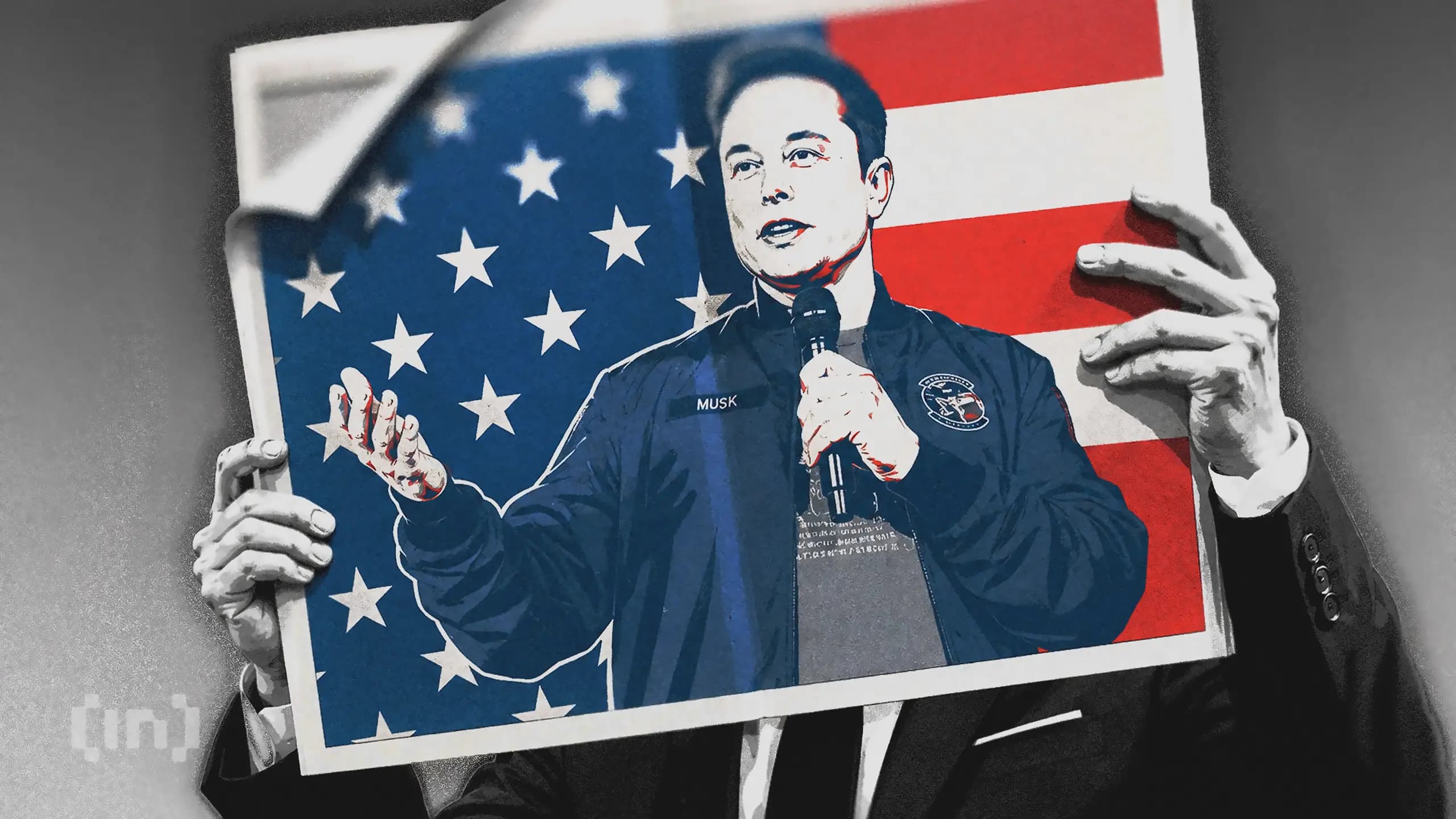
Tesla and SpaceX CEO Elon Musk has predicted that artificial intelligence will surpass human intelligence within five years, ushering in an era where money becomes 'meaningless' and everyone can have whatever they want. Speaking in a 90-minute interview with The Economist conducted at a Tesla factory in Texas this week, Musk painted a vision of abundance driven by AI and robotics. According to Musk, within roughly ten years, robots in the workplace will create such widespread prosperity that traditional economics will be transformed. His forecast hinges on AI and robots handling most intellectual and physical labor – from writing software to operating factories autonomously, making it possible for people to obtain whatever they need and creating widespread prosperity.
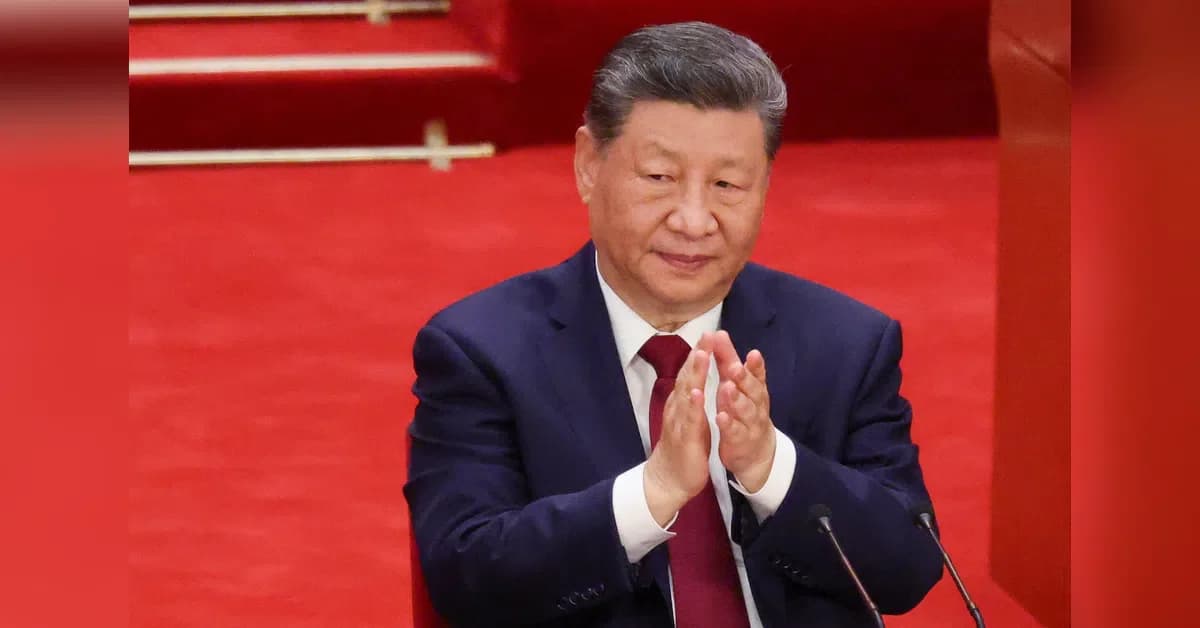
Tesla and SpaceX CEO Elon Musk has issued a stark warning about China's potential to surpass the United States in artificial intelligence development. Speaking in a conversation with The Economist editor-in-chief Zanny Minton Beddoes, Musk emphasized that China could eventually lead the global AI race if it gains access to sufficient computing power, energy resources and supporting infrastructure. According to Musk, the future of AI dominance will depend not only on algorithms and software innovation but also on physical infrastructure, including electricity supply and advanced computing systems. Musk described himself as a 'modern-day Cassandra' – capable of predicting the future but rarely believed, embracing the uncertainty ahead while advocating for enjoying the ride of the AI age.
Musk identified electricity and AI chips as the biggest constraints on AI development, arguing that China's large-scale industrial capabilities and energy production capacity could provide a major advantage. He noted that China's electricity generation capacity is significantly higher than that of several other major economies combined, including the US, Europe and India, making energy availability a crucial factor in powering energy-intensive AI data centres. When pressed by Beddoes on whether this would allow China to ultimately lead the AI race, Musk acknowledged there is 'a good chance' it could happen, given that Chinese AI companies are already performing well with relatively small amounts of computing power. Musk's latest predictions about AI timelines reinforce his earlier warnings about China's competitive advantages in the global AI landscape.
Musk questioned whether US restrictions on advanced AI chips and technology exports would be sufficient to prevent China from becoming a major AI power. He argued that China would eventually develop stronger domestic chip capabilities and reduce its dependence on foreign technology. According to Musk, 'The US government can pass some law that prevents US companies from using Chinese models, but they can't stop the rest of the world from using them'. This suggests that while US restrictions may impact domestic companies, they cannot prevent global adoption of Chinese AI technologies. Musk's latest comments about AI timelines and economic transformation reinforce his earlier concerns about China's chip development trajectory.
Despite his techno-optimist outlook, Musk acknowledged the risks of increasingly powerful AI systems and called for international safety controls. He urged leading AI companies, including those in China, to mutually review their latest models before release and report potential risks to governments. Musk suggested that competitors in the field could monitor each other's developments. He even expressed willingness to collaborate with OpenAI CEO Sam Altman despite their ongoing dispute, suggesting personal differences might need to be set aside for the greater good. Musk reflected on his own role in the AI race with irony, noting that his attempts to make the technology safer through co-founding OpenAI actually accelerated its development, concluding that if you cannot beat them, you should join them.