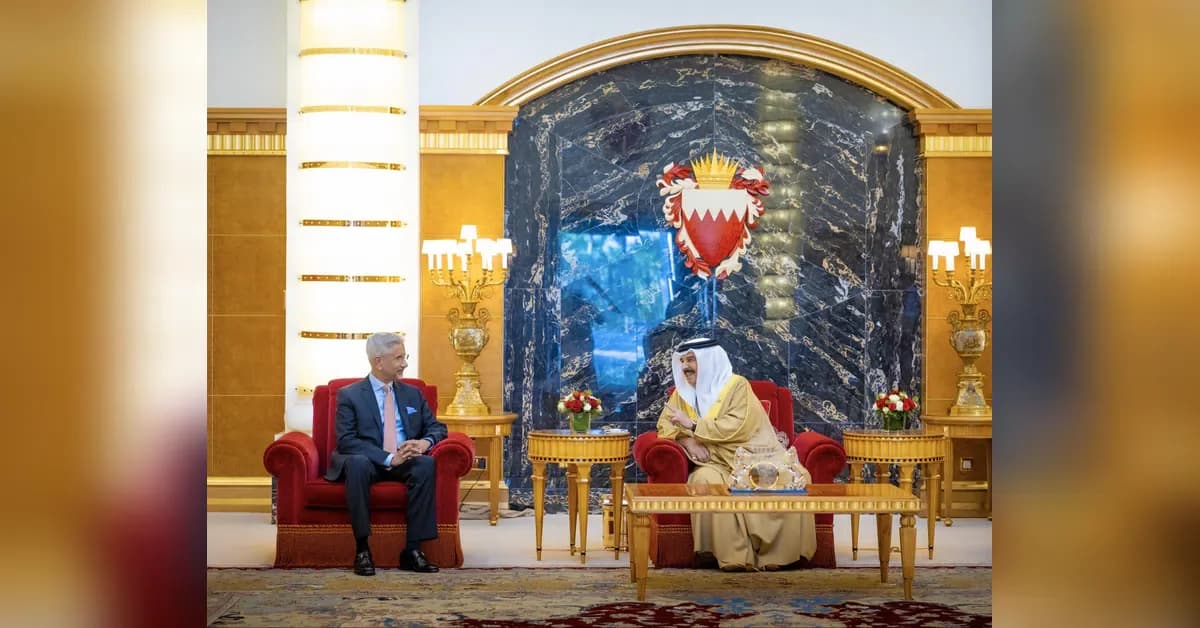
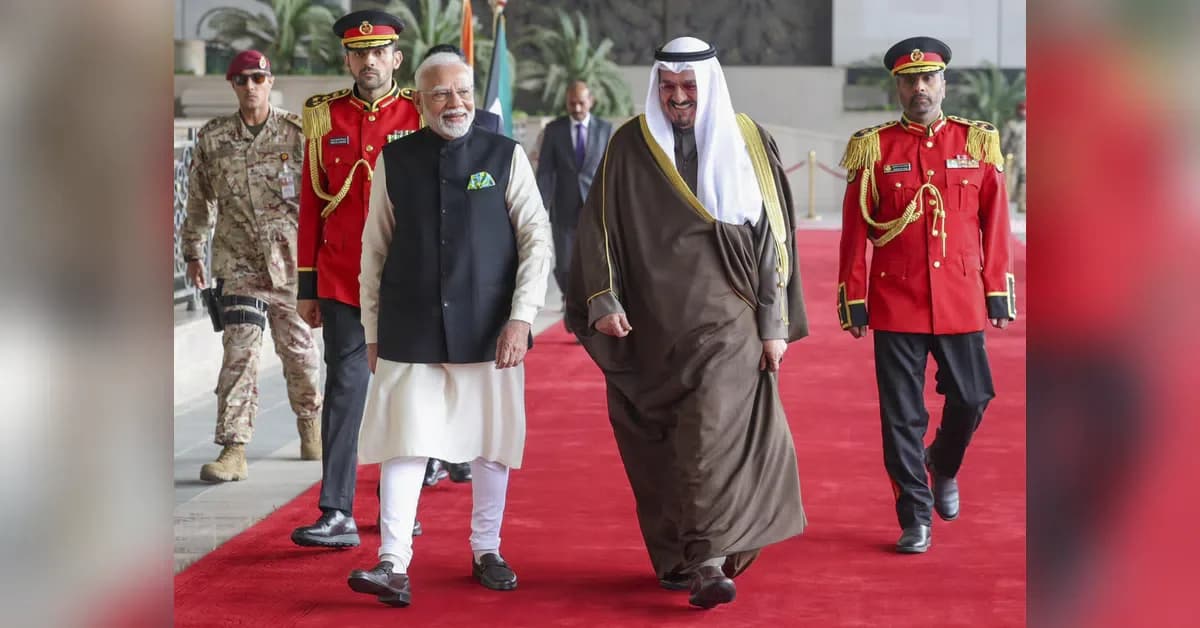
External Affairs Minister S Jaishankar concluded his visit to Kuwait on Thursday after meeting with the country's top leadership. According to reports from Business Standard, Jaishankar met Crown Prince Sheikh Sabah Al-Khaled Al-Hamad Al-Sabah, Prime Minister Sheikh Ahmad Abdullah Al-Ahmad Al-Sabah, and the ministers of defence and foreign affairs. The discussions provided an opportunity to review the India-Kuwait Strategic Partnership and exchange views on regional and global issues of mutual interest, as stated by the Ministry of External Affairs.
As reported by Business Standard, Jaishankar's visit to Kuwait was part of a broader diplomatic engagement across West Asia. Earlier this week, he visited Qatar and Bahrain, where the leadership of the Gulf states shared their assessment of the situation in West Asia with him. The minister will travel to Oman next as part of India's continued diplomatic engagement across the region.
The diplomatic engagement comes amid intensifying regional tensions as Iran intensified its retaliation against US airstrikes. According to The Economic Times, air raid sirens sounded in Bahrain as Iran claimed drone attacks targeted American military sites in Bahrain, Kuwait, and Qatar. The Iranian military stated it struck Patriot missile systems and fuel storage facilities, while Bahrain's Interior Ministry urged residents to seek shelter amid the escalating tensions. Missile alerts sounded for the third time on Sunday in Bahrain, an island kingdom home to the US Navy's 5th Fleet, with Qatar's military intercepting incoming Iranian fire and explosions heard in neighbouring United Arab Emirates. Kuwait's military also activated air defence systems to intercept incoming fire, while three people, including a child, were wounded as a result of falling shrapnel from Iranian attacks.
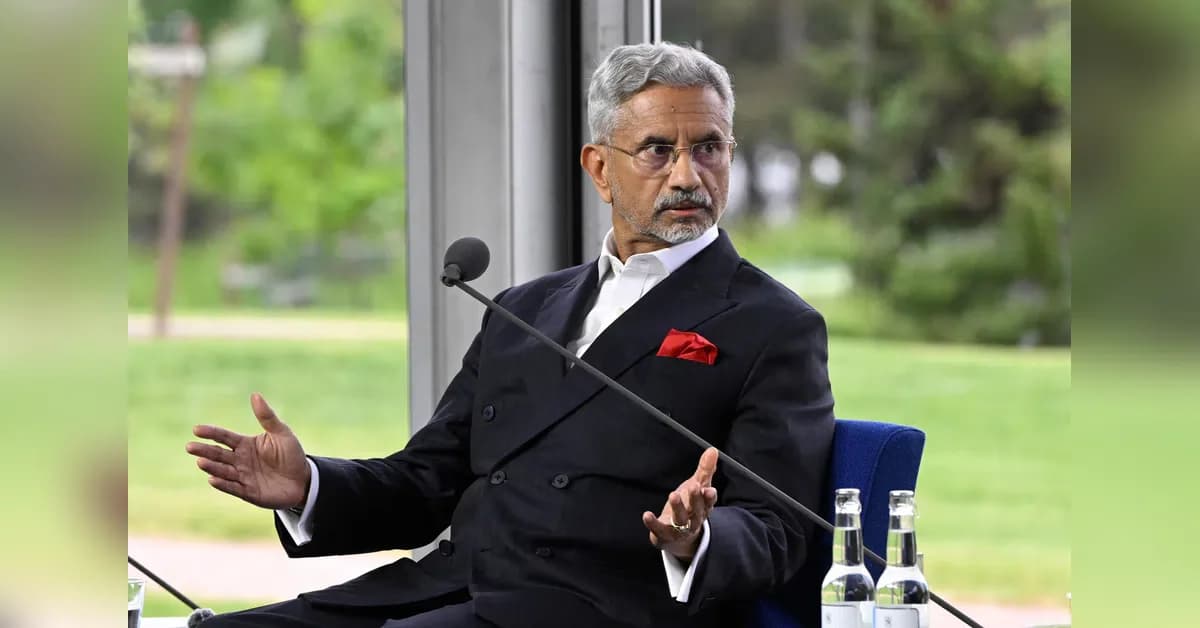
According to sources cited by Business Standard, New Delhi is in contact with the Iranian authorities to secure safe passage for at least nine tankers laden with oil and liquefied petroleum gas waiting to transit the Strait of Hormuz. This development highlights the strategic importance of the region for India's energy security, as nearly 10 million Indians live and work in West Asia, and India relies heavily on the region for its energy supplies.