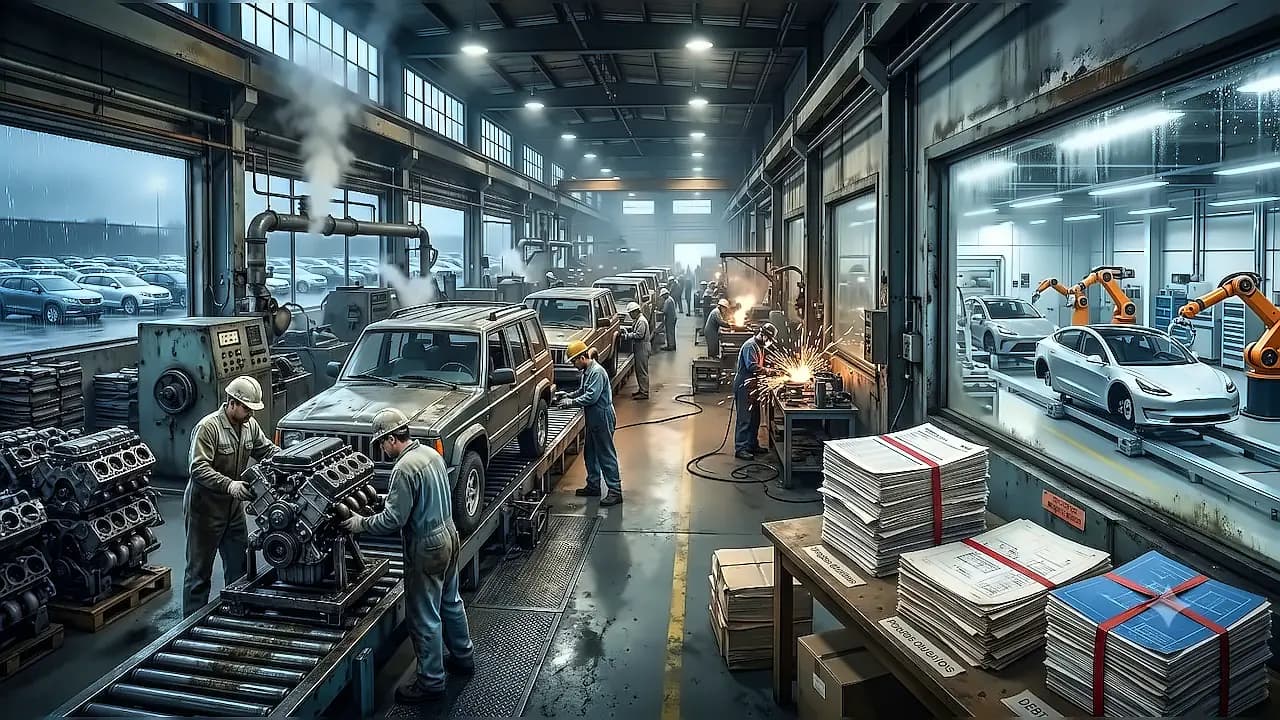
Ford Motor Company has received significant relief as aluminum supplier Novelis has restarted production at its New York facility, marking a critical development for the automaker's F-Series truck production. According to recent reports, the facility had been crippled by two separate fires last fall, which had hindered Ford's ability to maintain adequate inventory of its critical F-Series pickups. The production restart comes at a crucial time as Ford enters the popular selling season, having unleashed deals such as employee pricing and other incentives to move trucks and generate strong margins. This development represents a major positive for investors who have been concerned about Ford's ability to rapidly recover from the supply disruption.
The aluminum supply crisis has had substantial financial implications for Ford, with the company initially warning that the disruption could cost up to $2 billion and that F-Series inventory and supply wouldn't normalize until the back half of 2026. As reported, Ford believes it can offset roughly half of that total cost this year, with the company expecting to recover approximately $750 million to $1 billion in EBIT lost in Q4 2025. The F-Series, which remains Ford's most important and popular product, saw U.S. sales decline 13% in May -- a rare occasion for this critical vehicle line. Gross stocks of Ford's F-Series stood at roughly 183,900 units at the end of May, down 16% compared to the prior year. Despite these challenges, Ford maintains that it can benefit from more favorable regulatory environment and potentially lower warranty costs, with analysts projecting 2026E adjusted EBIT in the range of $8.5 billion to $10.5 billion.
Despite generating billions in annual revenue, major legacy automakers continue to trade at significantly discounted market valuations compared to their sales figures. According to reports, BMW generates approximately ₹14.5 lakh crore in annual revenue but maintains a market capitalisation of only ₹3.97 lakh crore. Honda demonstrates a similar pattern with ₹13.5 lakh crore in revenue but a valuation of just ₹3.2 lakh crore. Nissan and Renault are valued at ₹1.08 lakh crore and ₹83,000 crore respectively, despite multi-lakh-crore revenue streams. The stark valuation difference stems from how investors evaluate future growth potential versus current market size, with traditional automakers often viewed as mature businesses operating in a slow-growth industry despite their substantial cash flows and profitability.
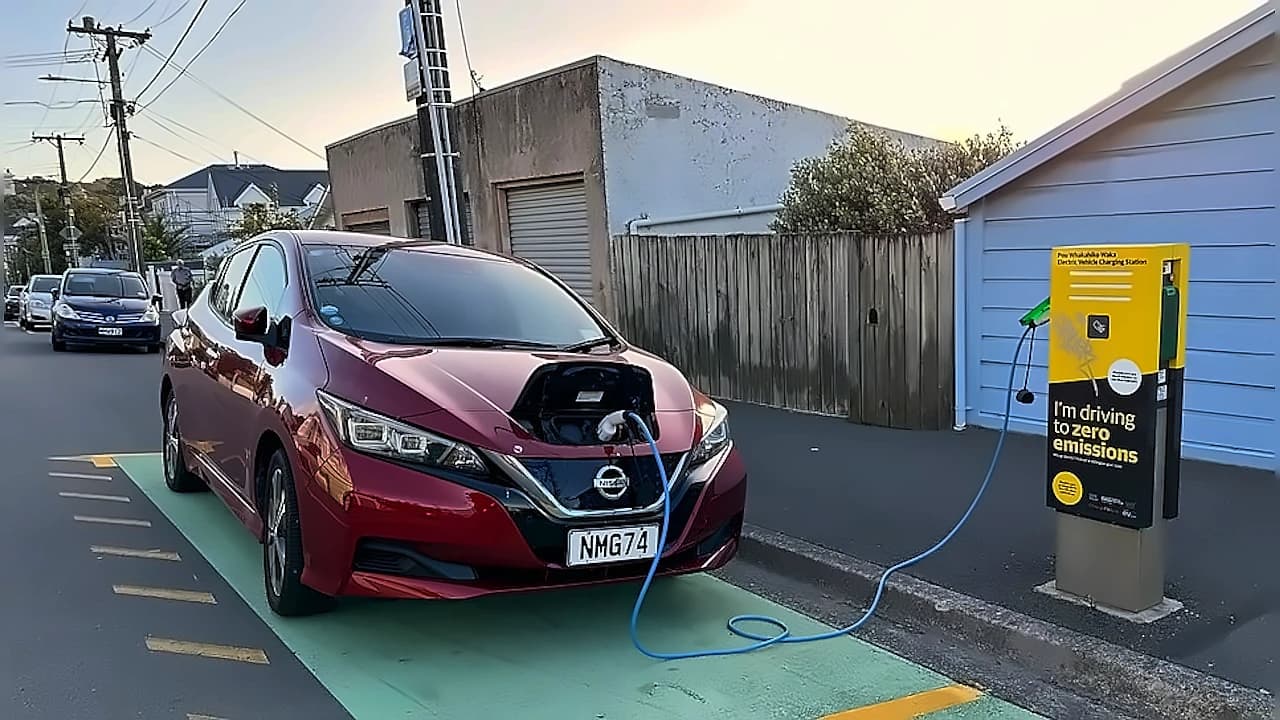
The valuation gap becomes even more pronounced when compared with electric vehicle manufacturers and technology firms. According to reports, Tesla's market capitalisation of approximately $1.5 trillion far exceeds that of most traditional automakers combined, despite producing far fewer vehicles. BYD has emerged as the world's largest electric vehicle manufacturer, while Xiaomi's successful expansion into automobiles has significantly boosted its valuation. Investors value these companies not merely as car manufacturers but as technology firms focused on electric vehicles, autonomous driving, artificial intelligence and software development. Tesla's market capitalisation of roughly $1.5 trillion far exceeds that of most traditional automakers combined, with investors valuing Tesla not merely as a car company but as a technology firm focused on electric vehicles, autonomous driving, artificial intelligence and software.
A major factor contributing to legacy automakers' lower valuations is the cyclical nature of their business model, with automobile demand closely tied to economic growth, employment, interest rates and consumer confidence. During recessions or periods of high borrowing costs, consumers often postpone vehicle purchases, causing sales and profits to decline sharply. This makes earnings unpredictable and increases investment risk, as markets generally reward businesses with stable and recurring cash flows. The ongoing transition to electric vehicles has created additional complexity for traditional manufacturers, requiring heavy investments in batteries, software, charging infrastructure and new production facilities while continuing to support profitable internal combustion engine businesses. However, Ford's recent supply chain recovery and projected financial improvements suggest potential for better market reception as the company navigates these challenges.