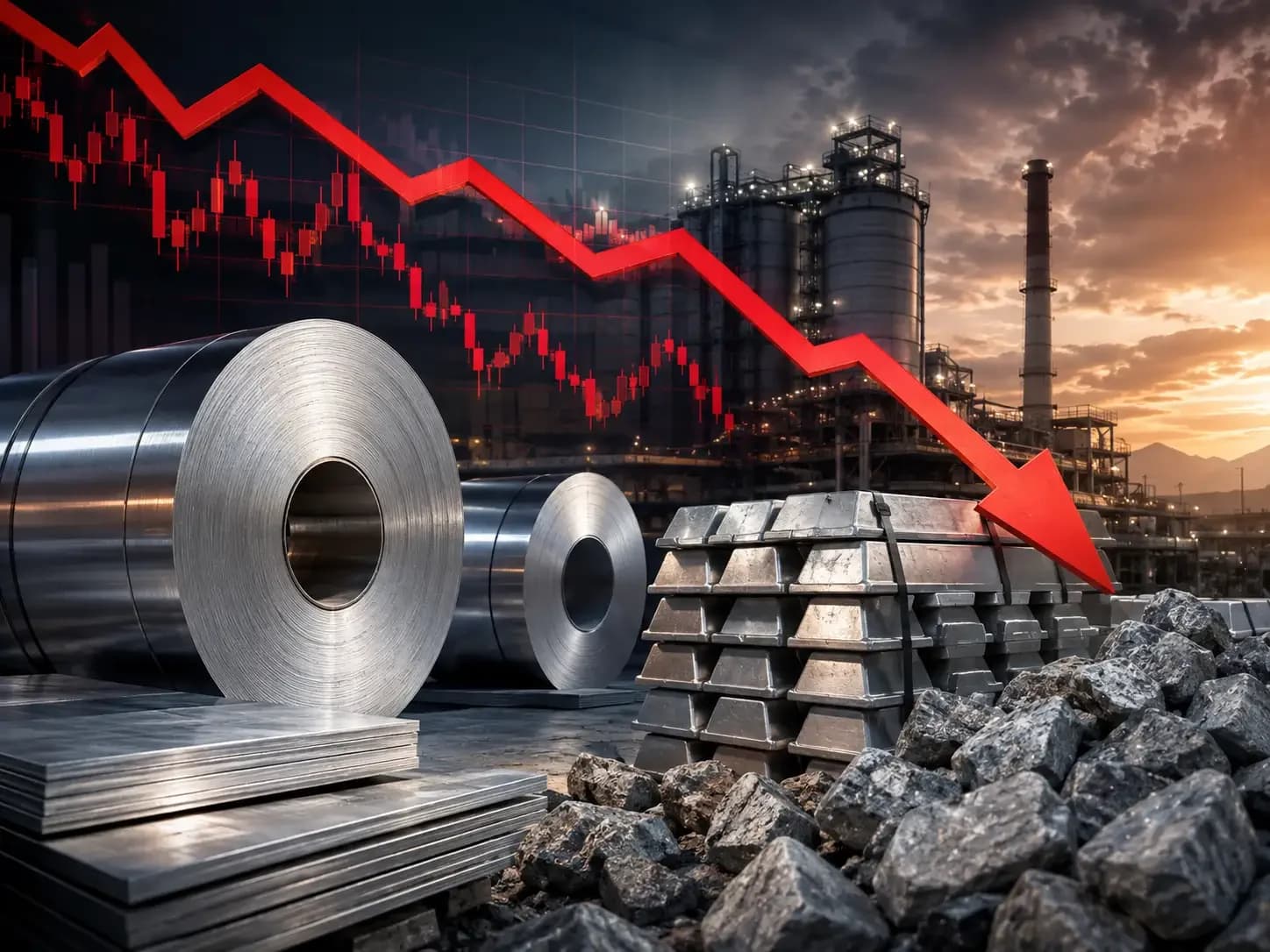
Aluminum fell to its lowest level since mid-February as a strengthening US dollar continued to pressure commodities markets. According to reports from NDTV Profit, the industrial metal extended losses after dropping by 16% in June, marking the biggest monthly decline since 2008. The dollar index rose by 0.07% on Tuesday, supported by month- and quarter-end demand with Tuesday being the last trading day of Q2. A gauge of the dollar had previously risen for a second day, rallying 2.5% over the last two months due to a more hawkish stance from the Federal Reserve, making commodities priced in the currency more expensive for many buyers. The latest developments show the hawkish shift by the US Fed has boosted the US dollar index, further weighing on nonferrous metal prices.
Despite recent declines, analysts predict limited downside for aluminum and copper prices due to ongoing supply deficits and geopolitical factors. According to BMI, a unit of Fitch Solutions, the loss of Middle Eastern supply had tightened an already constrained aluminum market, with a supply deficit of 1.8 million tonnes expected to persist in 2026, limiting downside for prices. ING Think's Ewa Manthey noted that the market continues to face a supply deficit while inventories signal tight physical market conditions. On the London Metal Exchange, aluminum is currently quoted at around $3,100 a tonne, up 3% year-to-date. Sunsirs expects the aluminum price may rise after fluctuating in the second half of the year, with limited downside, while the ceasefire agreement between the US and Iran is set to ease acute supply-side pressure that had weighed on aluminum supply.
The dispute over control of the Strait of Hormuz persists, with the resumption of navigation through the strait remaining uncertain. As reported by SMM Morning Meeting Minutes, this geopolitical tension adds new uncertainties to the aluminum market. The Middle East accounts for nearly a 10th of global aluminum output, and the previous supply disruptions had significantly impacted prices. The US-Iran conflict is estimated to remove 2.3 million tonnes from the market, equivalent to 3.2% of global output, though the lost capacity is unlikely to return quickly. The current decline reflects the market's adjustment to normalized supply conditions from the conflict-affected region, compounded by ongoing geopolitical tensions in the region.
The dollar strength affected other industrial metals as well, with copper losing 0.9% to $13,254 and iron ore declining 1.6% to $97.50 a ton in Singapore. According to NDTV Profit, aluminum fell 0.5% to $3,071 a ton on the London Metal Exchange as of 11:43 a.m. in Shanghai, after dropping to $3,060 earlier, the lowest since February 19. Investors are worried about further gains in the dollar, which affects sentiment across industrial metals, as well as gold and silver. Under macro headwinds, aluminum prices in and outside China have fallen, with bearish factors dominating in the short term. Gold and silver prices settled mixed on Tuesday, with gold posting a 7.75-month low amid dollar strength and reduced safe-haven demand.
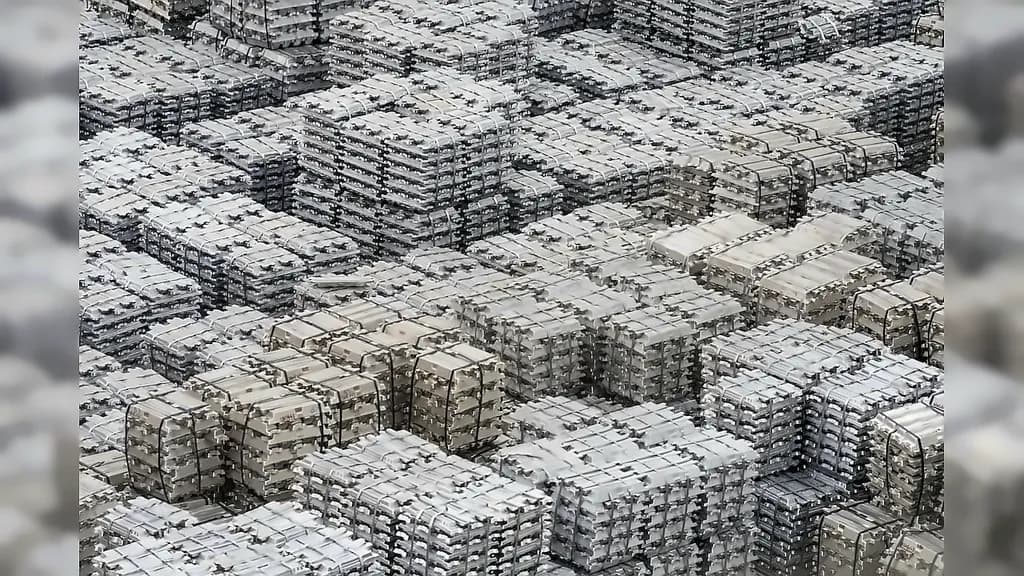
Some Chinese investors have been diverting funds from commodities into equities due to a local stocks rally, according to Zhenting Zhou, a trader at Hangzhou Chenglian Industrial Co. As reported by NDTV Profit, the market is also waiting for Washington's pending review of refined copper imports, which were excluded from last year's tariffs. Commerce Secretary Howard Lutnick was due to deliver an update to President Donald Trump on the US copper market by Tuesday. The short-term outlook remains bearish, with aluminum prices expected to continue in the doldrums under the current macroeconomic conditions. However, strong central bank demand for gold provides some support, following news that bullion held in China's PBOC reserves rose by 320,000 ounces to 74.96 million troy ounces in May, the largest monthly increase in 17 months, and the nineteenth consecutive month the PBOC boosted its gold reserves.