Recent developments in Australia and other markets suggest that the current electric vehicle surge may be driven more by panic buying than permanent market transformation. Mazda Australia's boss Vinesh Bhindi has stated that high EV sales in recent months were caused by the conflict in the Middle East and steep rise in fuel prices, rather than structural market changes. According to Drive, Bhindi believes the last two months have shown appetite for EVs grow, but this is because of fuel supply issues as opposed to any structural change in the market. In Australia, 19.9% of new vehicle sales were electric in May 2026, the all-time high for the country, compared to 16.4% in April. However, Bhindi notes that fresh orders have already returned to pre-supply issue levels of the Middle East crisis, indicating demand may normalize as fuel prices stabilize.
Russia's escalating fuel crisis has created an unexpected boom in electric vehicle demand, with drivers seeking alternatives to expensive gasoline and lengthy queues. According to Reuters reports, Moscow-based dealership EN Cars, which specializes in Chinese manufacturers, is now selling multiple EVs every day compared to just two to three per month previously. The crisis stems from Ukrainian strikes on Russian energy infrastructure, resulting in gasoline and diesel supply restrictions across most areas. As reported by Reuters, retail gas prices have risen to some of the highest levels in Europe, making EVs increasingly attractive to Russian consumers. Bhindi's observations from Australia suggest this pattern may be replicable globally, where consumers feel the need to secure mobility during crisis periods.
Chinese automakers are emerging as the primary beneficiaries of Russia's EV transition, with companies like Geely, Dongfeng, GAC, and Chery ranking as the top-selling EV and hybrid brands in Russia according to Autostat. The most popular Russian-made EV, Evolute, is manufactured using Dongfeng assembly kits. According to Autostat and the Ministry of Industry and Trade, sales of new completely electric cars increased 19% to 4,460 in the first five months of the year, while sales of new plug-in hybrids increased 125% year over year to 24,600. The momentum continued into June as fuel shortages worsened, with 1,754 new plug-in hybrids registered last week, up nearly a third from the previous week. However, Bhindi's comments suggest this growth may be temporary, as infrastructure and framework for EVs to thrive aren't quite there yet.
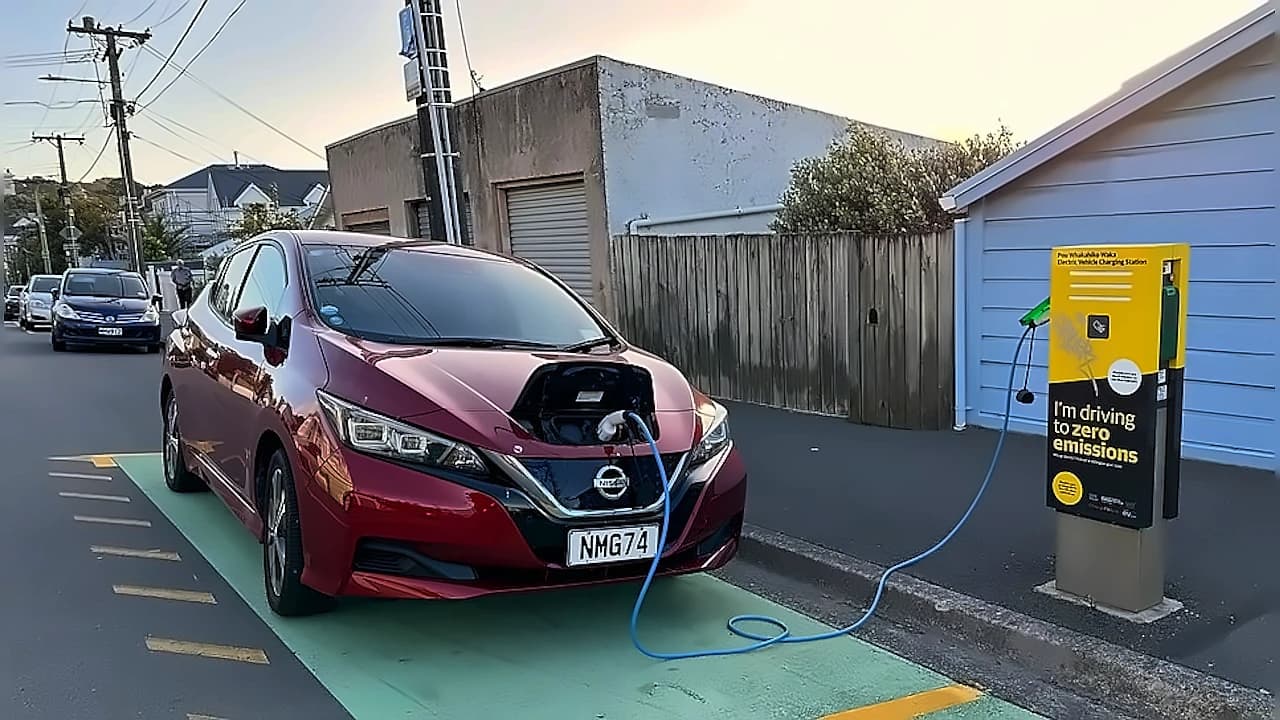
Despite the surge in demand, Russia's EV market expansion faces significant infrastructure challenges including long distances, severe weather, and a sparse network of charging stations. As reported by Autostat executive director Sergei Udalov, sales volumes of EVs and plug-in hybrids are increasing but remain low due to importers and manufacturers being unprepared for the gasoline crisis and lacking sufficient inventory. However, Udalov predicts that if the crisis persists, sales would experience a tremendous rise in the near future, with China positioned as the biggest benefactor. The charging infrastructure is improving, with the number of charging stations in Russia climbing 20% in the year to July 2026, according to digital map firm 2GIS. Bhindi's analysis suggests that while Australia's EV adoption may normalize as fuel prices stabilize, the trend could persist in markets like China where consumers favor EVs over ICE vehicles.