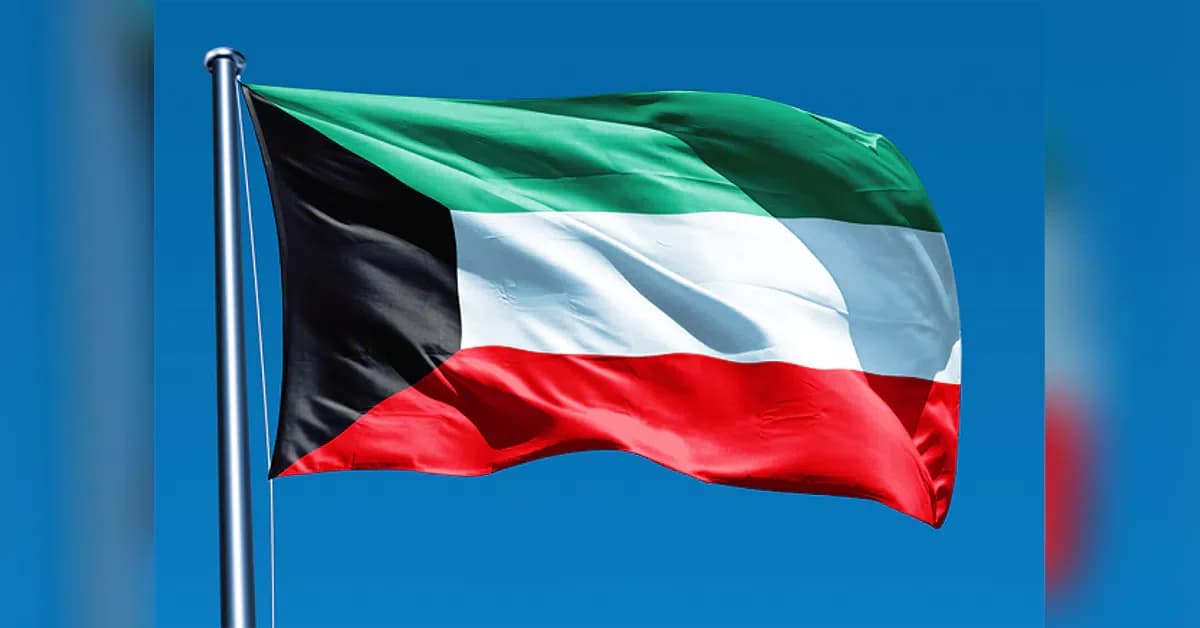
Kuwait has officially launched its 15-year Investor Residency Permit programme, making it operational for foreign investors and senior executives including Indians. According to reports from Business Standard, the permit, first introduced under Law No. 116 of 2013, had its validity extended from the earlier term to 15 years in January 2026. The scheme could not be implemented in practice until the government notified the eligibility conditions, which have now been formally established.
The residency permit is available to foreign nationals associated with qualifying investment entities in Kuwait, including owners of the investment entity, business partners, directors, and senior management. As reported by Business Standard, applicants must maintain a valid passport with at least six months' validity and have no criminal record. The investment entity must be a company established in Kuwait for direct investment, hold a valid investment licence issued by the Kuwait Direct Investment Promotion Authority (KDIPA), and meet Kuwait's localisation requirements.

The investment requirements include a minimum investment value of KWD 5 million, which translates to approximately ₹14.2 crore at current exchange rates. According to Business Standard, the investment entity must also maintain paid-up capital of at least KWD 1 million (around ₹2.85 crore) deposited in a Kuwaiti bank account. The programme extends to eligible family members, including spouses, children and parents, making it attractive for families planning relocation.
The new rules are particularly significant for Indian entrepreneurs and companies looking to establish a long-term presence in Kuwait. As reported by Business Standard, unlike conventional work visas tied to employment, the Investor Residency Permit offers up to 15 years of residence, providing greater stability for investors, business owners and senior executives relocating to the country. Immigration firm Fragomen noted that the programme seeks to enhance Kuwait's attractiveness as an investment destination by providing long-term residency to eligible foreign nationals.
The announcement aligns with Gulf countries' broader trend to liberalise immigration and investment policies to attract foreign capital and skilled professionals. According to Fragomen, development of the 'GCC Grand Tours' Unified Tourist Visa continues at pace, potentially allowing foreign nationals access to all six Gulf Cooperation Council Member States including Kuwait. Current expectations indicate the visa could be launched in 2026, further enhancing regional mobility for investors and professionals.