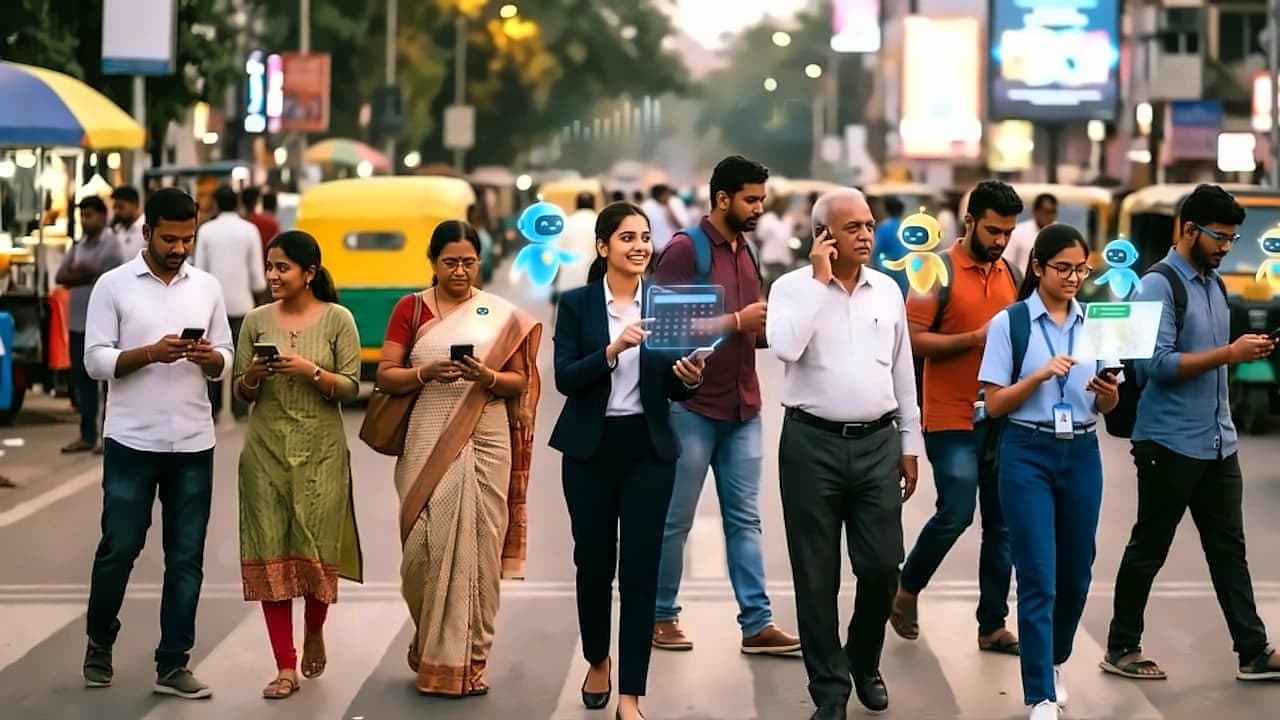
Over 74% of Indian entrepreneurs are considering relocating overseas or securing an additional residency, according to the HSBC Global Entrepreneurial Wealth Report 2026. This figure is broadly comparable with the global average of 70%, highlighting the increasingly international approach of India's wealthy business owners. Singapore emerged as the preferred destination among Indian respondents, with 14% naming the city-state as their choice. France, the UK and the US followed as the next most preferred destinations, each selected by 11% of respondents. The report, based on a survey of more than 3,000 high-net-worth and ultra-high-net-worth entrepreneurs worldwide, reveals that nearly three-quarters of Indian entrepreneurs plan to relocate or add a second residency, with this global mobility trend reflecting strategic diversification rather than exit from India as a business base.
Indian entrepreneurs are demonstrating strong adoption of artificial intelligence, with 99% of respondents either already changing or planning to change their business operations in response to AI. This compares with 95% globally. Around 65% of Indian entrepreneurs said they had already modified their businesses in anticipation of AI's impact, compared with 60% of entrepreneurs worldwide. More than half, or 54%, of Indian entrepreneurs expect to allocate between 11% and 30% of their turnover to AI over the coming 12 months, with 46% identifying AI as providing competitive advantages and 42% seeing potential for discovering new markets. The survey found that 45% of Indian entrepreneurs expect AI to increase employee headcount over the next two years, while 25% expect a decrease, cutting against common fears about job displacement. 39% of respondents cite productivity gains and improved margins as additional benefits from AI implementation.
The HSBC report reveals strong confidence among Indian business owners regarding their financial future. 97% of Indian entrepreneurs expect their personal wealth to improve over the next few years, up from 95% in 2025 and exceeding the global average of 90%. More than half, or 51%, expect their wealth to become "a lot better," compared with 44% globally. Business sentiment remains equally positive, with 97% of Indian entrepreneurs being positive about their current business prospects, compared with 95% globally. The optimism is driven by technological advancements (46%), business performance (42%), and AI advances specifically (40%) as leading factors for confidence. This juxtaposition with 74% planning global residencies suggests that while entrepreneurs remain confident in India's growth story, they are also diversifying their personal and family residency options as a strategic hedge against various risks.
According to the survey, gold remains the most commonly held personal investment among Indian entrepreneurs, with 63% holding it. Cash follows at 54%, while 51% report holding real estate funds. Private equity funds are held by 48% of respondents. Among entrepreneurs who already own relevant assets, real estate funds are expected to see the strongest increase in allocations over the next 12 months, with 71% planning to increase their investments in the asset class. Among those planning to increase alternative asset investments, 71% plan to increase investment in real estate funds, followed by gold, direct investment in private companies, and infrastructure funds (each at 61%). The leading factors shaping alternative-asset decisions are higher risk-adjusted returns (50%), inflation protection (46%), and portfolio diversification (46%), while the top concerns are lack of valuation transparency (39%), high fees (38%), market-correction risk (36%), and limited liquidity (36%).
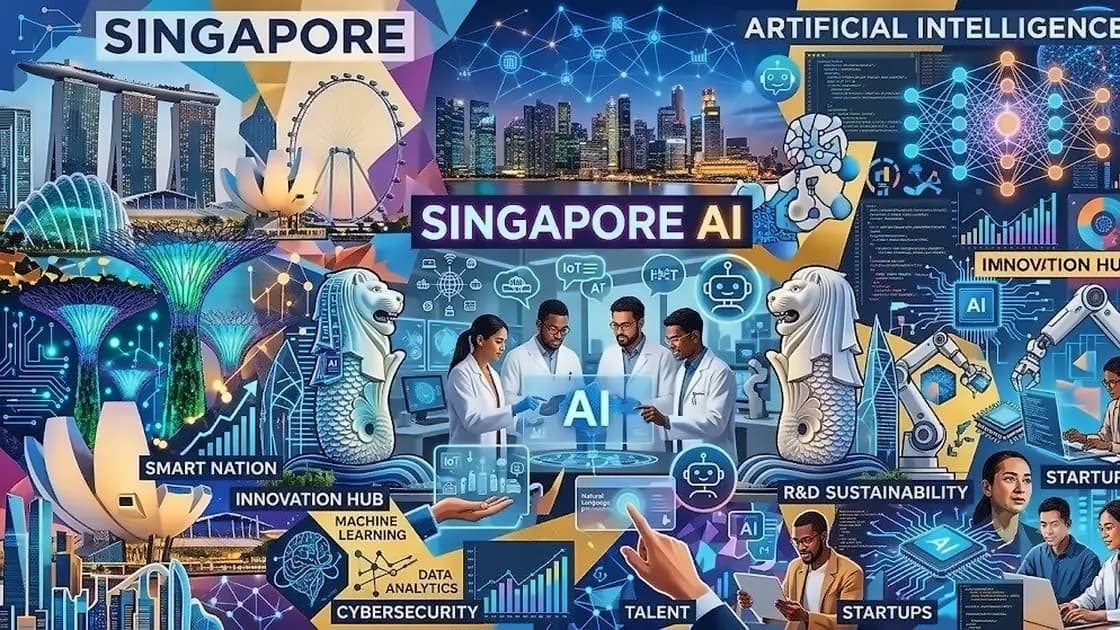
Despite strong confidence in AI adoption, Indian entrepreneurs face several obstacles. Data privacy and security risks were the biggest concern, cited by 44% of respondents. Employee resistance due to job loss concerns was identified by 38%, while 35% were concerned about integrating AI with legacy systems without disrupting existing operations. However, Indian entrepreneurs showed relatively high confidence in AI, with 54% having "a great deal" of trust in AI to support business activities, compared with 46% globally. Sandeep Batra, Head of International Wealth and Premier Banking at HSBC India, noted that "Indian entrepreneurs are approaching AI with ambition, recognising its potential to strengthen competitiveness and support the next phase of business growth." He emphasized that with high levels of trust in AI and a global approach to business, Indian entrepreneurs are well placed to convert technological progress into long-term growth.