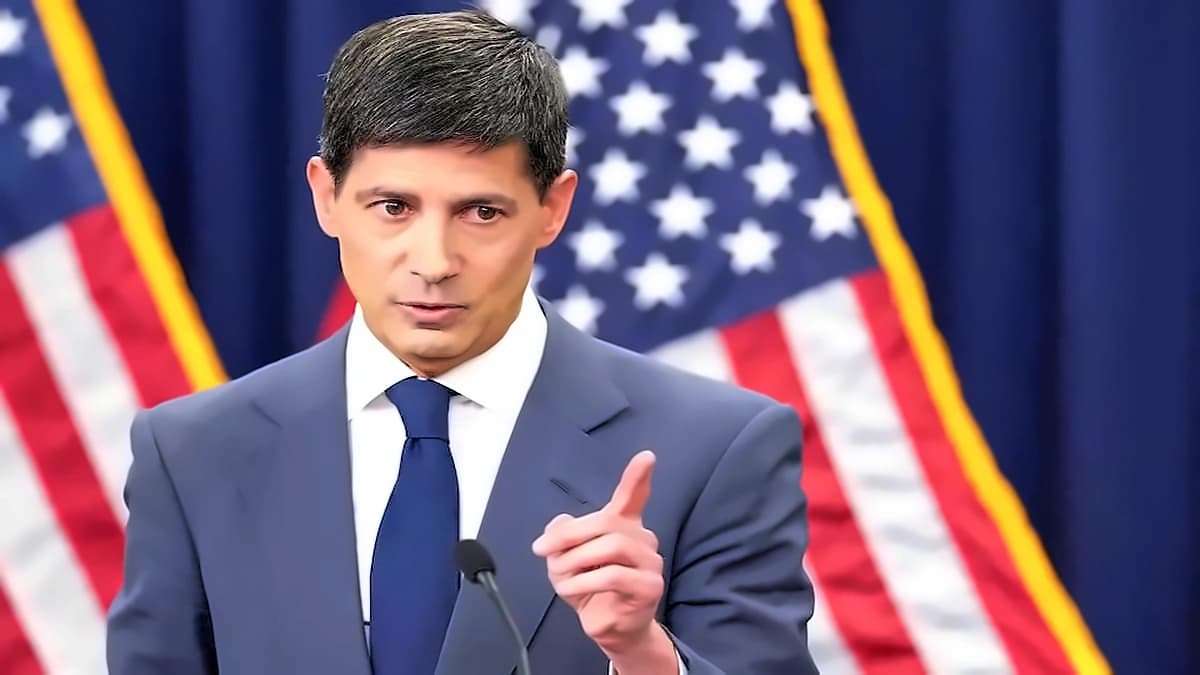
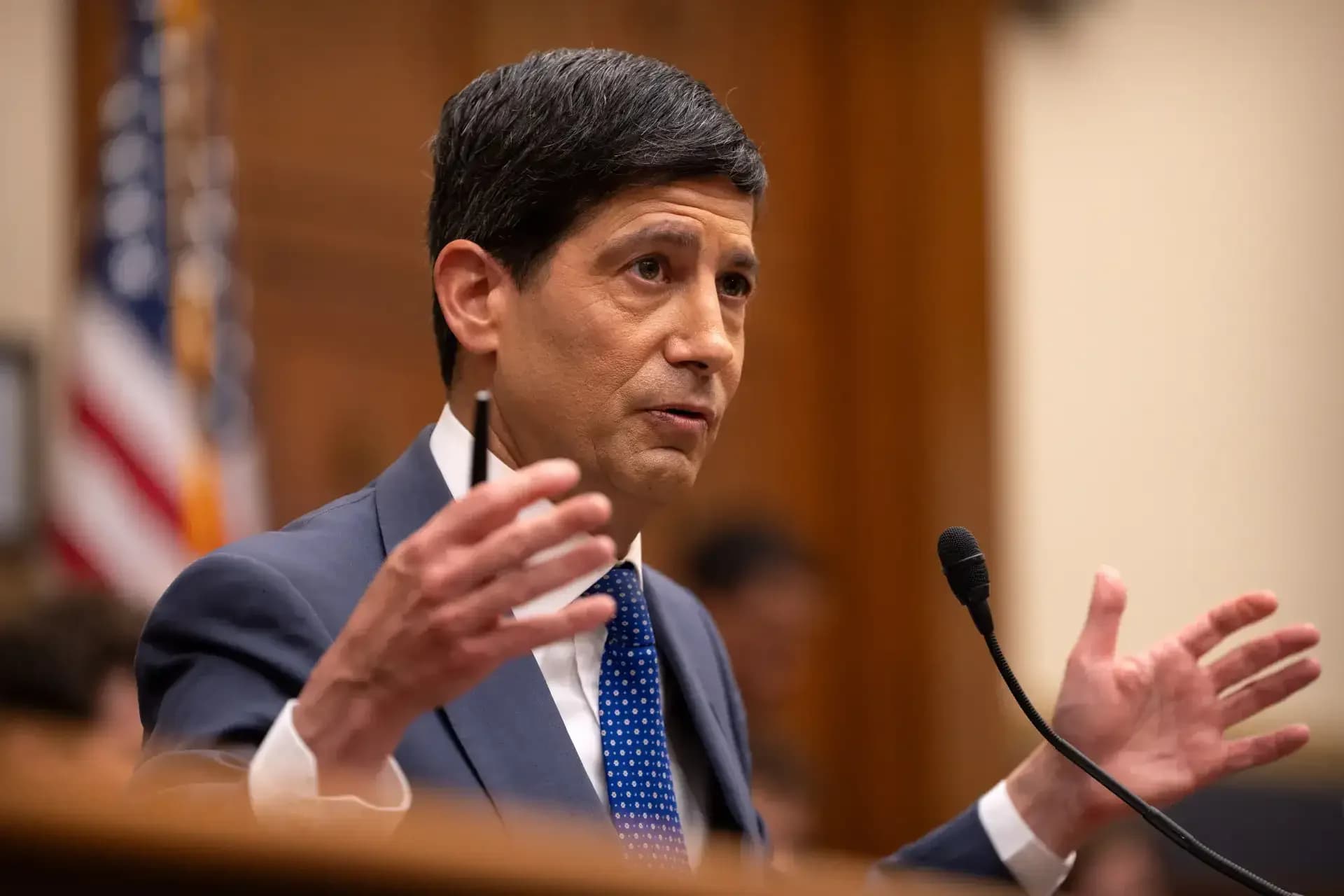
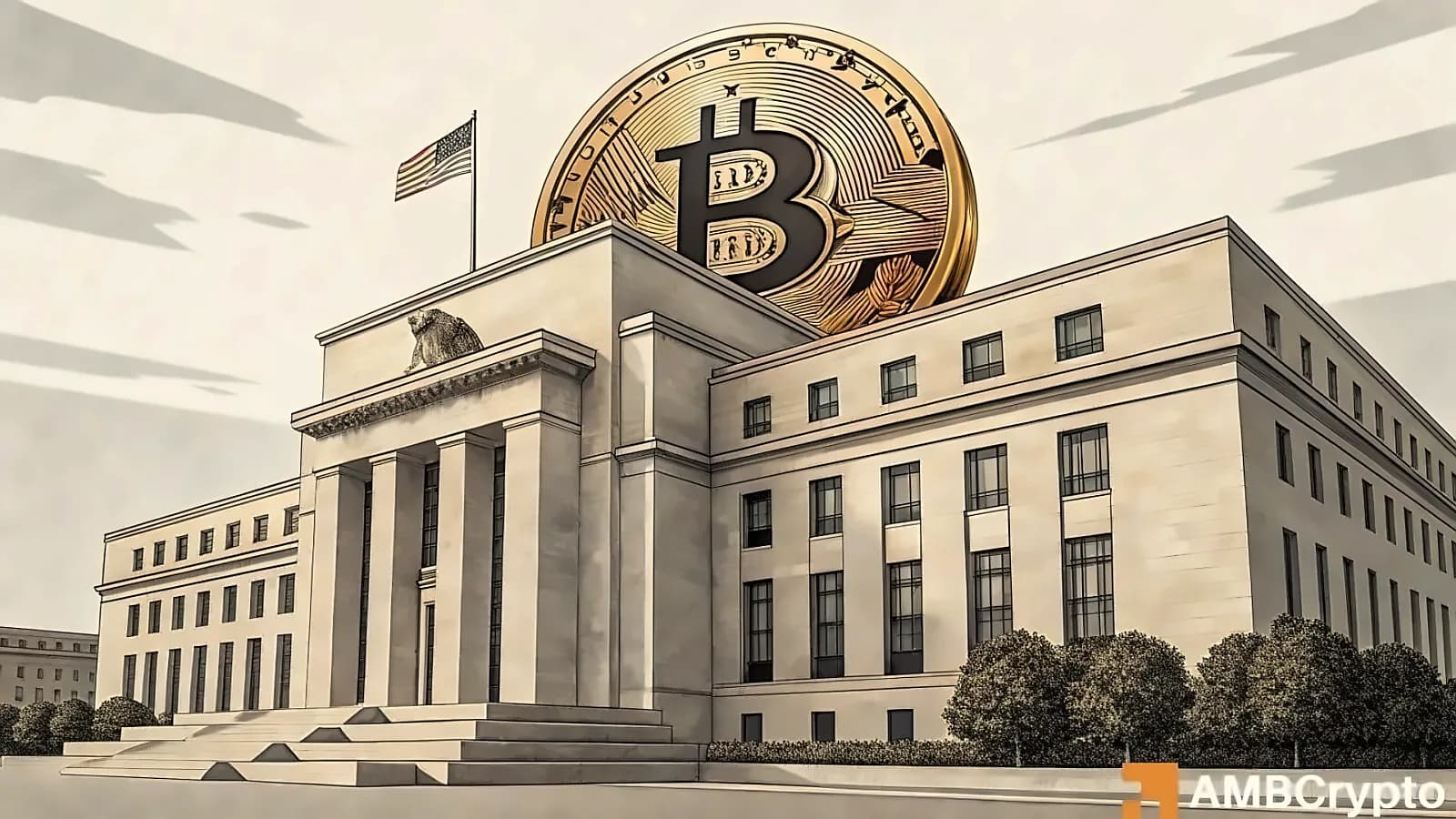
Federal Reserve Chairman Kevin Warsh has definitively ruled out any Federal Reserve bailout of the cryptocurrency sector, stating 'We do not want to be in the bailout business, full stop' during his first congressional testimony on July 14. The statement came in response to questions from Representative Brad Sherman about whether the Fed would rescue digital-asset firms similar to how it supported money market funds during the 2008 financial crisis. Warsh, who served as the youngest Federal Reserve governor during the 2008 crisis and helped design those emergency programs, has now disavowed such interventions. However, he added a crucial hedge, stating the Fed will 'do everything it can to mitigate extraordinary risks' over the next four years, while declining to rule out any future intervention in systemic events.
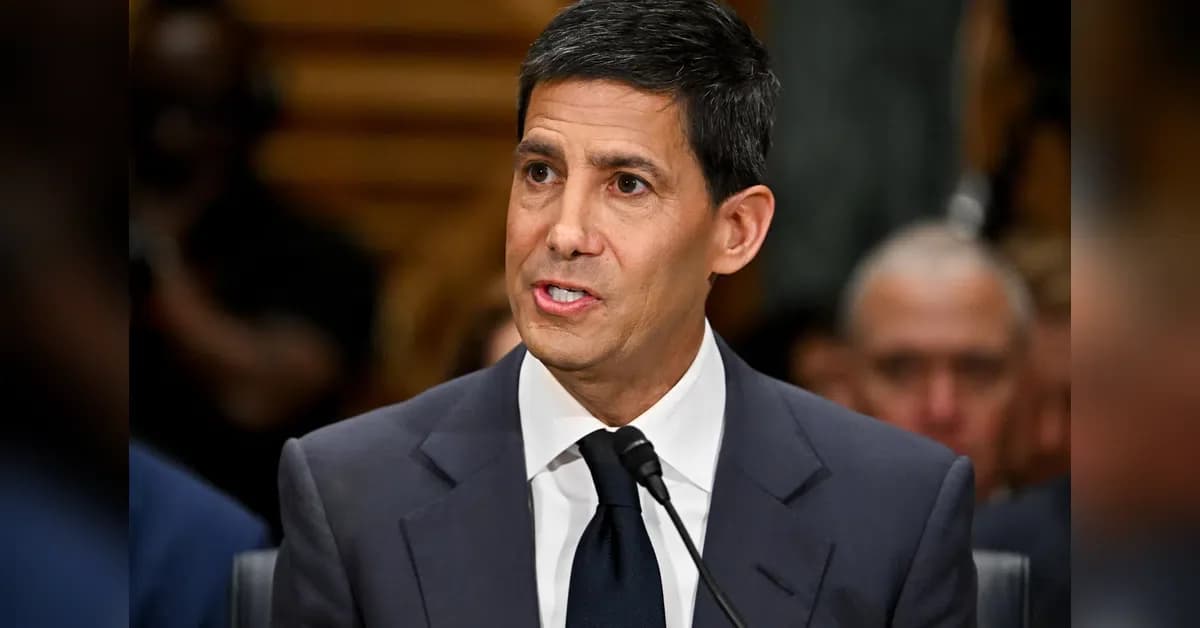
Federal Reserve Chairman Kevin Warsh is pushing for a more cautious communication approach on monetary policy, maintaining that the central bank remains committed to bringing inflation down while avoiding clear signals on what actions could trigger a change in interest rates. According to Reuters, Warsh's stance has created a contrast with several other Fed policymakers who have openly shared their views on inflation risks, interest rates and the likely path of monetary policy. The Fed Chair has been working to reshape the Fed's communication strategy, arguing that policymakers should provide fewer signals to markets and allow economic data to guide expectations. He has convened several expert-led task forces to examine possible changes to the way the central bank conducts monetary policy and communicates decisions.
Warsh has pointed to artificial intelligence-driven investment as a factor that could influence price pressures, suggesting that AI-related developments could contribute to higher measured prices over the coming year. The Fed Chair has repeatedly highlighted concerns over inflation remaining above the Fed's target during his testimony before the House Financial Services Committee and the Senate Banking Committee this week. However, he stopped short of outlining specific conditions that would prompt the central bank to raise or cut interest rates. The central bank faces fresh uncertainty from rising fuel costs linked to renewed Middle East tensions and inflationary pressures tied to the rapid expansion of artificial intelligence investment.
While Warsh has avoided detailing his reaction function, several Fed officials have been more direct about their policy preferences. Fed Governor Lisa Cook said policymakers should continue monitoring inflation trends but warned that risks from AI investment, tariffs and Middle East tensions could keep inflation elevated. She indicated that further action could be necessary if progress toward lower inflation slows. New York Fed President John Williams offered a more optimistic assessment, saying inflation remains too high but showing confidence that price pressures could ease in the coming quarters. He described current monetary policy as being appropriately positioned. Fed Governor Christopher Waller said he would need to see several months of improving inflation data before becoming confident that inflation is moving sustainably toward the Fed's 2% target.
Federal Reserve Chairman Kevin Warsh has reaffirmed his commitment to central bank independence during his first congressional testimony on July 14, telling Congress that the central bank's independence isn't negotiable. According to reports from Business Standard, Warsh stated that President Donald Trump has not attempted to influence monetary policy decisions and would not succeed if he did. When asked about communications with the president since taking office, Warsh declined to share specific discussions, stating he doesn't want to be in the business of sharing private conversations. The Senate confirmed Warsh as Fed Chair on May 13 with a 54-45 vote and he was sworn in around May 22, succeeding Jerome Powell who stayed on as a Fed governor.
The Fed is scheduled to meet again in less than two weeks, with additional policy meetings planned before the end of the year. Markets are seeking more guidance ahead of the upcoming Federal Reserve meeting, as economists have questioned whether Warsh's approach provides enough clarity on how the Fed intends to tackle inflation. Analysts said uncertainty over his preferred policy response has made it difficult to predict the central bank's next move. Warsh has encouraged investors to focus on economic data rather than statements from individual policymakers, his approach differing from other Fed officials who believe transparency about their economic outlooks helps markets understand potential policy moves.