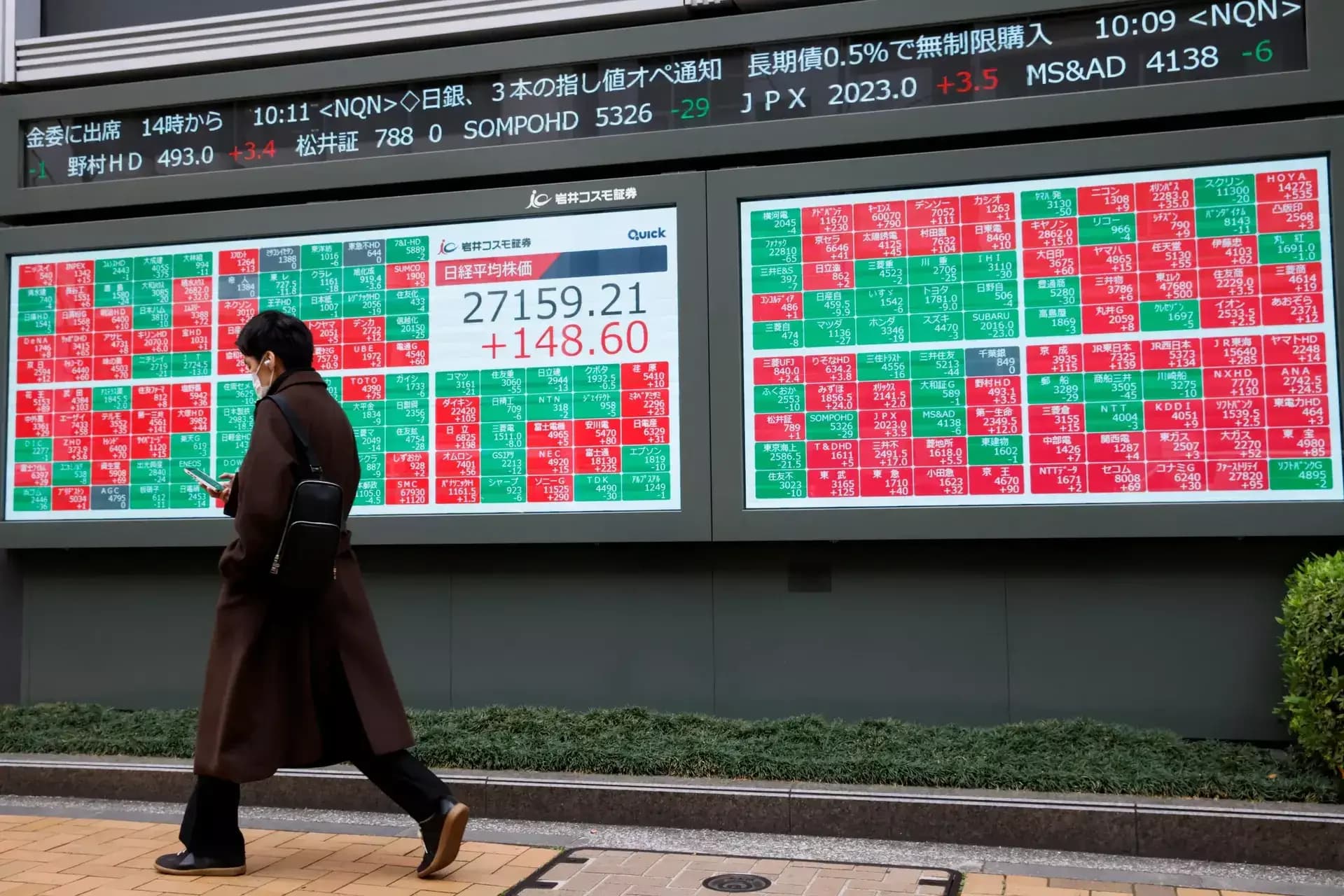
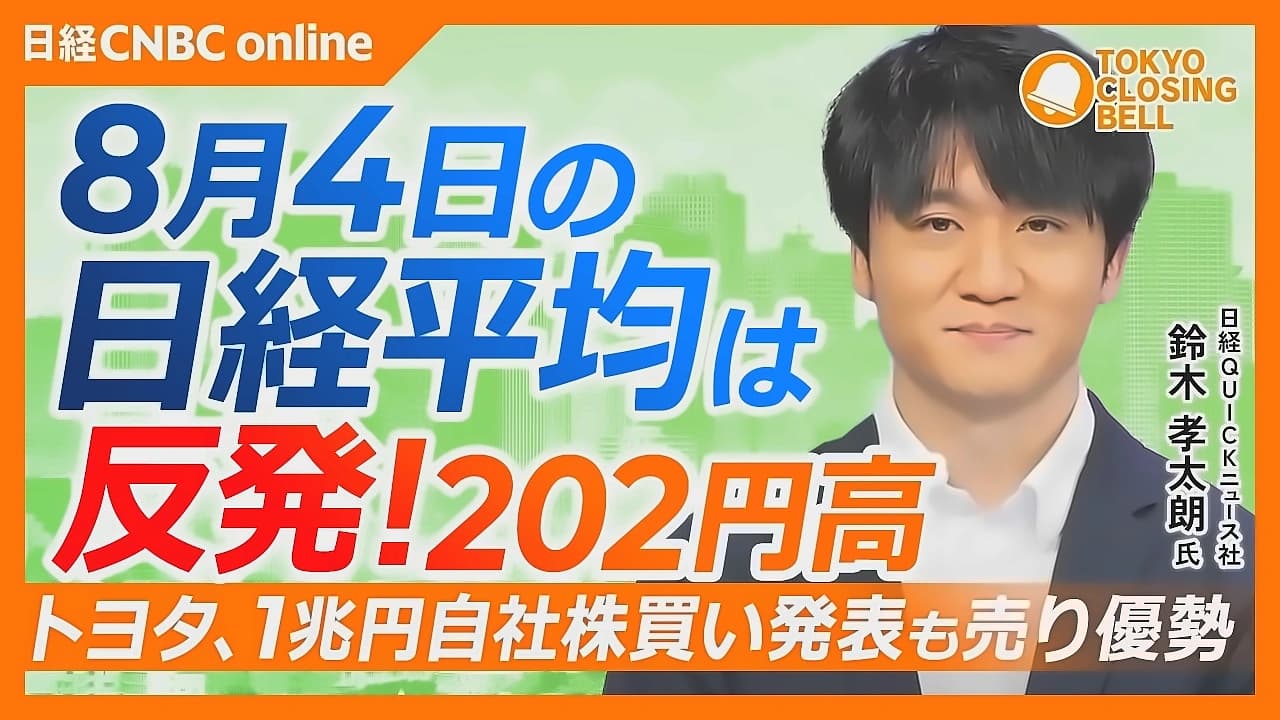
Japan's Nikkei 225 Index recovered from its earlier decline, closing at 63,360.96 after experiencing significant volatility during the trading session. According to Business Standard, the benchmark had initially declined 1.3% to close at 63,360.96 on Thursday, impacted by a significant selloff in chip-related stocks. The recovery came after the index had fallen as much as nearly 3% during the session, slipping below the 63,000 level for the first time since May 22. The broader Topix had slid 1.6% to 3,787.08, with 184 decliners against 40 advancers highlighting the broad-based nature of the selloff.
The market decline was triggered by escalating U.S.-Iran tensions that reignited inflation concerns and prompted investors to shun risky assets. As reported by The Economic Times, Washington carried out renewed strikes against multiple targets overnight in Iran, with the U.S. military confirming the attacks. President Donald Trump had vowed new attacks if no peace deal is secured, deepening doubts over potential resolution. Price pressures from the Gulf crisis caused Japanese wholesale inflation to quicken to the fastest pace in three years, adding upward pressure on domestic bond yields. The conflict has effectively closed much of the Strait of Hormuz, a route for about 20% of global oil, fertilizer, and other commodities.
Despite the recovery, tech shares remained under pressure due to worries about stretched AI valuations, which continue to weigh on Japanese firms tied to the global AI boom. According to Business Standard, the selloff was centred on AI- and semiconductor-related shares as heightened Middle East tensions and upward pressure on domestic interest rates prompted investors to focus more on relative valuations. Tech investment conglomerate SoftBank Group, which had contributed 233 points to the initial decline, ended lower at 1.4%, while Fujikura declined 1.2% and Toyota Motor fell 2.4%. However, Nintendo was a standout among decliners, dropping 6.76% after the video game giant's presentation of upcoming titles disappointed investors.
On the positive side, Kioxia Holdings surged 7%, Taiyo Yuden gained 6.2%, and Murata Manufacturing rose 3.7%, posting strong gains according to Business Standard. The recovery was supported by these corporate performances, helping to stabilize the broader market after the initial tech-led decline. Developer Mitsubishi Estate remained the largest gainer, up 5.2%, followed by Tokyo Disneyland operator Oriental Land, 4.3% higher, and Screen Holdings, which gained 4.2%. As reported by The Economic Times, Wataru Akiyama, an equities strategist at Nomura Securities, noted that the Topix's decline was relatively limited compared with the tech-heavy Nikkei due to the sector-specific nature of the selloff.