Japanese stocks experienced a reversal in their decline as oil prices eased after a scare overnight where prices popped and then moderated, helping to steady stock markets worldwide. The price for a barrel of Brent crude fell back to $107.84, down 1.3% from Friday, providing relief to markets that had been pressured by geopolitical tensions. This oil price reversal helped buoy stock markets that hadn't finished trading yet, with France's CAC 40 index going from a loss of 1.2% to a gain of 0.3%. The decline came as escalating Middle East tensions kept oil prices elevated, adding to investor concerns about geopolitical risks, but the recent easing provided some market stability.
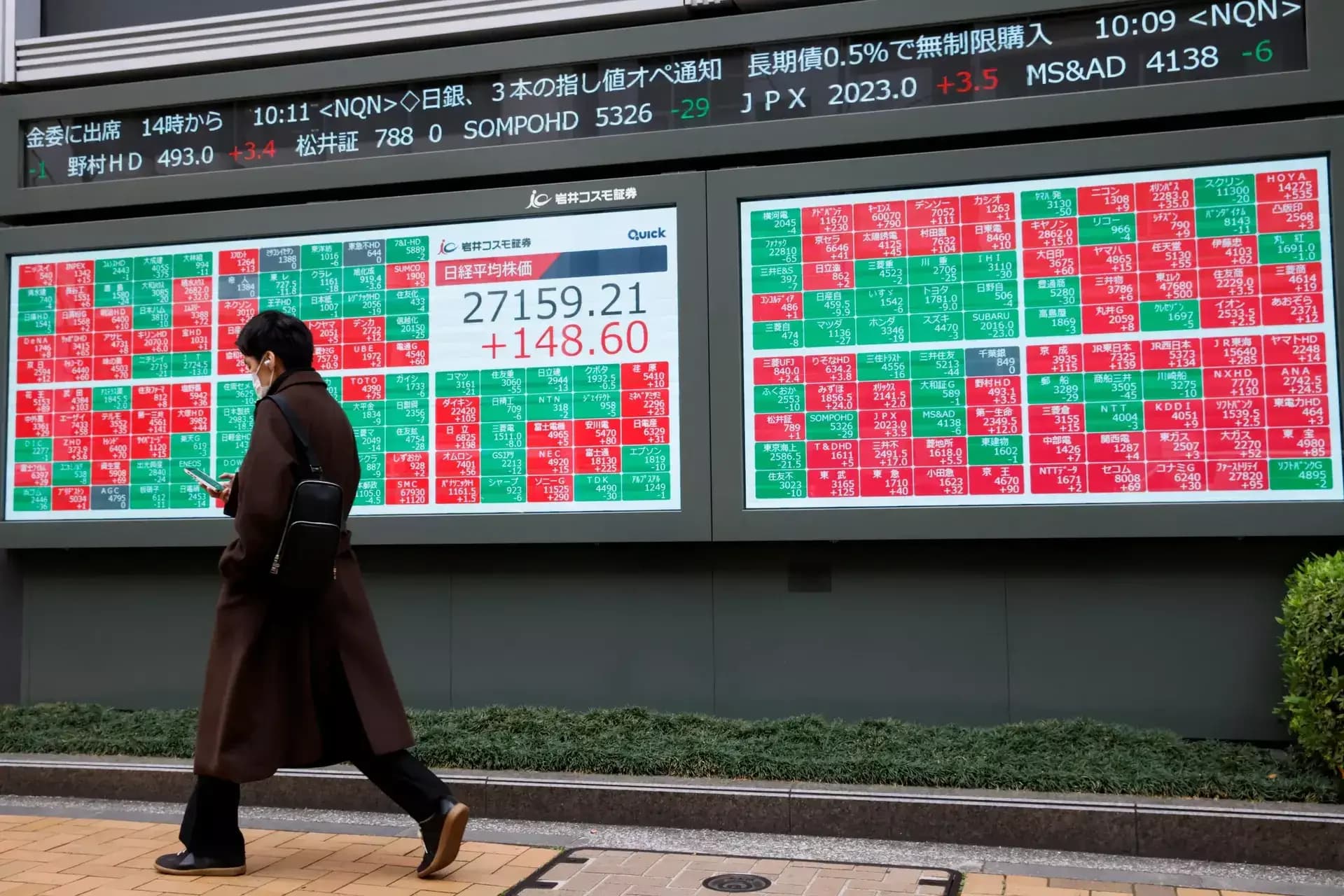
Japanese stocks extended their losing streak for the third consecutive trading session, with the Nikkei 225 Index closing at 60,815.95 points, down 1%, and the broader Topix Index ending at 3,826.51 points, down 0.97%. According to Golden Ten Data, the decline came as escalating Middle East tensions kept oil prices elevated, adding to investor concerns about geopolitical risks. The benchmark Nikkei 225 Index fell 1% to 60,815.95, while the broader Topix shed 0.97% to 3,826.51. Investor sentiment weakened after the drop in three major U.S. indexes and the rise in Japan's 10-year government bond yield. As reported by Reuters, there were 154 decliners against 68 gainers in the Nikkei, highlighting the broad-based nature of the selloff.

The latest decline was triggered by U.S. President Donald Trump's warning to Iran to "get moving, FAST," which revived concerns over Middle East supply disruptions and raised fears of further escalation in the region. Trump's warning has heightened investor anxiety about potential disruptions to global oil supplies, with oil prices climbing by more than 1% as markets weighed the implications of further Middle East tensions. Reports of drone incursions in the United Arab Emirates and Saudi Arabia further heightened geopolitical concerns, with US President Donald Trump warning that Iran must act "fast" as diplomatic efforts to end the conflict appeared to stall. The escalation has added to the pressure on Asian markets and contributed to the continued decline in Japanese equities.
Technology stocks led the downturn, with Fujikura declining 2.9%, SoftBank Group losing 2.7%, and Advantest slipping 0.8%. According to Reuters, this sector-specific weakness reflected broader concerns about the impact of geopolitical tensions on technology companies and their supply chains. The technology sector's underperformance highlighted investor uncertainty about potential disruptions to global trade and business operations. Following Friday's trend, today's market is being influenced by sectors such as semiconductors, AI-related stocks, and large-cap stocks, as noted by Maki Sawada, an equities strategist at Nomura Securities. The difficulty in US-Iran ceasefire negotiations remains a source of concern for investors.
In company-specific news, Mizuho Financial Group plunged nearly 6% following reports that it is considering a potential investment in Rakuten Bank. As reported by Reuters, this development added to the selling pressure on the financial sector and contributed to the broader market decline. The significant drop in Mizuho Financial Group reflected investor concerns about potential changes in the company's investment strategy and its impact on the bank's financial position. The largest losers in the Nikkei were Marui Group, down 9.7%, followed by Mizuho Financial Group, which lost 6%, and JGC Holdings, which lost 7.3%.