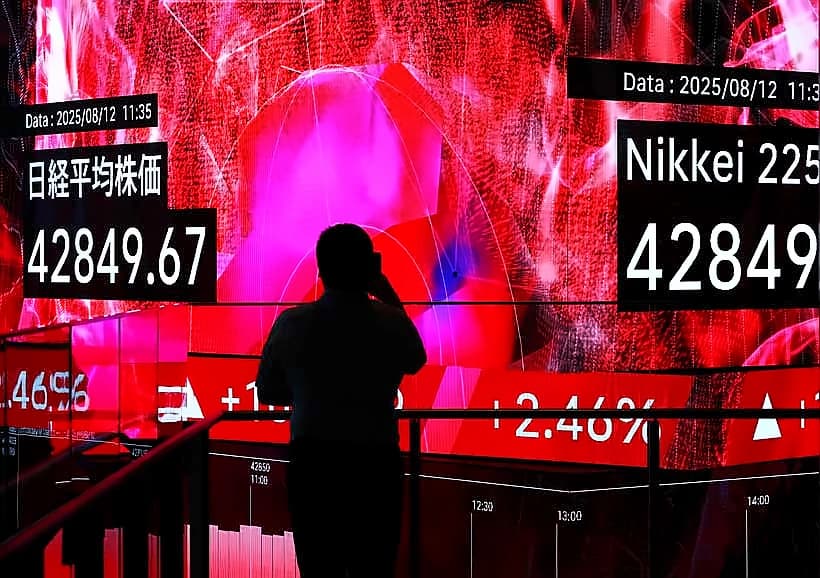
Japanese shares extended their losses as oil prices moved higher after doubts emerged over the chances of an agreement between the US and Iran before the US midterm elections in November, according to Business Standard. The latest decline came as global bond yields remained elevated as investors worried that higher energy prices could keep inflation strong and lead to tighter monetary policy. The broader Topix index dropped 1.75% to 4,040.16, indicating significant weakness across Japanese equities. More than half of Topix stocks traded without their dividend entitlement, adding to the pressure on the market. The decline followed an overnight selloff in U.S. equities, where rising oil prices and Treasury yields fuelled concerns about inflation and the prospect of monetary policy remaining tight.
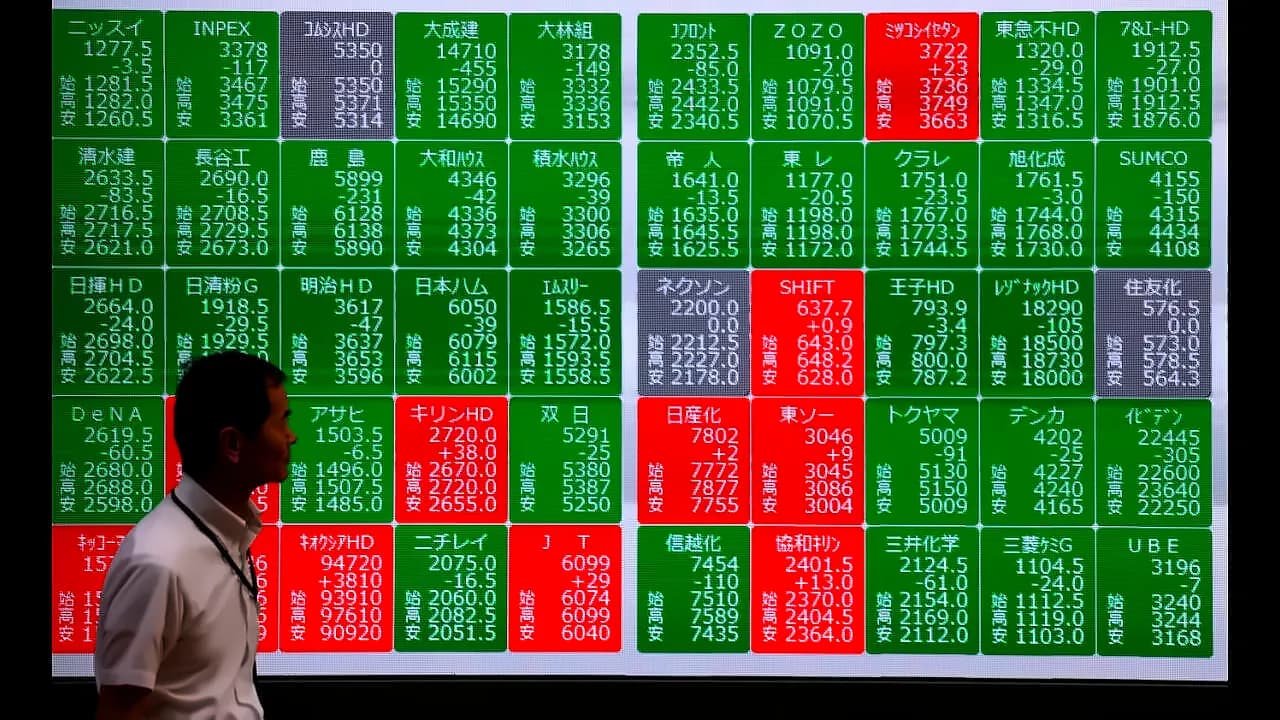
Heavy losses were seen across technology, financial and consumer stocks, as reported by Business Standard. SoftBank Group fell 3.4%, while Mitsubishi UFJ lost 3.5% and Sumitomo Mitsui dropped 4%. Toyota Motor declined 3.5% and Nintendo slipped 1.3%. The technology sector continued to face pressure as Nasdaq futures weakened during Asian trading hours ahead of quarterly results from US memory-chip maker Micron Technology. A senior portfolio manager at a Japanese asset manager said investors sold shares as Nasdaq futures weakened during Asian trading hours, with Micron due to report quarterly results on Wednesday. Decliners heavily outnumbered gainers on the Nikkei, with 199 stocks falling compared with 26 advancing, according to The Economic Times.
The latest decline came as oil prices jumped after President Donald Trump rejected Iran's latest proposal to reopen the Strait of Hormuz, according to Business Standard. Iran also said it would not ease its conditions for reopening the key shipping route, adding to geopolitical tensions. Rising global bond yields and concerns about inflation added to pressure, as investors expected tighter monetary policy. These factors created a challenging environment for Japanese equities, with the market facing multiple headwinds beyond technology sector concerns. Japanese government bond yields were also hovering near multi-decade highs, as reported by Reuters, adding to the overall pressure on equity markets. The latest developments show oil prices also moved higher after doubts emerged over the chances of an agreement between the US and Iran before the US midterm elections in November, further intensifying market concerns about energy costs and geopolitical risks.
NEXON was the biggest percentage loser, tumbling 14.57%, while Idemitsu Kosan fell 5.10% and Chubu Electric Power declined 4.46%, according to The Economic Times. Among individual stocks, technology investor SoftBank Group had previously gained 2.28%, while chip-testing equipment maker Advantu rose 0.26%. Memory-chip maker Kioxia Holdings had declined 4.4%, and Ibiden, which supplies components for central processing units, dropped 4.4%. Banking stocks provided support with Mitsubishi UFJ Financial Group rising 0.24% and Sumitomo Mitsui Financial Group advancing 1.27%. However, Tokai Carbon emerged as the top gainer, rising 3.29%, followed by Screen Holdings which advanced 2.65% and Lasertec up 2.48%.
Japanese government bond yields fell on Friday, with the benchmark 10-year yield touching a low last seen in mid-September as global bond markets steadied and investors reassessed the outlook for central bank tightening, according to The Economic Times. The 30-year JGB yield slid 4 basis points to 4.130%, while the 2-year yield, most sensitive to BOJ policy rates, remained unchanged. Annual core inflation in Tokyo accelerated in September at the fastest pace in 10 months, highlighting mounting price pressures that bolster the case for further rate hikes. Takayuki Miyajima, senior economist at Sony Financial Group, noted that "Today's Japanese bond market is expected to see buying dominate, driven by the strength of US Treasuries and heightened risk aversion." However, with upside risks to inflation persisting due to high crude oil prices and rising food costs, market expectations that the Bank of Japan will accelerate the pace of rate hikes have not completely faded. Investors remained focused on oil prices, global bond yields and interest rate expectations, as these factors continue to shape the outlook for Japanese equities, as reported by The Economic Times.