The Federal Reserve executed its first rate hike in three years on Wednesday, raising the benchmark federal funds rate to a range of 3.75% to 4.0% in a unanimous FOMC decision. Fed Chair Kevin Warsh restated his concerns over inflation and flagged further increases in borrowing costs in the coming months, surprising markets with the hawkish tone. The dollar index is seen well supported around 100 mark on Thursday morning in Asia following the historic move. Carol Kong, currency strategist at Commonwealth Bank of Australia, noted that "(Warsh) definitely sounded more hawkish than expected, and the fact that he provided guidance on future hikes surprised the markets, causing them to reprice policy higher, which ultimately pushed the dollar higher." Rate futures markets now reflect about a 90% probability of a follow-up quarter-percentage-point Fed rate hike by the end of this year, according to CME Group's FedWatch Tool. The dollar's strength has brought the euro down to its lowest mark in almost seven weeks at $1.1456, while sterling was flat at $1.3377 ahead of the Bank of England's meeting later on Thursday.
Oil markets experienced significant volatility with Brent crude climbing past $113 a barrel following fresh attacks on Saudi Arabian pipeline infrastructure and Houthi strikes in the Red Sea. As reported by Reuters, oil prices held near a four-month peak, standing at over $105 a barrel, after Yemen's Iran-aligned Houthis launched a new wave of attacks on Saudi Arabia and Gulf-Iran talks were postponed. The pipeline shutdown, which helps Saudi Arabia avoid the Strait of Hormuz by re-routing oil to the Red Sea, threatens up to 4% of global oil supply. DBS analysts noted that "markets are pricing a Fed hiking cycle even as energy input costs threaten to entrench second-round inflation," while cautioning against chasing the dollar's pre-FOMC rally given that two senior Fed officials had signaled a willingness to hold rates before entering their blackout period. Prices for diesel, gasoline and jet fuel are all far higher than before the Iran war, meaning a direct hit for consumers.
Benchmark U.S. 10-year Treasury yields surged to a top of 5.041% and were last at just under 5.004% on Tuesday, marking the highest levels since 2007 as investors prepared for what many suspect will be the first in a series of rate increases from the Federal Reserve. According to Reuters, the renewed energy-induced inflation pressures follow a U.S. jobs report that was much stronger than expected and a pickup in consumer prices for August, strengthening market conviction that the Fed will raise rates on Wednesday. Economists polled by Reuters also expect at least one more hike by the end of March, reversing a fragile no-change consensus prior to Friday's official data showing firm inflation. While markets are prepared for a hike, investors should remain on alert for any surprises, said Juan Perez, senior director of trading at Monex USA, adding that "What tone are you giving us? ... Can we then think about December, think about the remainder of the year ... that's really what's going to affect the direction of the currency."
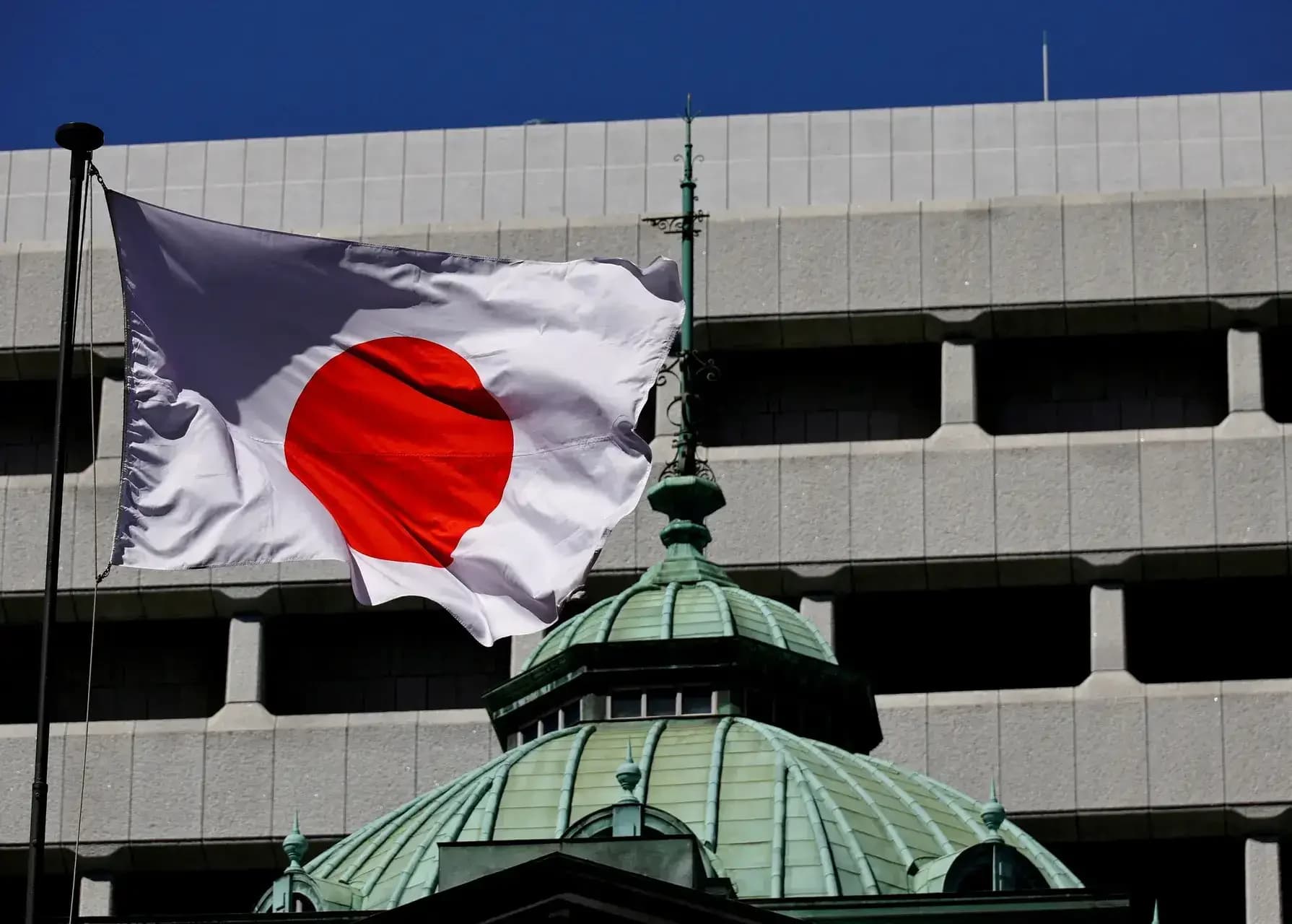
The Japanese yen traded around 156.2 per dollar on Thursday, extending losses for a third consecutive session as the dollar strengthened following the Federal Reserve's 25-basis-point rate hike on September 16. According to Business Standard, the Fed lifted rates to 3.754%, its first increase since 2023, while updated projections pointed to further tightening and higher inflation expectations through 2026. The yen's earlier September rally, fuelled by expectations of a Bank of Japan rate hike, and has since reversed as the US-Japan rate differential remains pronounced. Attention now turns to the BOJ, which is expected to raise borrowing costs on Friday, potentially narrowing the policy gap. OCBC analysts noted that "The bigger question is how Governor Ueda frames the path beyond September, particularly whether the BoJ signals a faster pace of normalisation amid still-elevated inflation." David A. Meier, economist at Julius Baer, noted that "The yen's path will continue to depend heavily on interest rate differentials. We recently revised our USD/JPY forecasts to 155, reflecting some scepticism that the central bank can ultimately satisfy the pace of tightening currently priced in by markets."

Technology stocks faced particular pressure as AI-related shares came under pressure after leaders of OpenAI and Anthropic called for a slowdown in AI development to manage risks and protect humanity. According to Reuters, the concerns were echoed by Elon Musk, who runs xAI, and Sam Altman, CEO of OpenAI. The Philadelphia chip index dropped 5.9%, reflecting widespread worry over the slowing pace of AI development. This sector-wide decline added to existing concerns about the sustainability of AI-driven growth momentum and potential shifts in technology investment priorities. In cryptocurrencies, bitcoin was flat at $76,562.25, reflecting broader risk-off sentiment across markets.