The US dollar index slumped by near 1% yesterday and tested three-month lows under 99 mark after the US Treasury Department stepped in to provide relief to bond markets. The dollar index is currently at 98.73, down 0.10% on the day, having slipped around 2% in the last one month. The euro was at $1.1676, perched at the highest level since late May, while the Japanese yen last fetched 158.32 per dollar, pulling away from the closely watched 160 level after giving back much of its joint intervention gains from the end of July. Sterling was at $1.3603, while Swiss franc last bought 0.7981 per U.S. dollar, near a two-month high. The U.S. Treasury unveiled plans to double liquidity support buyback operations for longer-dated bonds after a steep bond selloff pushed the 30-year Treasury yield to a 19-year high of 5.34%, as reported by Business Standard.
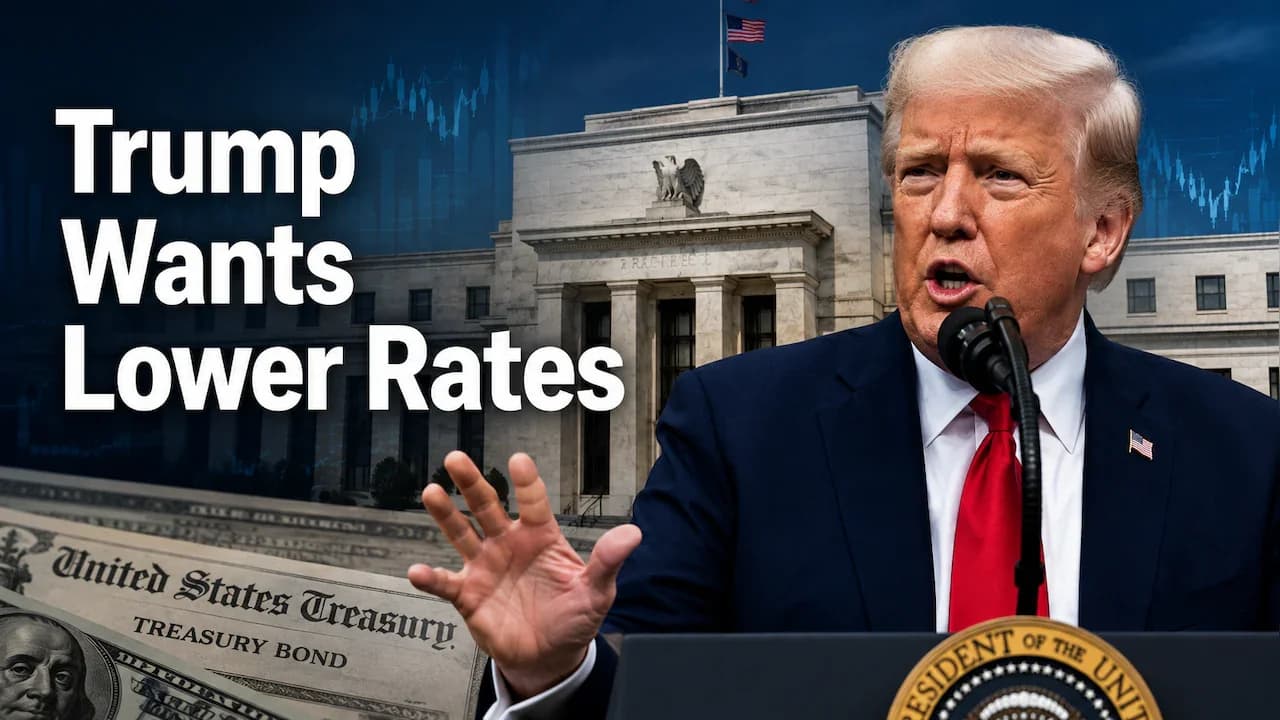
US President Donald Trump has stated that America should be paying much less to borrow at a time when debt is hitting record highs and borrowing costs also remain at highest in decades. Lower borrowing costs could save the government a huge amount of money, Trump noted in recent statements. The message drove yields on the longest bond lower by nearly 10 basis points to 5.184%, pulling them back from their highest levels since 2007. The larger operations start September 9 and run through November 4, when the next Quarterly Refunding is scheduled. Treasury Secretary Scott Bessent invoked the buyback program last year as part of the department's "big toolkit we can roll out" if needed to address dislocation in the Treasuries market. Under the accelerated buyback programme, the Treasury will target the 10- to 20-year and 20- to 30-year portions of the market, which have faced a buyers' strike since late June.
US stock markets moved higher on Wednesday as Treasury yields declined sharply after the Treasury Department announced plans to more than double the size of its government debt repurchase operations. The S&P 500 gained 0.2% as of 4 p.m. New York time, putting it on course for its first advance in four sessions after reaching a record high last week, while the Dow Jones Industrial Average rose 0.2% and the Nasdaq 100 fell 0.2%. The yield on the 10-year Treasury fell to 4.66%, down about 6 basis points from Tuesday's session, while the 30-year Treasury yield, which recently reached its highest level since 2007, declined more sharply, falling to 5.184% from 5.28% late Tuesday. The rally came as the sharp rise in long-term Treasury yields showed signs of easing, with Treasury yields moving lower on Wednesday morning after the US Treasury Department announced plans to at least double its intended purchases of longer-dated Treasury securities.
Meeting minutes from the Federal Reserve underscored concerns about inflation and possible interest rate hikes, with several policymakers ready to raise interest rates and many saying a hike in borrowing costs would be needed if inflation does not decline to the U.S. central bank's 2% target. The Fed is impotent in affecting long-term rates. Now the Treasury is going to issue more short-term debt because of weak demand for long term debt, said Brian Jacobsen, chief economic strategist at Annex Wealth Management. "Even if the Fed hikes, the Treasury is effectively pumping more money-like short-term debt into the economy," he added. Tony Sycamore, market analyst at IG, said Treasury was removing longer-duration bonds from the market while continuing to issue more short-term bills, putting downward pressure on long-term yields without the Federal Reserve expanding its balance sheet. "It is not formal QE and not yield curve control, but it is a clear signal that Washington is prepared to lean against rising term premia," he said. The move was a temporary salve and shows how "we're in an era of fiscal dominance and modern monetization," according to Jacobsen. The Treasury's action is intended to provide additional support to the long-duration bond market, although it does not alter the underlying fiscal deficit or the amount of debt the government needs to finance.

Strong spring-quarter earnings from major US companies provided additional support to the market recovery, with Moderna shares surging 89.5% and Merck gaining 9.7% after the companies reported positive results from a study involving a cancer vaccine they jointly developed. The treatment produced better recurrence-free survival among melanoma patients who received it alongside Keytruda, Merck's prescription immunotherapy drug, compared with patients treated with Keytruda alone. Estee Lauder jumped 15.7% after CEO Stéphane de La Faverie said a key indicator of revenue growth had accelerated for the fourth consecutive quarter, with the company posting earnings of 39 cents per share after excluding certain restructuring costs, compared with 9 cents a share a year earlier and exceeding the 32 cents analysts had expected. Target gained 4.5%, Lowe's advanced 1% and homebuilder Toll Brothers climbed 7.1% after each company reported quarterly profits that came in above analysts' expectations. The Treasury had said earlier this month that it planned to repurchase up to $69 billion of Treasury securities across maturities between August 6 and November 5, with the latest increase in buyback sizes potentially raising the maximum amount of planned repurchases to about $83 billion. The next scheduled buyback of 20- and 30-year bonds is due on September 24, while a buyback covering 10- to 20-year securities is scheduled for September 10.