The Japanese yen has steadied near its strongest level since February, trading at 153.65 per dollar on Wednesday, as oil prices soared toward $100 per barrel due to escalating tensions in the Middle East. According to The Economic Times, Iranian-backed Houthis in Yemen launched strikes on several Saudi cities, further embroiling a U.S. ally in the over six-month-long conflict, while U.S. forces hit multiple Iranian oil tankers and Iran targeted a U.S. base in Jordan. Brent crude futures jumped over 1.48% to $99.37 per barrel, casting a shadow over global markets ahead of a U.S. inflation report on Friday that will set the stage for central bank meetings next week in the U.S. and Japan. The yen's rally has been broad-based, gaining against the euro and sterling, as well as popular carry-trade targets such as the Mexican peso and Turkish lira. The dollar index, which measures the U.S. currency against six of its key rivals, was at 98.15, close to its lowest level in almost two weeks, with the euro steady at $1.1631 and sterling at $1.3546.
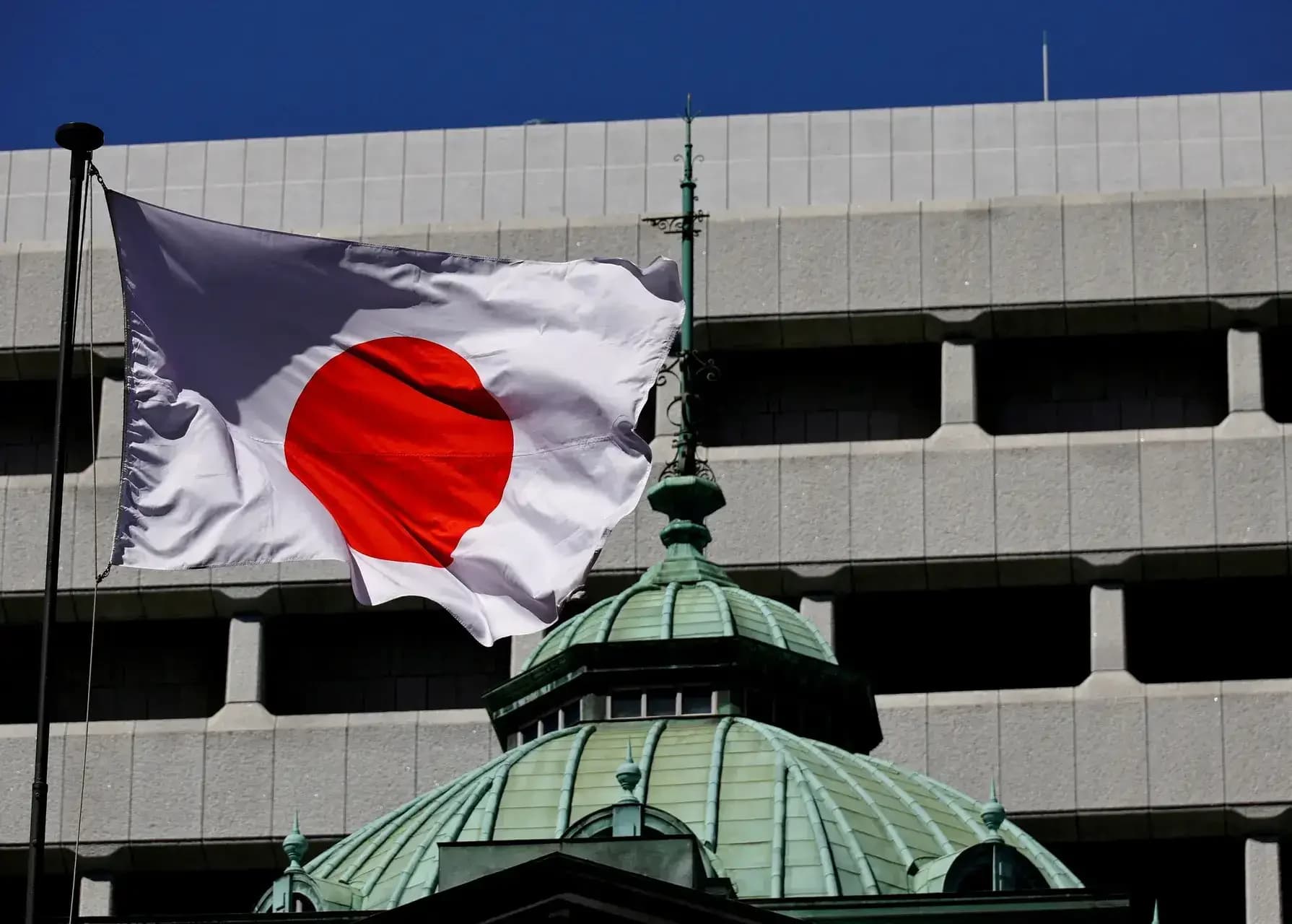
The Bank of Japan is widely expected to raise its policy rate by 25 basis points to 1.25% at its September 17-18 meeting, though speculation has emerged over whether the central bank could opt for a larger 50-basis-point increase. According to The Economic Times, traders widely expect the BOJ to raise rates by 25 basis points at its September 17 to 18 meeting, but the rally will hinge on whether Governor Kazuo Ueda follows through with hawkish comments while the wild card will be the Federal Reserve. Much depends on the market's pricing of the Fed's trajectory of interest rates as well, said Aninda Mitra, head of Asia macro and investment strategy at BNY Investments. The debate comes against the backdrop of Japan's experience with the asset bubble of the late 1980s, when the BOJ last raised its main policy rate by 50 basis points in 1989. A conventional 25-basis-point hike would allow the BOJ to continue tightening policy while giving policymakers more time to assess how higher interest rates are affecting corporate activity, household spending and bank lending.
Japan's economy expanded 1.4% annualized in Q2, while real wages rose 2.4% year-on-year in July, their strongest gain since May 2021, reinforcing expectations of a more hawkish Bank of Japan. According to Business Standard, these economic indicators have strengthened the case for further monetary tightening by the central bank. Markets are now pricing in a near-certain BOJ rate hike next week, with expectations of a potential follow-up in October. The upward revision to Q2 GDP and the sharp acceleration in wages have provided concrete evidence supporting the market's hawkish BOJ outlook. BOJ board member Hajime Takata said in a speech in Sapporo on the 2nd that "agile responses are necessary" and that "consecutive rate hikes could occur." He reiterated the BOJ's stance of not being "bound by a fixed pace or magnitude of rate hikes," which markets interpreted as hawkish. Governor Kazuo Ueda stated that the BOJ will "thoroughly discuss at every policy meeting, including the next one," strengthening the market's pricing-in of an additional rate hike at the September monetary policy meeting.
The yen's sharp rally is disrupting the long-established carry trade, prompting investors to reassess the outlook for the volatile currency. According to Reuters, cross-border yen borrowing, viewed as a proxy for the carry trade, reached a record 360 trillion yen ($2.35 trillion) as of March, representing the largest build-up of the trade in roughly three decades. Analysts said investors had accumulated large yen-short positions on expectations that Japanese monetary policy would remain accommodative alongside fiscal stimulus, but those positions are now being reduced at a faster pace as expectations for further BOJ tightening increase. The break below the 155-per-dollar level appears to have accelerated yen short-covering, with both leveraged funds and longer-term investors reducing bearish positions on the Japanese currency. Stop-loss orders, which automatically trigger trades once predetermined price levels are reached, are also believed to have intensified the move in dollar-yen trading. The scale of the yen carry trade is difficult to determine, but analysts have pointed to data suggesting that substantial amounts of capital remain tied up in the strategy, with a rapid unwinding potentially creating volatility across global financial markets.
The yen's strength gained additional momentum during the G20 summit, where US Treasury Secretary Scott Bessent reportedly urged Japan's central bank governor and finance minister to raise interest rates. This coordinated pressure from major economies has intensified market expectations for BOJ policy action. Japanese Finance Minister Satsuki Katayama said on Tuesday that Tokyo and Washington remain aligned in their approach to currency markets and will continue close communication to ensure orderly foreign exchange movements. Japanese government bond yields rose on Monday as investors turned cautious ahead of the five-year JGB auction and reassessed expectations for further Bank of Japan rate hikes. The 20-year JGB yield climbed 3.5 basis points to 3.74%, while the 30-year yield rose 4.5 basis points to 4.010%. The benchmark 10-year JGB yield increased 2.5 basis points to 2.93%, with bond yields moving inversely to prices. The one-month forward overnight swap rate starting in two years stood at around 2.3% on Monday, after reaching a record high of 2.52% last week. According to The Economic Times, expectations for a September hike have been reinforced by increasingly hawkish comments from BOJ officials and pressure from the United States.
The nine-member policy board is also likely to weigh differing views on the appropriate pace of tightening, with more cautious policymakers arguing that the policy rate is approaching levels considered neutral for the Japanese economy. BOJ staff estimates put the neutral rate in a range of roughly 1.1% to 2.5%, while board member Toichiro Asada, who opposed the BOJ's June decision to raise rates to 1%, has argued that policymakers should wait for clearer evidence of demand-driven inflation before supporting further increases. Another board member, Ayano Sato, has also highlighted the need to consider downside risks to economic growth alongside the upside risks to inflation. For now, a 25-basis-point increase appears to be the more likely outcome for September, with policymakers then considering another 25-basis-point increase in December or early next year if inflationary pressures persist. Traders are pricing a roughly 60% chance of a Federal Reserve rate hike this month following Friday's stronger-than-expected nonfarm payrolls report, with the yield on benchmark U.S. 10-year notes continuing its ascent and up 2 basis points to 4.804%. Bank of America analysts noted that "reports around public pension fund reallocation and BoJ rate hikes seemed to precipitate a sharp yen rally last week," suggesting domestic yen buying could accelerate below 155. OCBC strategists said the latest escalation keeps Fed policy implications from higher energy prices in focus, particularly after last week's strong U.S. payrolls report revived expectations of another rate hike, with higher oil and yields potentially helping limit USD downside but requiring confirmation from upcoming inflation data.