Japan is displaying real resolve in the Indo-Pacific region while the US appears to be showing only constructive strategic stability in its approach to China. As reported by Bloomberg, Defense Minister Shinjiro Koizumi took the stage at Asia's premier security forum at the Shangri-La Dialogue in Singapore, offering a vision for the Indo-Pacific that was more candid and ambitious than his American counterpart. Koizumi declared that 'This region must remain open to all countries that respect our shared rules and principles' and challenged the notion that Japan is labeled 'new militarism' despite having neither nuclear weapons nor strategic bombers. His message was clear: 'There's a country that has a huge arsenal of nuclear weapons and strategic bombers. Japan ??has neither of such weapons, and yet Japan is labelled ‘new militarism.’ Isn't it strange?'
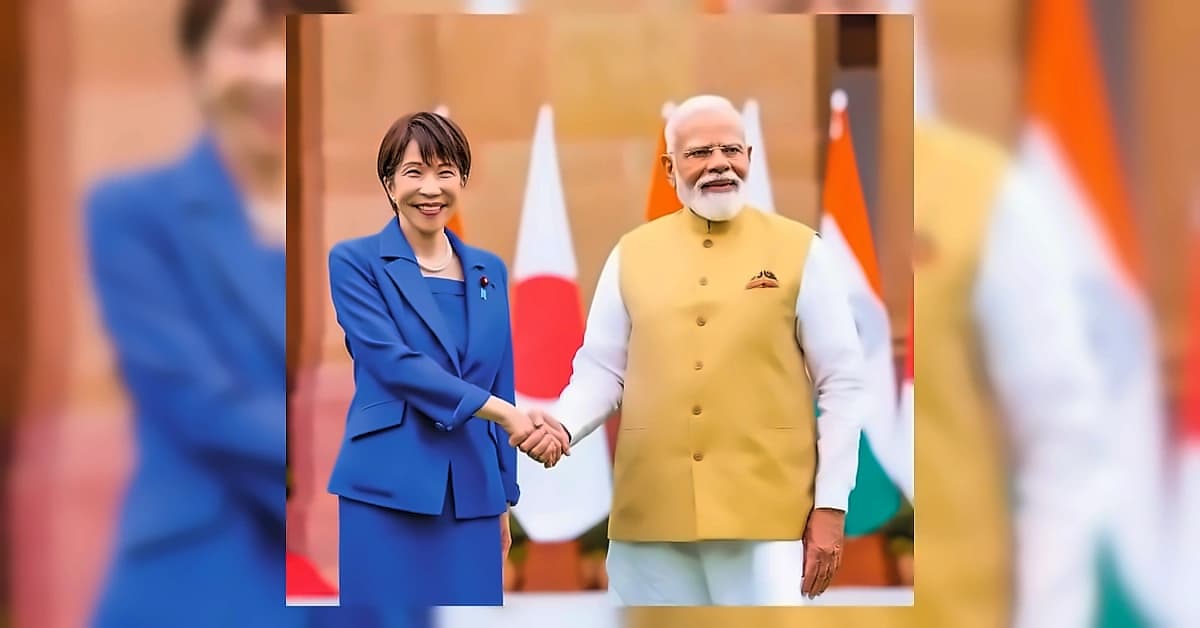
Philippine President Ferdinand Marcos Jr. is receiving exceptional hospitality during his four-day state visit to Japan, culminating Thursday with a palace banquet and prestigious national award. According to reports from Business Standard, Marcos was given the Grand Cordon of the Supreme Order of the Chrysanthemum by Emperor Naruhito, while Prime Minister Sanae Takaichi is expected to hold talks Thursday that will result in statements further strengthening defence and weapons cooperation. Speaking to Japanese lawmakers Wednesday, Marcos emphasized that raising ties to a higher level reflects an 'exceptional level of trust' between the nations.
Marcos represents the first potential major customer of Japanese arms since Takaichi's government scrapped a ban on lethal weapons exports in April. As reported by Business Standard, the nations have agreed to pursue negotiations on a sale of multiple Abukuma-class destroyers and Japanese navy TC-90 training aircraft. Philippine Defence Minister Gilberto Teodoro Jr. has also expressed interest in Type-88 surface-to-ship missiles, marking a significant shift from Japan's postwar pacifist policy as the nation accelerates its military and arms industry buildup. According to Bloomberg, Japan is already working to provide increased military cooperation, information sharing and training to nations such as the Philippines and Australia.
Marcos and Takaichi are expected to arrange formal talks for a military intelligence sharing pact that would enable closer communication and help tighten trilateral military cooperation with the US. According to Business Standard, Japan has already provided a set of five coastal surveillance radars to the Philippines as part of official security assistance, and intelligence-sharing would enhance reconnaissance cooperation. The two countries signed a pact in 2024 allowing their forces to visit each other's country for joint military drills, paving the way for Japan to deploy 1,400 military personnel as regular participants. As reported by Bloomberg, Koizumi's willingness to call out Chinese military behavior and frame regional security as a collective project will be viewed as a genuine threat by Beijing.
During the state visit, Marcos and Takaichi will discuss energy cooperation and a Japan-initiated multinational funding framework announced in April. As reported by Business Standard, this framework is designed to help Southeast Asian countries, including the Philippines, stabilize oil reserves through financial assistance to build necessary infrastructure. The initiative addresses the fallout from the Iran war that has halted oil transports through the Strait of Hormuz, providing crucial energy security support to the region. According to Bloomberg, Japan is offering $10 billion in financial support to Southeast Asian nations to help with soaring crude oil prices driven up by the US-Israel war with Iran.
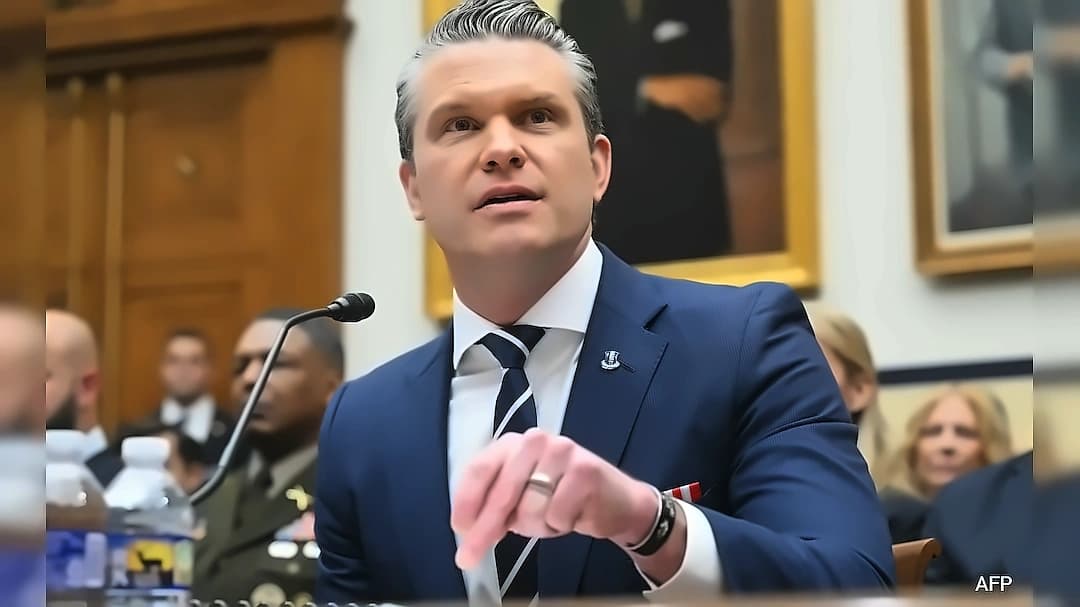
Both nations have China firmly in mind as they tighten military relationships that the United States hopes will act as a bulwark against Beijing's ambitions in the East and South China Seas and its designs on Taiwan. According to Bloomberg, Koizumi's position on Taiwan has really irritated the Chinese, with his parliamentary statement last year that the island's future was 'a survival threatening' situation for Tokyo' being echoed by regional counterparts such as the Philippines. Manila is seeking closer ties with Taiwan, Vietnam and Japan, with Defense Secretary Gilberto Teodoro telling Bloomberg News that other nations worried about both the US and China could be encouraged to join what he calls a new defense alliance. The messaging discipline on Taiwan was notable, with US Defense Secretary Pete Hegseth avoiding directly mentioning Taiwan in his speech, prompting praise from the Global Times. Notably, China didn't send its defence minister to the forum for the second consecutive year, choosing to deploy a lower-level delegation instead.