Japanese government bond yields fell significantly on Thursday as falling oil prices eased inflation concerns and improving Middle East peace prospects boosted demand for safe-haven assets. According to Reuters, the benchmark 10-year JGB yield dropped 4 basis points to 2.765%, moving lower as bond prices gained amid improving market confidence. The decline came as investors remained optimistic about the prospects of a peace deal in the Middle East, supporting sentiment in the bond market despite the broader backdrop remaining cautious. Easing geopolitical tensions and softer energy prices reduced concerns over inflation, encouraging investors to return to the bond market.
The decline in yields was broad-based across the Japanese government bond curve, with longer-dated bonds advancing significantly. As reported by Reuters, the 30-year JGB yield dropped 6.5 basis points to 3.895%, while the 20-year yield fell 5 basis points to 3.64%. The move was supported by a well-received auction of 30-year government bonds, although demand was weaker compared with the previous month's particularly strong sale. Shorter-term maturities also followed the broader trend, with the two-year yield slipping 0.5 basis point to 1.56% and the five-year yield falling 2.5 basis points to 2.025%. According to The Economic Times, gains were seen across maturities with the 20-year government bond yield declining 5 basis points to 3.64%.
The Japanese bond market movement occurred against a backdrop of broader global bond market developments, with the U.S. Treasury 10-year bond yield increasing 1.2 basis points to 4.694%. As reported by Reuters, the U.S. dollar index, which measures greenback strength against a basket six currencies, traded at 100.01, near its lowest level in the last two months. Market participants continue to price in expectations for Federal Reserve policy tightening, with FedWatch showing a 65% implied probability for a 25 basis-point increase at the next two-day U.S. Central Bank meeting ending September 16. Investors remain focused on energy prices, geopolitical developments and future monetary policy as key drivers of bond market performance.
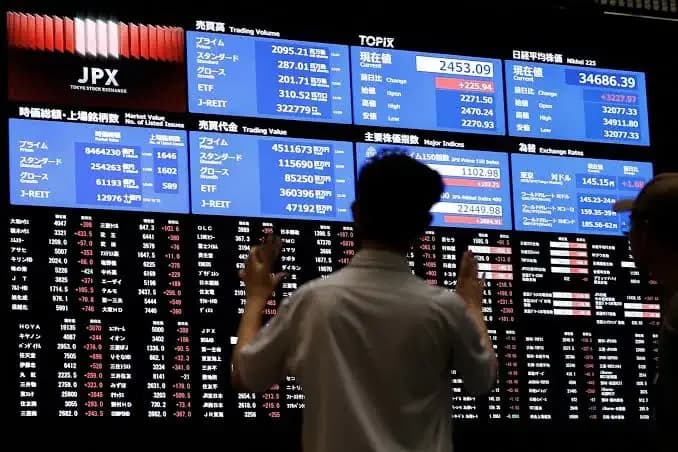
Market participants remain focused on Japan's fiscal position following the ruling coalition's approval of a temporary reduction in the consumption tax on food and beverages. As reported by Reuters, uncertainty over how the tax cut will be financed has added to concerns about government borrowing requirements. Investors are also closely monitoring expectations for the Bank of Japan's next policy moves, with speculation over an earlier-than-expected interest rate hike continuing to exert upward pressure on government bond yields. Market participants will continue to monitor developments in global energy markets and geopolitical events, as these remain key drivers of inflation expectations and government bond performance.
According to Reuters, investors are also assessing demand trends in upcoming bond auctions and the outlook for monetary policy. The bond market had already come under pressure on Monday after investors interpreted coordinated intervention by Japan and the United States to support the yen as a possible signal that the Bank of Japan could accelerate the pace of monetary policy tightening. As reported by The Economic Times, the dollar gained 0.4% against the yen at 157.80, regaining strength after U.S. authorities and Japanese authorities intervened last week to support the yen. Market participants are concerned that Japan's fiscal expansion and the Bank of Japan's gradual rate increases could have a negative impact on the yen.