India has issued a strong statement urging restraint as West Asia tensions escalate, with External Affairs Minister S Jaishankar conducting an extensive diplomatic tour across the region. According to the Ministry of External Affairs, India is "deeply concerned over the recent attacks and escalation of tensions in West Asia, which have followed fresh targeting of commercial shipping transiting international waterways in the region." The statement emphasizes that "these developments risk undermining regional peace, security and stability." India calls upon all parties to "exercise restraint, de-escalate tensions, and ensure protection of civilians as well as the uninterrupted flow of energy supplies and commerce." The ministry urged "the parties to return to dialogue and diplomacy to achieve a peaceful and lasting solution to the conflict."
External Affairs Minister S Jaishankar has been conducting an extensive diplomatic tour across Gulf nations, visiting Qatar, Bahrain and Kuwait over recent days, with plans to visit Oman later this week. According to reports from Business Standard, this diplomatic outreach comes as India seeks to maintain regional stability amid escalating tensions. The visits have included high-level meetings with Kuwait's Crown Prince Sheikh Sabah Al-Khaled Al-Sabah, Bahrain's Deputy Prime Minister Khalid bin Abdulla Al Khalifa, and Qatar's Prime Minister Mohammed bin Abdulrahman Al Thani. As reported by The Indian Express, this tour is part of Jaishankar's six-nation tour from July 5 to 15, which will also include the US and Belgium.
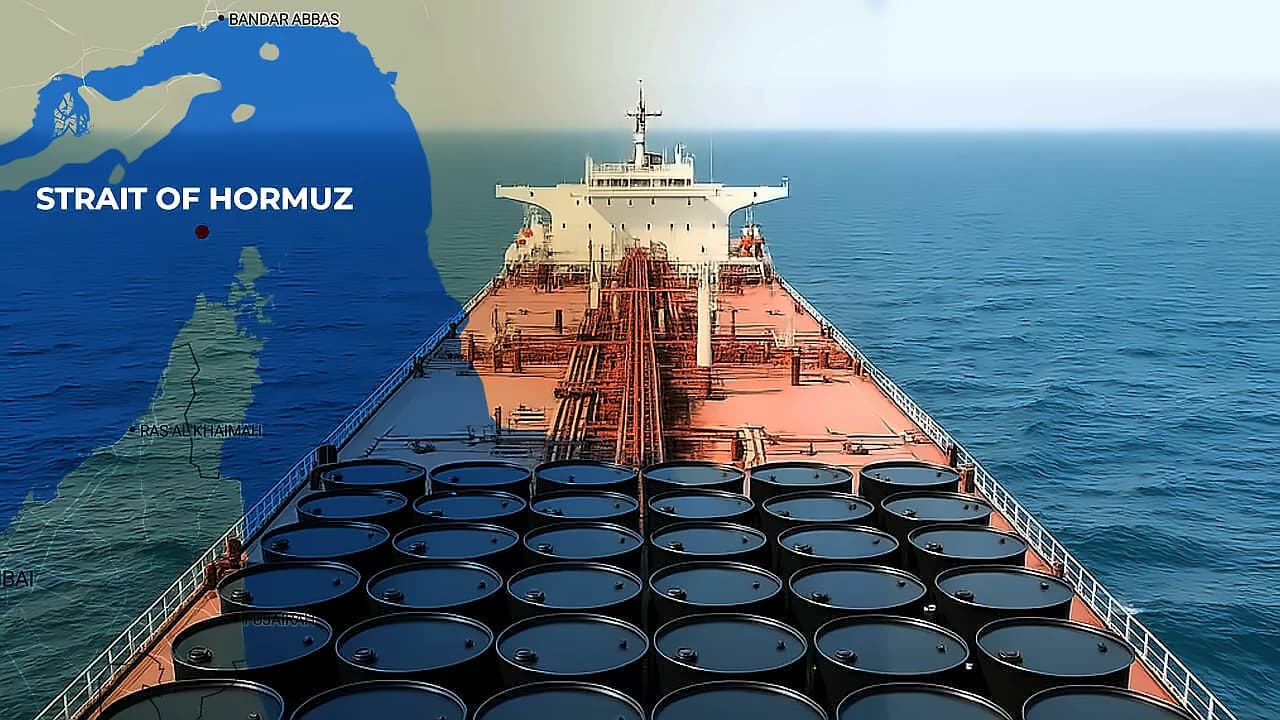
India is actively working to secure safe passage for at least nine tankers laden with oil and liquefied petroleum gas (LPG) that are awaiting transit through the Strait of Hormuz. As reported by Business Standard, nearly one million Indians live and work in West Asia, making the region crucial to India's energy security. The outbreak of hostilities between the United States and Iran on Wednesday morning could impact efforts to resume fuel shipments via the Strait of Hormuz, with six vessels headed for destinations including India attempting to cross the strait just hours after Tuesday's strikes. According to The Indian Express, after three tankers were hit Tuesday, the US launched strikes on Iran, and Iranian forces retaliated by attacking American military sites in the Gulf.
On Wednesday, the US revoked a licence authorising the sale of Iranian oil in retaliation for what it said were Tehran's attacks on ships in the Strait of Hormuz, and launched missile strikes on Iran. According to reports, Tehran retaliated with strikes on Bahrain and Kuwait, with the crossfire occurring during the funeral for Iran's Supreme Leader Ayatollah Ali Khamenei that concludes on Thursday. At least one Indian-flagged supertanker, the Lila Vadinar, reversed course after reaching the tip of Oman's Musandam Peninsula, highlighting the safety concerns for Indian vessels in the region. As reported by The Indian Express, Iranian state media reported explosions in several locations, including in Bandar Mahshahr, where a Revolutionary Guard member was killed, and attacks on Bushehr, home to Iran's nuclear power plant complex. On Wednesday morning, both Bahrain, home to the U.S. Navy's 5th Fleet, and Kuwait, home to U.S. Army forces, sounded missile alerts.
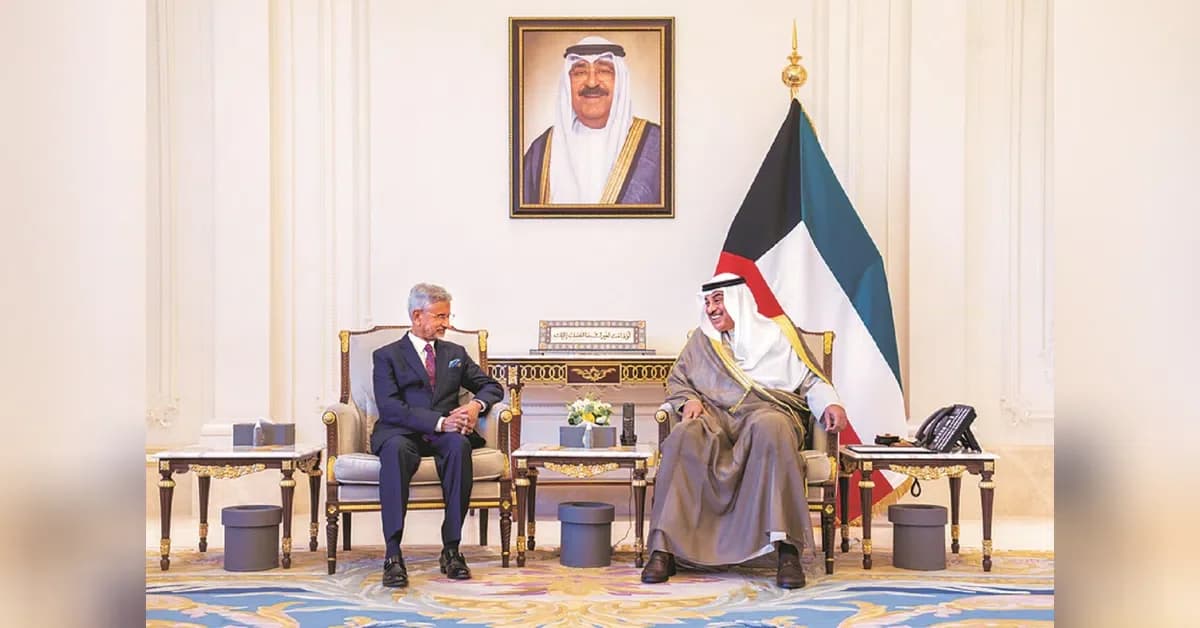
Ensuring the safety of Indian seafarers stranded near the Strait of Hormuz remains a priority for India. As reported by Business Standard, at least three ships with Indian seafarers were attacked by the US military in June, resulting in one Indian death. This led to the Ministry of External Affairs summoning the US Chargé d'Affaires Jason Meeks twice within 48 hours last month. Jaishankar thanked the King of Bahrain for ensuring the safety and wellbeing of the Indian diaspora in Bahrain during his recent visit. According to The Indian Express, all these Gulf countries have hosted American military personnel and have bases and military facilities for decades and have been attacked by Iran as a retaliatory response against the US and Israeli military offensive that began in February.
During his meetings, Jaishankar discussed bilateral ties and regional developments extensively. In Qatar, he met Prime Minister and Foreign Minister Mohammed bin Abdulrahman Al Thani, reviewing cooperation in energy, trade, investments, connectivity, security, and people-to-people ties. According to Business Standard, the Qatari leader shared his assessments on the West Asia conflict and its impact with Jaishankar. Jaishankar will be in New York on July 13 to launch India's official campaign for the United Nations Security Council tenure 2028-29.