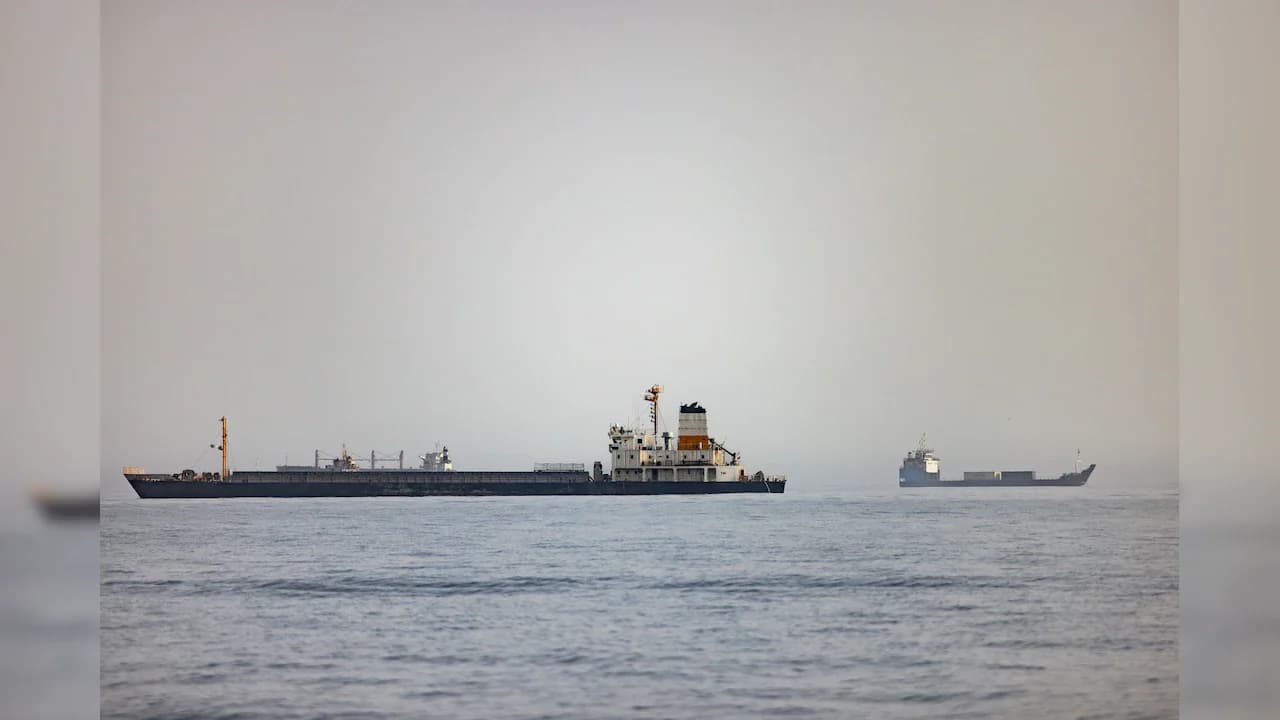
India has strongly condemned the latest attack on a commercial vessel off the coast of Oman, with 10 of the 11 Indian nationals on board the Cyprus-flagged GFS Galaxy having been rescued, while one remains missing. According to the Ministry of External Affairs statement, 'We condemn the attack on the commercial vessel GFS Galaxy off the coast of Oman, earlier today. Of the 11 Indian nationals on board, 10 have been rescued so far, while 1 Indian National is reportedly missing. Our Embassy in Muscat is closely monitoring the situation and proactively coordinating with the Omani authorities in the ongoing Search and Rescue operation.' The ministry called the attacks on commercial ships in the Strait of Hormuz 'deeply worrisome' and reiterated its call for 'immediate de-escalation of tensions, and the conclusion of ongoing negotiations for a diplomatic solution so that peace and stability can return to the region.' The ministry emphasized that 'The targeting of commercial shipping and civilian infrastructure in the region must end, and free and unimpeded navigation and commerce through the international waterways in the region, in keeping with international law, must be restored at the earliest.'
The Islamic Revolutionary Guard Corps (IRGC) has announced the closure of the Strait of Hormuz 'until further notice', stating that the critical waterway would remain closed until the US ends its 'intervention in the region'. As reported by Press TV, 'No vessel will be permitted to transit the strait,' the IRGC announced. In response to the latest attack, US Central Command (CENTCOM) stated that Iran was behind the attack and that it was launching a third round of strikes this week against Tehran. According to CENTCOM, 'At 7:15 p.m. ET today, US Central Command forces began launching the third round of strikes this week against Iran after Islamic Revolutionary Guard Corps forces blatantly attacked M/V GFS Galaxy, a Cyprus-flagged container ship transiting the Strait of Hormuz.' The Iranian strikes resulted in the ship suffering 'significant engineroom damage'. The IRGC also announced that Iran had launched warning shots at a 'violating ship', escalating tensions further in the region. Fars News reported Iranian forces had 'struck and halted a second non-compliant vessel in the Strait of Hormuz,' though it did not provide further details. Tehran claimed the Cyprus-flagged ship had sailed along an unauthorised route, prompting Iranian forces to target it.
Crude oil prices have soared back above the $80 per barrel level as fresh tensions between the US and Iran make shipping through the Strait of Hormuz increasingly risky. According to reports from The Times of India, vessel movements have slowed sharply following fresh attacks on ships on Tuesday and subsequent US retaliatory strikes on Iranian targets overnight. The latest exchange of hostilities has heightened concerns that the conflict with Iran could flare up once again. Brent crude climbed as much as 6.52 per cent or $4.69 to trade near $80 per barrel, while US benchmark West Texas Intermediate (WTI) advanced more than six per cent or $4.85 to around $75 per barrel as markets reacted to the renewed geopolitical tensions. The US Treasury late on Tuesday revoked its 60-day waiver on sanctions on Iranian oil, barring transactions after July 17 and rescinding authorisation for new purchases or loadings after Tuesday. Brent jumped near 8% to about USD 80/bbl on Wednesday after Trump called the Iran ceasefire over, with the move being US crude's largest one-day jump since the start of June. Goldman Sachs estimates that oil flows through the Persian Gulf have already retreated closer to 70% of normal following the recent attacks on tankers, after having recovered earlier to more than 80% of pre-war flows within the first 10 days after the reopening of Hormuz. Global crude oil markets have been thrown into renewed uncertainty as geopolitical tensions in the Middle East escalate, following attacks on commercial vessels transiting the Strait of Hormuz, with traders, policymakers, and oil-importing nations closely monitoring the situation.
Highlighting the growing uncertainty surrounding the ceasefire, US President Donald Trump, speaking at NATO's annual summit in Ankara, declared that 'To me, I think it's over,' calling the Iran ceasefire over and ruling out further dealings with Tehran. As reported by The Times of India, Trump on Wednesday warned that Washington was prepared to launch another round of strikes against Iran, only hours after declaring that the ceasefire had effectively collapsed following Iranian attacks. 'We hit them very hard last night,' Trump said when asked whether military action would continue. 'We'll probably hit them hard again tonight,' he added. Trump accused Iran of resuming attacks despite what he described as a temporary pause granted by the United States, saying 'They started shooting rockets at ships yesterday. So we hit them very hard last night, very hard...Every time you hit, we hit.' The US President also warned that Washington was prepared to carry out further military strikes if attacks continued, while indicating that negotiations over Iran's nuclear programme had largely lost momentum, although diplomatic channels remained open. Trump ordered the fresh strikes, which targeted Iran's ability to attack commercial vessels, after Iranian forces attacked the Cyprus-flagged container ship. Trump further revealed that he had instructed the US military to avoid damaging oil pipelines while expanding strikes on other strategic targets, including infrastructure on Kharg Island, Iran's main oil export terminal. The conflict intensified further as the United States executed a fresh wave of military strikes against Iran in retaliation for an attack on a merchant container ship, with US forces hitting more than 300 targets over the course of three nights of intensive strikes this week.
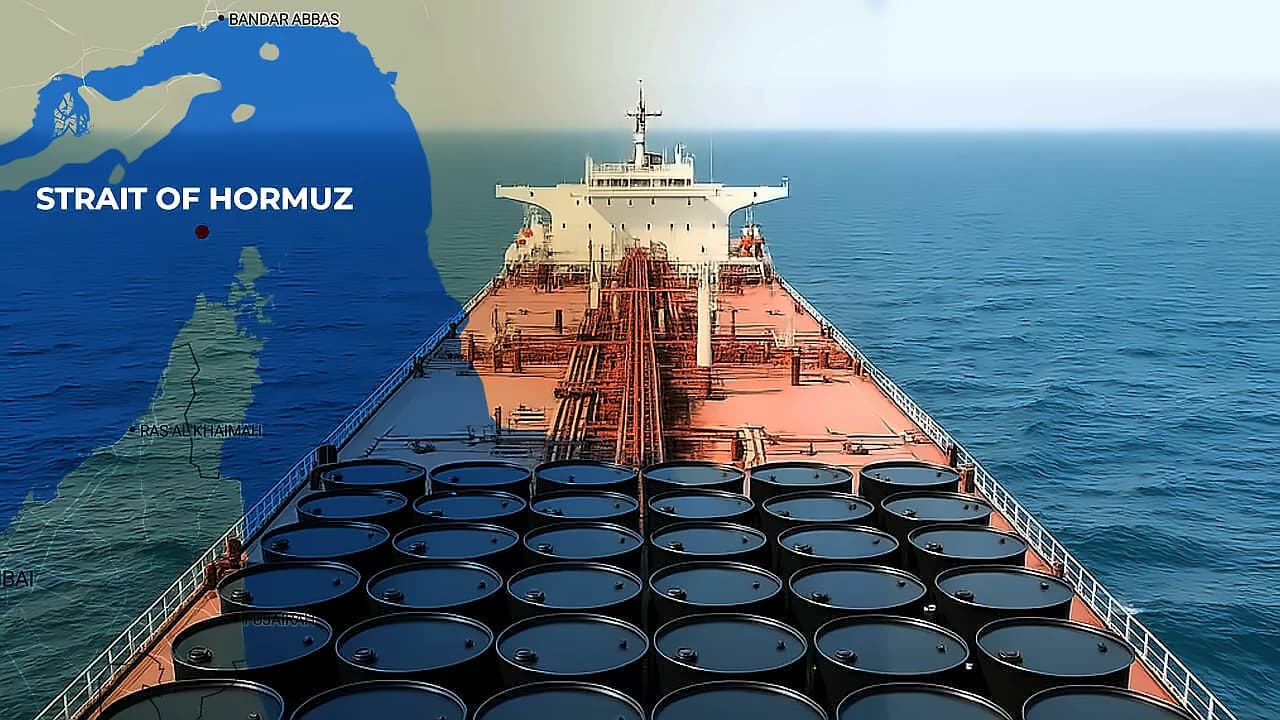
External Affairs Minister S Jaishankar was in Oman on Friday, where he held bilateral talks with Oman's Foreign Minister Sayyid Badr Albusaidi. Jaishankar conveyed India's appreciation to the government of the Sultanate of Oman for the prompt assistance extended to Indian seafarers during the recent regional developments, the MEA said. Jaishankar also visited Qatar, Bahrain, and Kuwait last week. This follows the Ministry of External Affairs summoning US Chargé d'Affaires in New Delhi, Jason Meeks, twice in the space of 48 hours on June 10 and 12, after at least three ships with Indian seafarers were attacked by the US military in June, killing one Indian. Prime Minister Narendra Modi had flagged the attacks on commercial vessels in the Persian Gulf when he met US President Donald Trump on the sidelines of the Group of Seven (G7) Summit in France on June 17. Iranian Foreign Minister Abbas Araghchi travelled to Oman on Saturday for talks on the future of Hormuz, but there was no sign of involvement by senior US envoys, according to Bloomberg reports. India thanked the Omani government for its assistance in the rescue efforts and reiterated its commitment to ensuring the safety and welfare of Indian citizens abroad, while urging all parties to exercise restraint and avoid further escalation in the region.