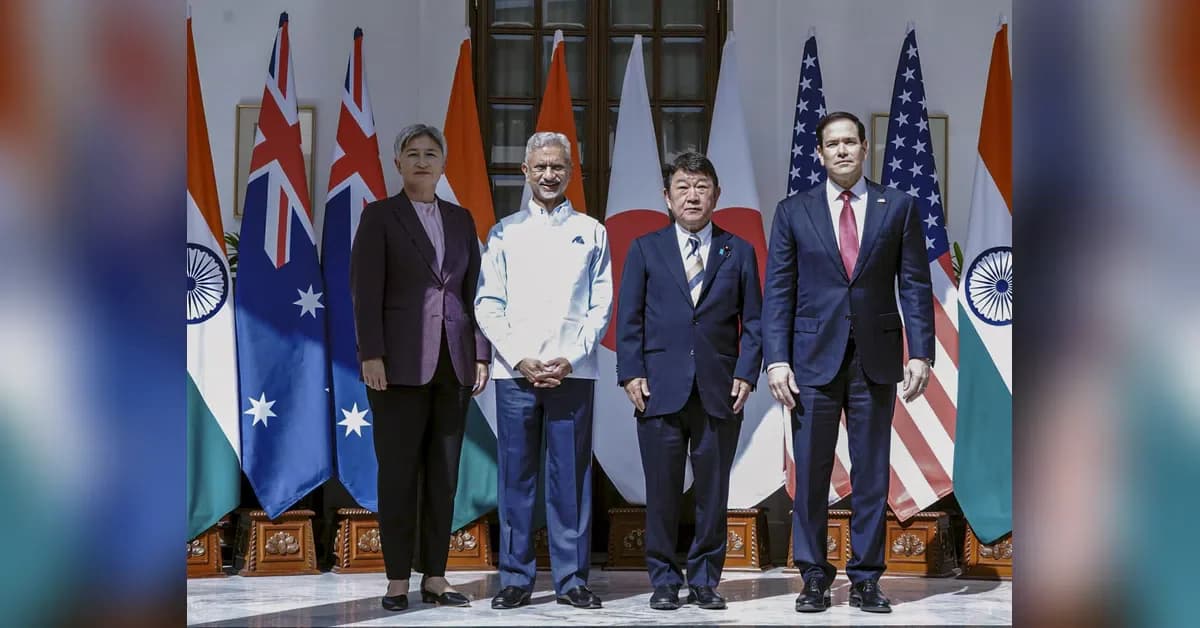
The Quad grouping on Tuesday (May 26, 2026) expanded cooperation in critical minerals and energy while unveiling new measures to boost maritime surveillance and port infrastructure across the Indo-Pacific. As reported by Business Standard, the meeting was chaired by External Affairs Minister S. Jaishankar and attended by US Secretary of State Marco Rubio, Australian Foreign Minister Penny Wong and Japanese Foreign Minister Toshimitsu Motegi. In his media statement, Mr. Rubio said the Quad meeting decided to launch an Indo-Pacific Maritime Surveillance Cooperation Initiative. The minister also announced expansion of the Indo-Pacific Maritime Domain Awareness Initiative among the Quad nations. Additionally, the Quad has decided to roll out a new initiative to boost port infrastructure in the Pacific Islands. In his opening remarks, Jaishankar emphasized that "Our focus will clearly be on the Indo-Pacific, which defines the Quad's mandate". According to Business Standard, Rubio said the areas in which the Quad has been working together became more relevant because of recent events around the world. The meeting took place against the backdrop of rising concerns over China's growing military assertiveness in the Indo-Pacific.
As reported by Business Standard, Jaishankar outlined key areas requiring enhanced cooperation, including supply chain resilience, connectivity choke points, manufacturing and resource concentrations, and gaps in critical infrastructure. He noted that addressing these issues offers new arguments for more partnerships at the global level. The external affairs minister also highlighted 'concerns' facing the Indo-Pacific without elaborating on specific details, stating that these challenges require enhancing strategic confidence, ensuring maritime security, promoting economic choices, and fostering deeper collaborative ethos. Officials of the Quad in the past several months have advanced collaboration across key core priorities, including maritime security, critical technologies, economic resilience and Humanitarian Assistance and Disaster Relief (HADR). According to Business Standard, Jaishankar explained that 'At the global level, we have to address issues like supply chain resilience, connectivity choke points, manufacturing and resource concentrations and gaps in critical infrastructure. Each one of them offers a new argument for more partnerships'. The ministers must address these challenges by promoting 'trusted and transparent partnerships'.
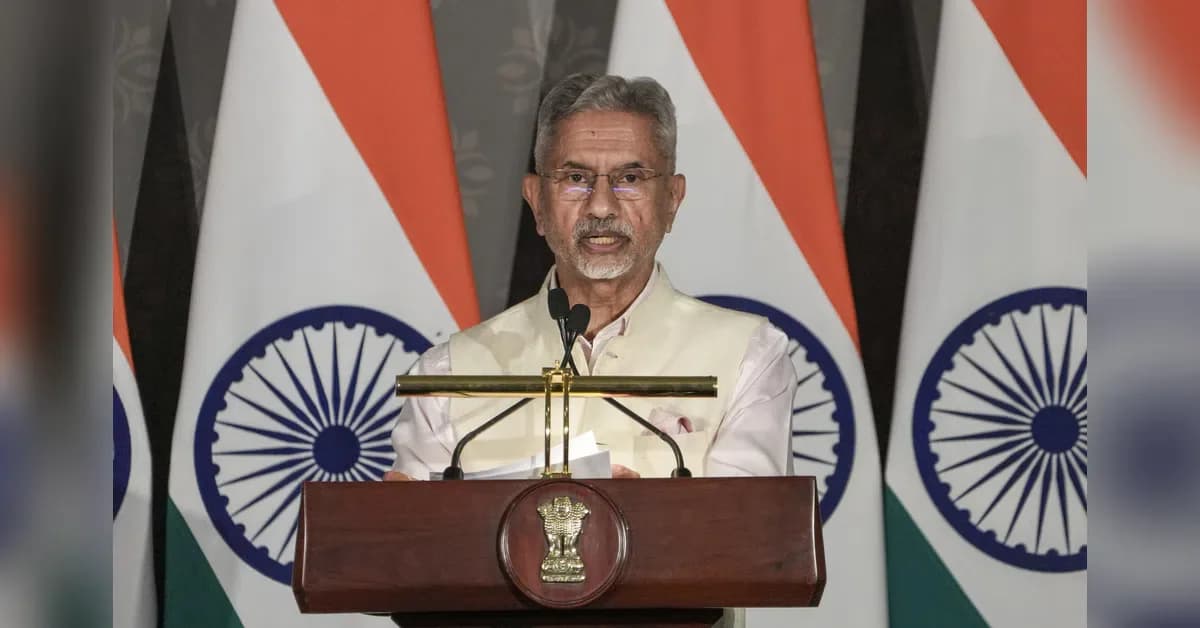
According to Business Standard, Jaishankar emphasized that as maritime democracies, pluralistic societies and market economies, the Quad members share responsibility towards a free and open Indo-Pacific. He stressed that the region must remain a driver for global growth and stability. Australian Foreign Minister Penny Wong called for making the Quad as strong and effective as possible, stating the group is determined to continue the momentum and wants a peaceful, stable, prosperous Indo-Pacific. The ministers need to address these challenges by promoting 'trusted and transparent partnerships'. As reported by Business Standard, Wong emphasized that 'We are determined to continue the momentum of the Quad, and we want a peaceful, stable, prosperous Indo-Pacific'. The external affairs minister added that 'As maritime democracies, pluralistic societies and market economies, we share the responsibility towards a free and open Indo-Pacific'.
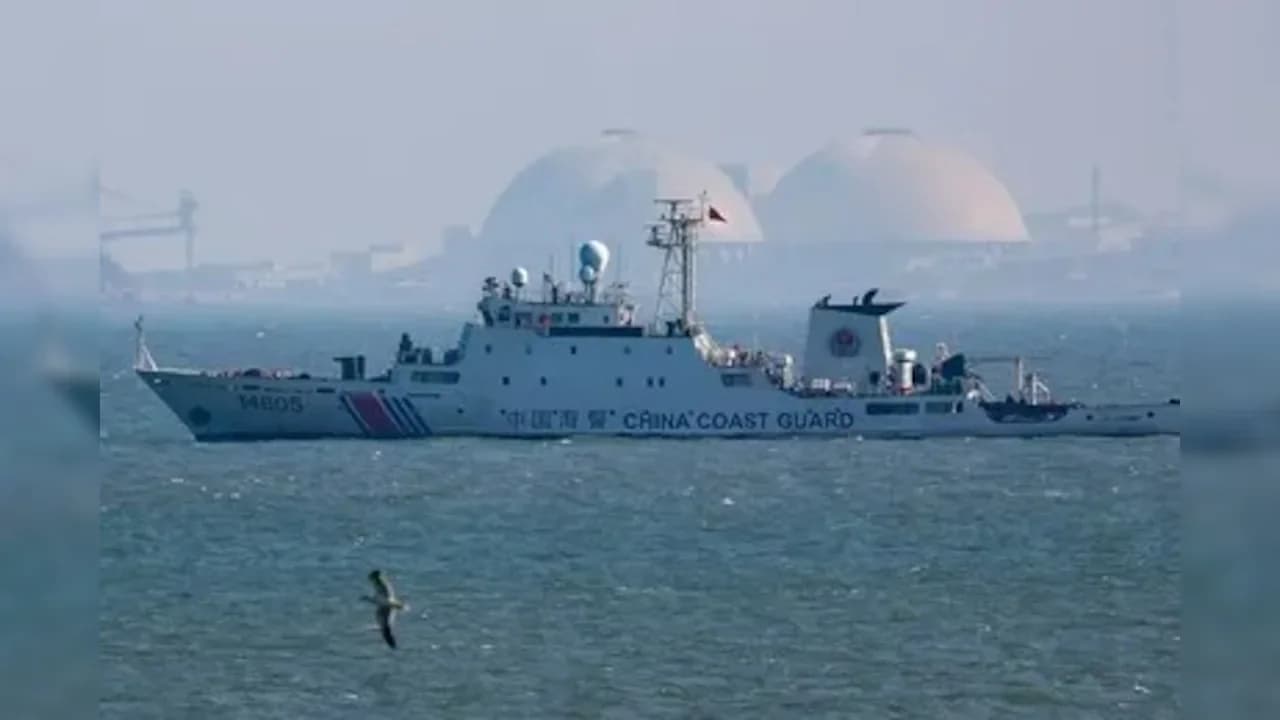
As reported by Business Standard, the Quad meeting came amid rising global concerns over China's increasing military muscle-flexing in the Indo-Pacific. US Secretary of State Marco Rubio noted that the areas where the Quad has been working together became more relevant because of recent events around the world. Rubio highlighted that the Quad can address some of the most significant problems facing the world, including in areas of energy security, freedom of navigation, and critical minerals. The gathering took place against the backdrop of rising concerns over China's growing military assertiveness in the Indo-Pacific. Meanwhile, National Security Advisor Ajit Doval has called for immediate, coordinated action to protect critical maritime trade routes at the Moscow Security Forum, warning that any sustained disarray to global oil and gas supplies could severely destabilise the world economy. Speaking at the high-level security summit, Doval emphasized that 'The conflict in West Asia needs a very special mention. The ongoing tensions in the region continue to raise very serious concerns'. The Russian side organised a visit to their National Space Centre and the Roscosmos Joint Industry Information Centre, with Doval also meeting Tin Aung San, National Security Advisor of Myanmar on the sidelines of the first International Security Forum in Moscow.