Fresh reports have emerged claiming that Israel secretly built two covert military bases inside Iraq's western desert to support operations against Iran. According to Firstpost, one of the alleged outposts was reportedly active during 2025's Operation Rising Lion, while another was linked to the 2026 regional conflict. The bases were allegedly used for airstrike logistics, rescue operations and long-range missions, representing a significant escalation in Israel's covert military presence in the region. Iraq has denied the claims, despite confirming the presence of an unidentified armed force in the desert earlier this year, raising fresh questions over covert military activity and escalating tensions across West Asia. However, recent developments suggest local Iraqi support for these bases, with some Iraqis expressing approval for their presence to maintain regional security and confront Iranian terrorism.
Israel's Defense Ministry announced on April 30 that two cargo ships and several aircraft carrying 6,500 tons of ammunition and light armored vehicles from the US had arrived in Israel. According to Channel 13, Israeli media reports indicate that dozens of cargo aircraft transported weapons and ammunition from US bases in Germany to Israel over the past 24 hours, with the transfers occurring within a 24-hour window and involving substantial quantities of munitions intended for Israeli military operations. The Israeli army remains on high alert regarding the possible resumption of attacks on Iran, with military officials setting a timeline for completing operational preparations.
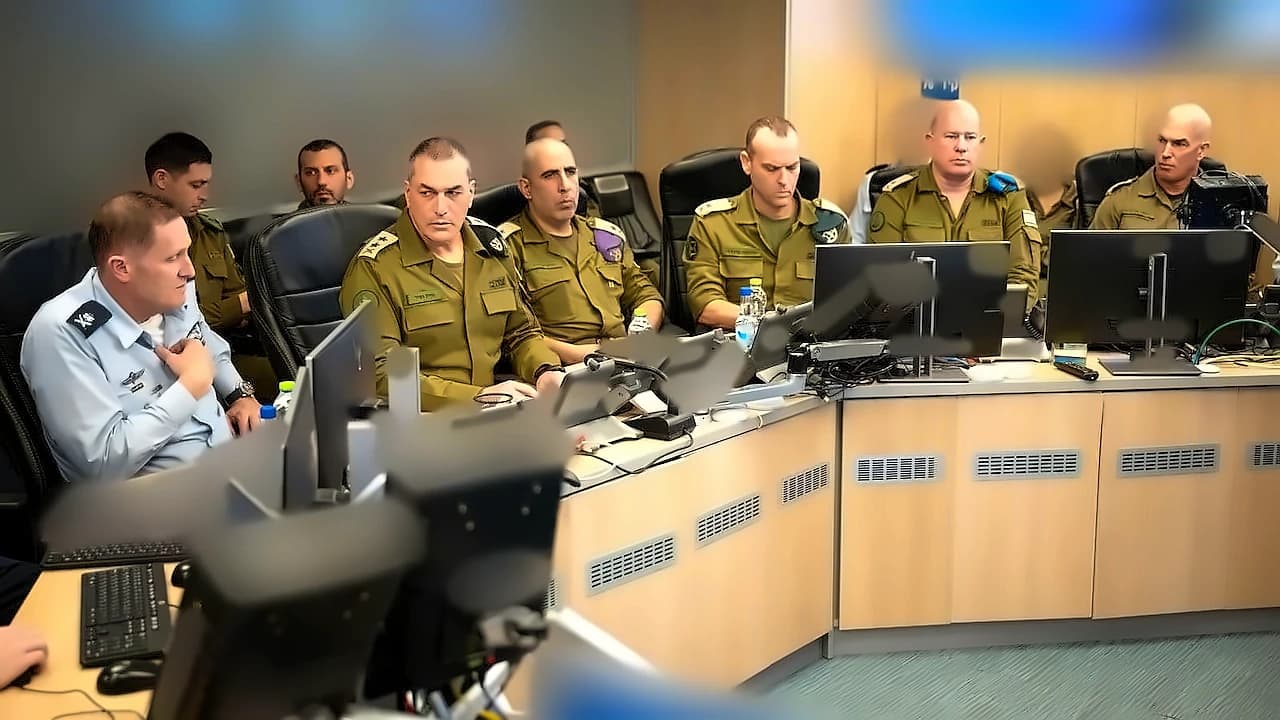
Israel's military has been placed on high alert and is preparing to join any renewed US strikes against Iran, with its sights set on Iranian energy infrastructure. As reported by Al Jazeera, Israeli public broadcaster Kan cited an unnamed security official as saying that Israel would join any new US strikes on Iran and would target Iranian energy infrastructure. The Israeli military has been instructed to move to a heightened state of readiness and prepare for an immediate resumption of hostilities, with the Middle East again looking stuck in the same cycle of threats, strikes, high alerts, then more instability. Recent reports indicate that Chinese and Russian forces are watching Israel very closely as the situation develops.
The military preparations followed a call between Trump and Netanyahu on Sunday that lasted for more than 30 minutes, during which the two leaders discussed the prospect of renewed fighting. According to Al Jazeera, Israeli public broadcaster Kan reported that the discussions took place in the shadow of preparations for renewed fighting in Iran. Channel 12 broadcaster described the conversations as taking place in the shadow of preparations for renewed fighting in Iran and reported that Israel expects to be notified by the US ahead of any strike, though it does not know the exact timing of a potential decision. There is growing belief within the Israeli administration that US President Donald Trump could soon authorize renewed military action against Tehran, though no official confirmation has been issued.
Israeli military officials have specifically identified Iranian energy infrastructure as a primary target for potential strikes. As reported by Al Jazeera, the Times of Israel reported further detail, citing all three major Hebrew television networks as carrying what appeared to be coordinated leaks from Israeli defence officials. The Ynet news site reported that IDF Chief of Staff Eyal Zamir had instructed the military to prepare for a resumption of hostilities, with the IDF's alert level having been raised significantly. This strategic focus reflects the ongoing tensions over Iran's closure of the Strait of Hormuz, through which around 20% of global petroleum passes.
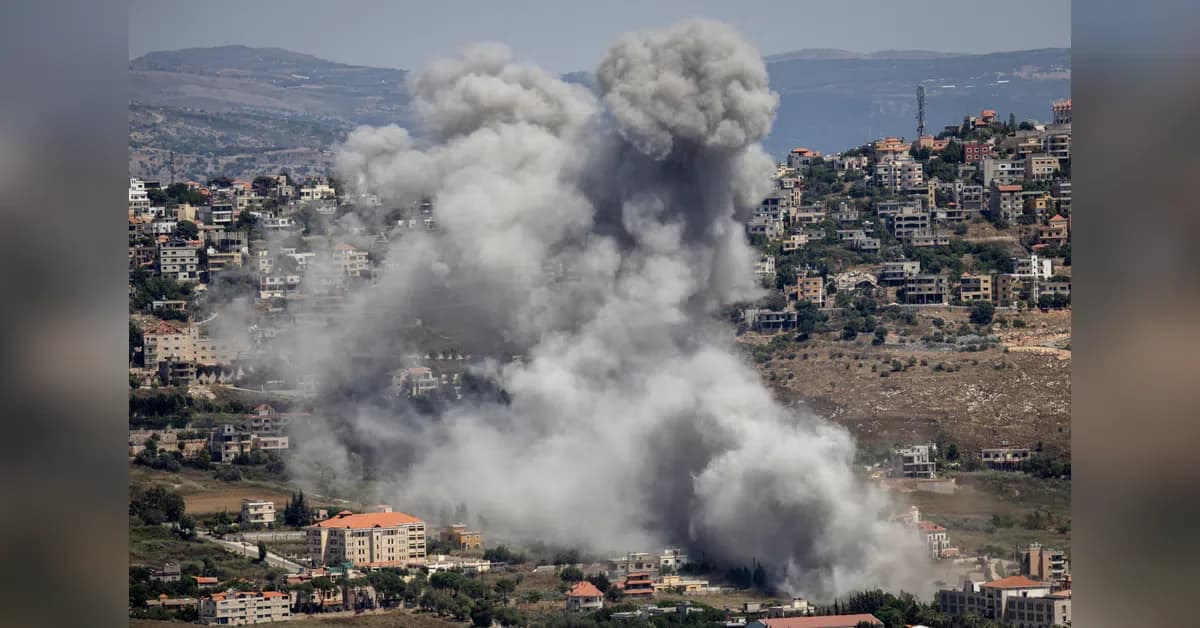
The warnings come as US-Iran diplomatic talks have collapsed, with the war beginning on February 28, 2026 with US and Israeli strikes on Iran, followed by a conditional ceasefire on April 8. According to Al Jazeera, Iran's closure of the Strait of Hormuz remains the central flashpoint, with the US imposing a counter-blockade on Iranian ports since April 13. The ongoing instability raises concerns that if diplomacy continues to be ignored, the conflict may spread beyond borders, with ordinary people suffering the worst impacts through war, oil shocks and chaos.