Israel and Lebanon have agreed to extend their ceasefire by 45 days following two days of US-facilitated talks that concluded on Friday, May 15. According to State Department spokesperson Tommy Pigott, the April 16 cessation of hostilities will be extended by 45 days to enable further progress in negotiations. The talks, which aimed at settling decades of conflict between the two countries, were described as "highly productive" by US officials. The extension, announced by the US State Department, will keep the cessation of hostilities in place beyond its original expiry date on Sunday while fresh political and military negotiations continue in the coming weeks. The agreement comes amid continuing violence on the ground, with Israeli strikes hitting multiple areas in southern Lebanon within hours of the ceasefire extension being announced.
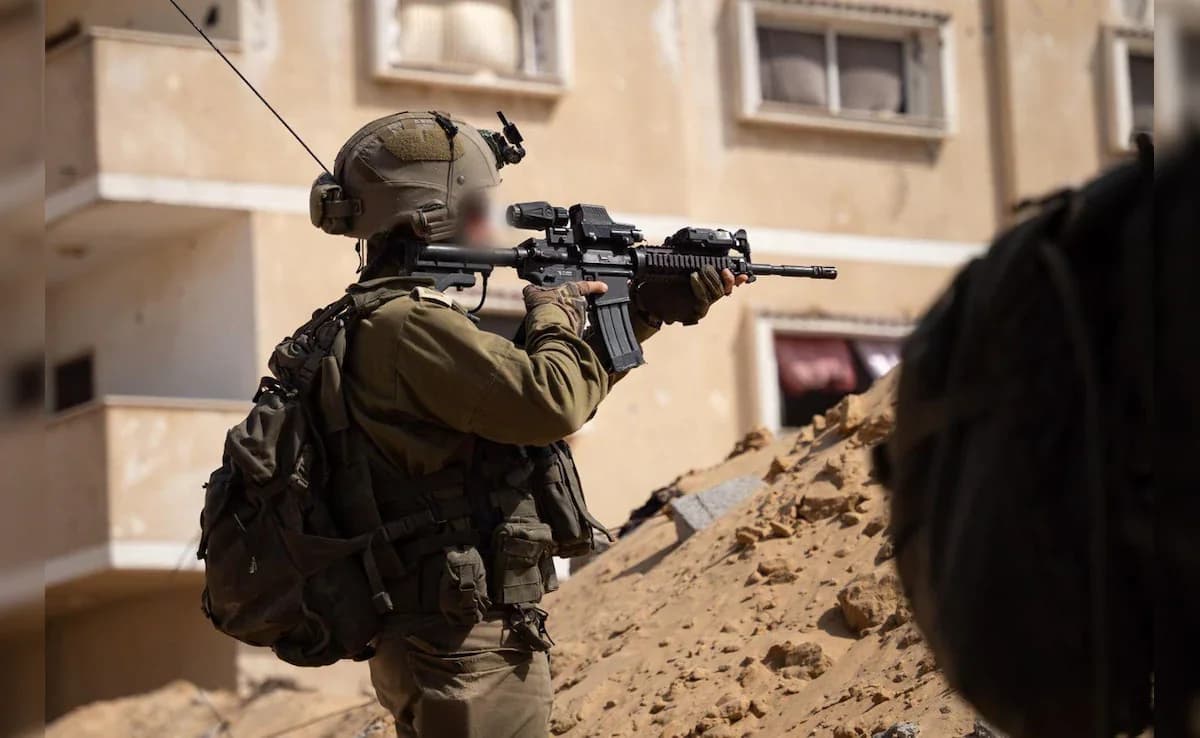
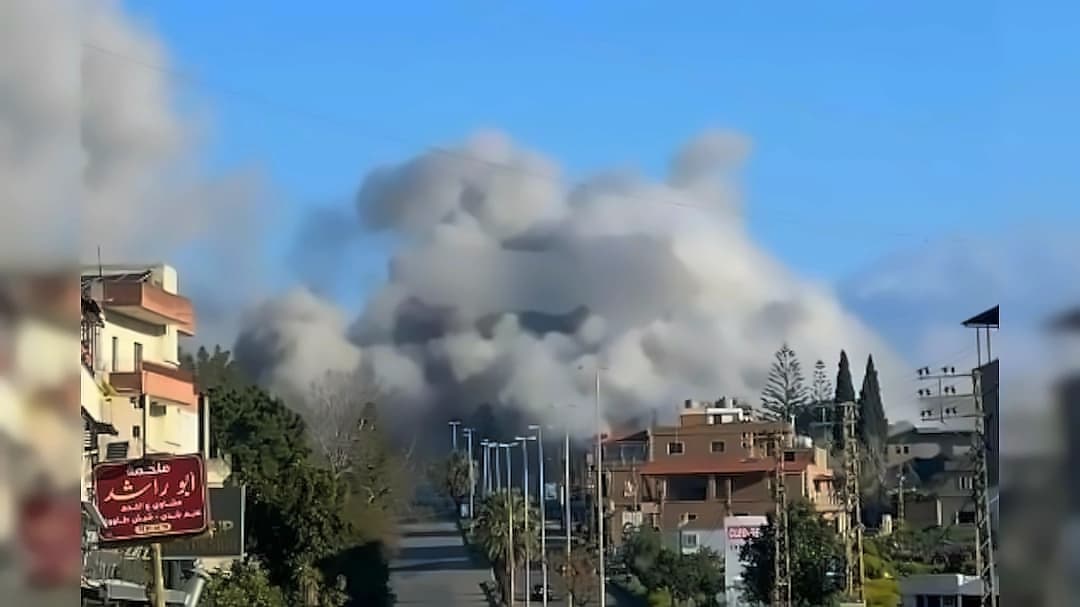
Despite the ceasefire extension, recent violence continues to undermine the truce on the ground. Within hours of the ceasefire extension being announced, Israeli strikes hit multiple areas in southern Lebanon, while Hezbollah launched new drone and rocket attacks targeting Israeli military positions. The latest developments have underlined the fragility of the truce even as diplomats push for a broader settlement. Lebanese authorities reported that an Israeli strike on a Hezbollah-linked health centre in Hanuf killed six people, including three paramedics, while further strikes in the Tyre district wounded at least 37 people, among them women, children and hospital workers. Israel's military claimed it had killed more than 220 Hezbollah fighters over the past week and struck hundreds of targets, while the Israeli military confirmed another Israeli soldier had been killed in southern Lebanon, bringing the number of Israeli troops killed since early March to 19. According to Al Jazeera, Israel killed seven people in South Lebanon on Friday in fresh attacks, while Hezbollah carried out 17 operations targeting Israeli military positions on Wednesday, including eight drone strikes and five missile or rocket attacks.
The ceasefire extension comes after Israel's bombing campaign and ground invasion into Lebanon's south displaced approximately 1.2 million people. As reported by multiple sources, the conflict began when Hezbollah fired missiles at Israel on March 2, three days into the US-Israeli war with Iran. The human toll of the conflict remains devastating, with the latest figures showing 2,951 people killed in Israeli attacks since March, according to Lebanon's health ministry, as reported by Al Jazeera. The United Nations humanitarian coordinator for Lebanon, Imran Riza, warned that the humanitarian situation remained "deeply alarming," pointing to daily airstrikes and civilian casualties. The United States steadfastly backs Israel, with which it attacked Iran on February 28, but has also gently voiced unease about Israeli troops' control of southern Lebanon.
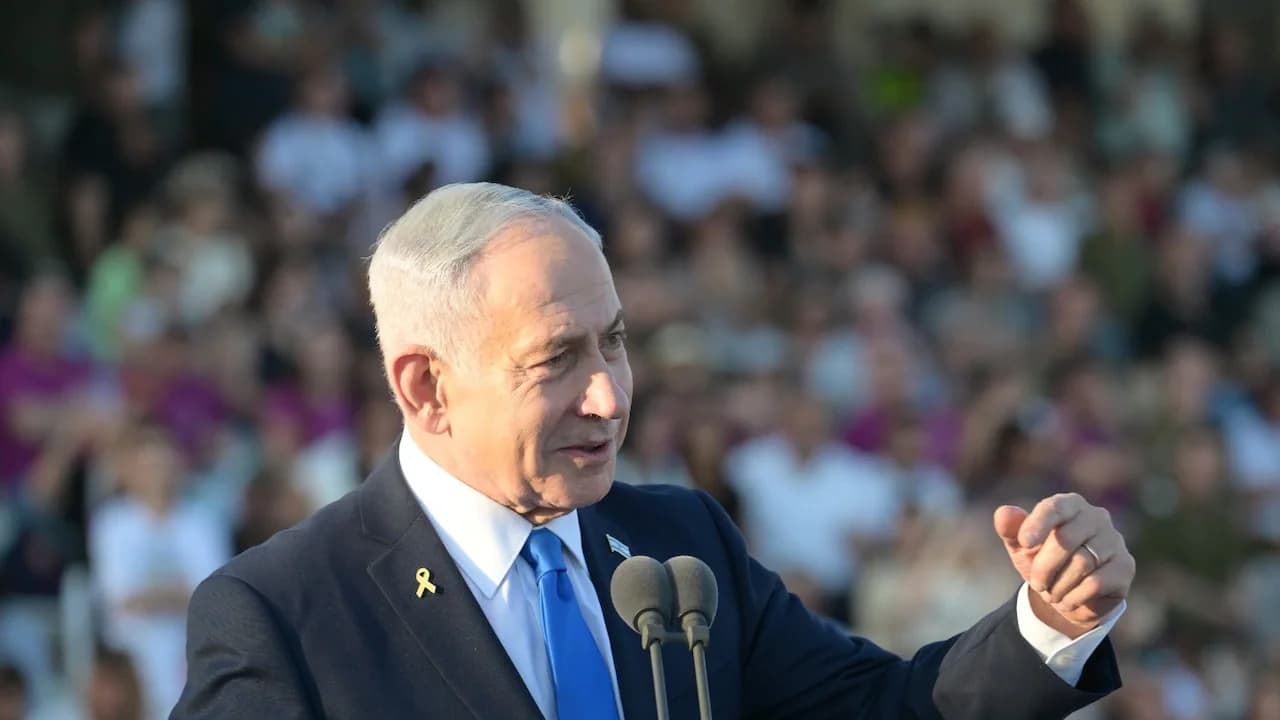
The Washington meetings, representing the highest-level contact between Lebanon and Israel in decades, have evolved to include security and military officials. The peace talks are being led by high-ranking officials, including Israel's ambassador to Washington, Yechiel Leiter, and Lebanon's ambassador, Nada Hamadeh Mouawad. A new security track of negotiations will be launched at the Pentagon on May 29, while the State Department will convene the two sides again June 2-3 for a political track of negotiations. Israel's ambassador to Washington, Yechiel Leiter, who led his country's delegation, said after the talks that it would be critical to ensure Israel's security. "There will be ups and downs, but the potential for success is great," Leiter wrote on X. The Lebanese delegation, which is attending despite objections from Shi'ite Muslim Hezbollah, has prioritized a cessation in hostilities in the talks. According to Al Jazeera, State Department spokesperson Tommy Pigott emphasized that "We hope these discussions will advance lasting peace between the two countries, full recognition of each other's sovereignty and territorial integrity, and establishing genuine security along their shared border."
Israel maintains that Hezbollah must be disarmed as part of any broader peace agreement with Lebanon, while Lebanon's delegation has prioritized a cessation in hostilities in the talks. However, both sides remain far apart on several critical issues, with the 45-day extension offering a vital window for diplomacy but the ongoing violence on the border threatening to undo progress made at the negotiating table. The talks were facilitated by the US as part of broader diplomatic efforts to resolve regional conflicts, with the ceasefire originally set to expire on Sunday before the extension was agreed upon. Washington said the talks are intended to secure lasting peace, mutual recognition of sovereignty and stronger security arrangements along the Israel-Lebanon border. Iran's clerical state, Hezbollah's patron, has demanded a lasting ceasefire in Lebanon before any peace agreement with US President Donald Trump, who has been frustrated by Tehran's refusal to an accord on his terms.