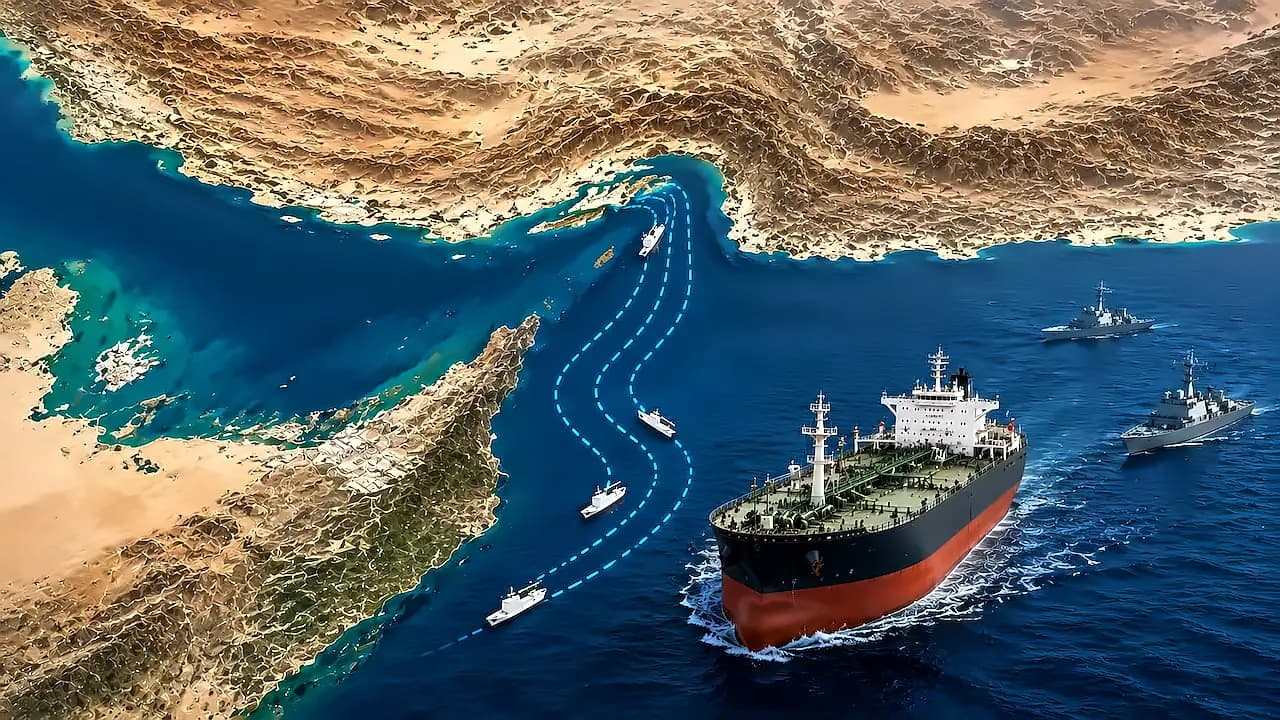
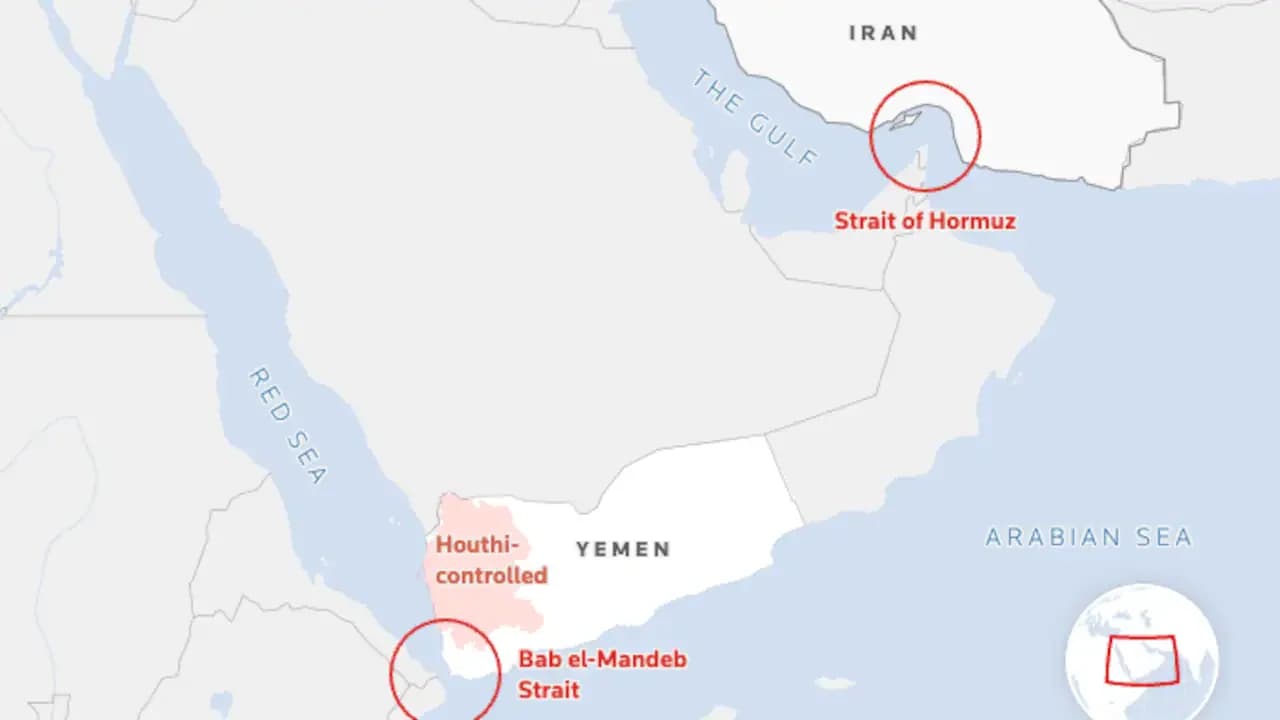
The Iran-backed Houthi movement is conducting a sustained rocket testing campaign aimed at extending their missile range and improving accuracy, according to Western intelligence officials cited by Israeli media. These tests represent a deliberate effort by the terrorist organization to upgrade capabilities that have already disrupted Red Sea shipping and posed threats to regional maritime traffic. The sustained nature of these tests, occurring during the current ceasefire involving Israel, Iran and the US, indicates the Houthis are moving beyond crude strike capability toward more sophisticated targeting options. The specific technical improvements the Houthis are pursuing - range extension and precision - suggest they are moving toward capabilities that would threaten shipping lanes farther from Yemen's coast, potentially affecting vessels in the central Red Sea and approaches to the Suez Canal.
These developments fit a larger pattern of Iranian military modernization across its proxy network, with parallel capability upgrades occurring across Iraq, Syria, and Lebanon. Western intelligence sources confirm that the Houthis are actively using this calm period to improve both the range and accuracy of their missiles, representing a significant military development during the current truce. The timing of the Houthi testing is significant, coming amid broader regional tensions including ongoing Israeli-Lebanese aerial incidents and the presence of Iranian military advisors in Syria and Iraq. The coordination between Iranian guidance and Houthi execution remains opaque, but the parallel timing of capability upgrades across multiple proxy groups points to centralized strategic direction from Tehran.
According to the report, the Houthis have fired around six missiles and five drones towards Israel since resuming attacks on March 28. The group had earlier paused attacks following the Gaza ceasefire agreement reached last October. Israel has not launched strikes in Yemen since its operation there on September 25 last year, including during the recent conflict with Iran, despite continued Houthi attacks. Unlike Hezbollah, and despite being an Iranian proxy, the Houthis have launched relatively few attacks against Israel since the start of Operation Rising Lion, Israel's military campaign against Iran.
Houthi leader Abdul-Malik al-Houthi issued fresh warnings, stating the group would intervene militarily if Israel launches a new offensive in Gaza. As reported by the Jerusalem Post, al-Houthi said, "We are in continuous coordination with our brothers across the resistance fronts, and we will not hesitate to fulfill our duty in response to any new escalation of aggression against any front, especially Gaza." Al-Houthi also claimed the group was closely monitoring developments in Somaliland and alleged Israeli efforts to establish a presence around the Gulf of Aden, the Bab al-Mandab Strait and the Red Sea, stating "We will not stand idly by in the face of an Israeli presence in Somaliland." He also warned that "We will act whenever necessary to strike any concentration of the Israeli enemy in Somaliland."
Israeli Defence Minister Israel Katz last week reiterated that the Houthi leadership remained a target. According to the Jerusalem Post, Katz said, "Israel's account with the Houthis remains open. They will pay a price. If their leader is found in our sights, we will eliminate him." The reported missile upgrades suggest the ceasefire may be providing the Houthis an opportunity to strengthen their military capabilities even as the broader regional conflict remains on pause. Western officials monitoring these tests face a challenge, as the Houthis operate from dispersed locations across Yemen, making it difficult to disrupt testing programs through strikes alone. The group has demonstrated resilience in maintaining operational capability despite previous Israeli and Western military pressure, suggesting these tests are proceeding despite security risks.