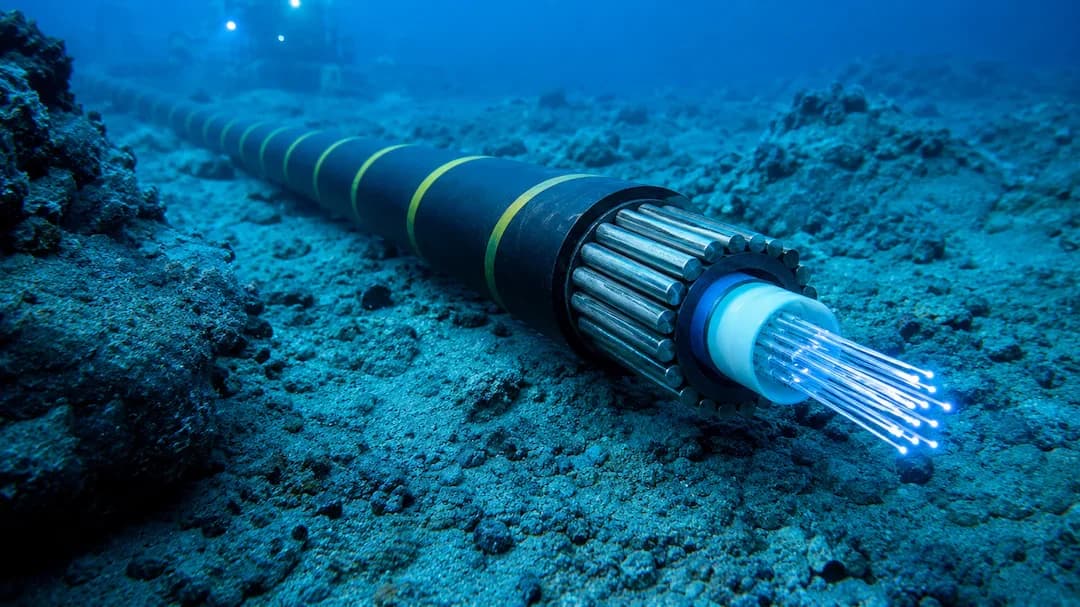
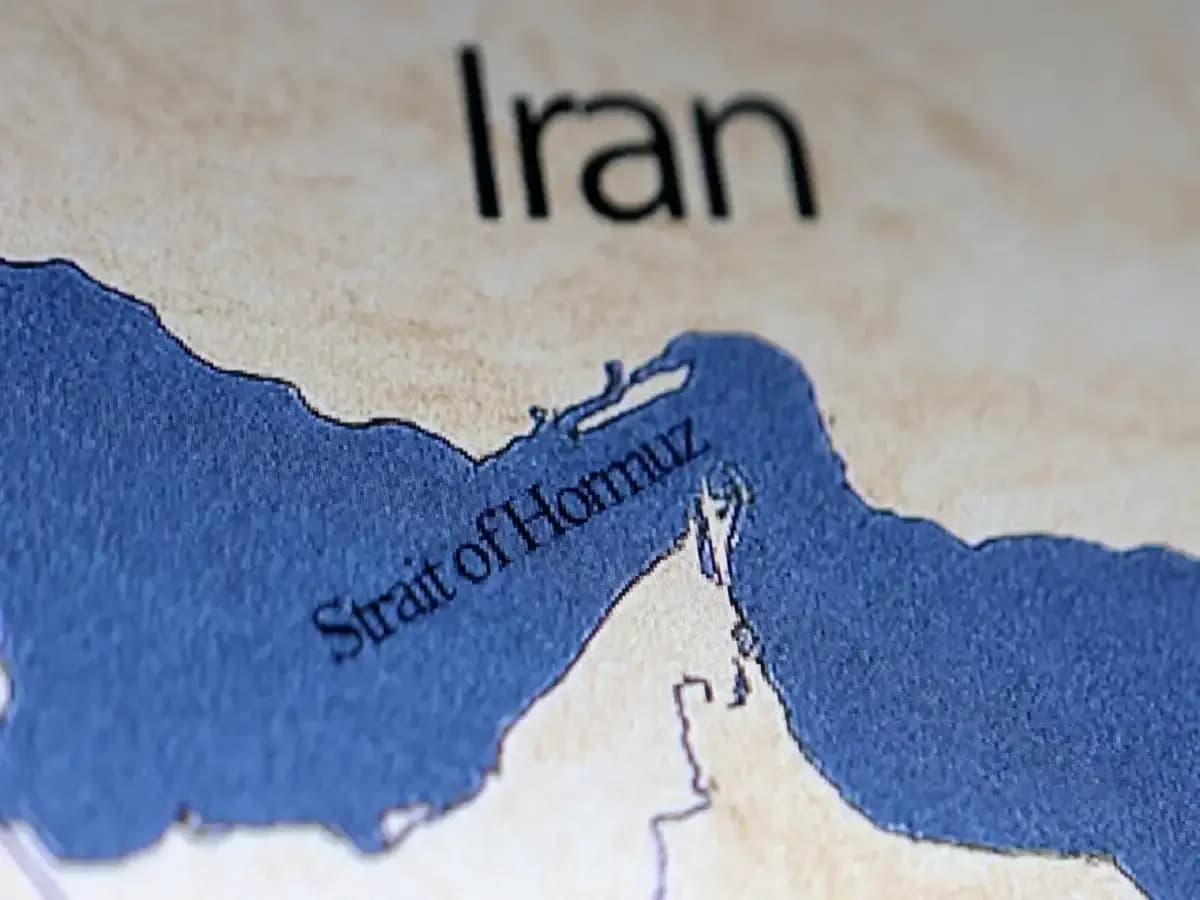
Iranian President Masoud Pezeshkian has ordered the creation of a special committee to end Iran's internet blackout after more than two and a half months of severe restrictions. According to Shargh newspaper, the committee is expected to restore broader internet access within a month, with Pezeshkian tasking First Vice President Mohammad-Reza Aref to lead the initiative. As reported by Al Jazeera, Pezeshkian announced the move on X, saying he had instructed Aref to carry out the task while considering "governance sensitivities, the Supreme Leader's views, and the promise I made to the people." However, many Iranians remain skeptical about the government's ability to override powerful institutions controlling cyberspace policy, with users expressing frustration on social media platforms.
Iran's Supreme Leader Ayatollah Mojtaba Khamenei has made rare public appeals for economic restraint as the nation faces severe economic pressure from US sanctions. In a series of messages released on Telegram over the weekend, Khamenei asked Iranian employers to "avoid layoffs as much as possible," following reports of mass firings across the country, with some 3.5 million Iranians affected. The appeal comes as Khamenei remains absent from public view since he was injured by Israeli airstrikes at the start of the war. Meanwhile, Parliament Speaker Mohammad Bagher Ghalibaf has urged citizens to "practice saving and be frugal" as Tehran seeks to outlast the US on the "economic battlefield."
Iran's economic crisis has reached critical levels with the rial plummeting to record lows, losing half its value in the past year. According to the International Monetary Fund, inflation has breached 53% with food inflation reaching 115% compared to last year. As reported by the Associated Press, prices for essential goods have spiraled out of control with chicken and lamb up 45%, rice 31%, and eggs 60%. The Iranian economy is predicted to shrink by six percentage points in the next year, according to the IMF. A taxi driver in Tehran admitted to a reporter this week that even eggs have become too expensive to afford, with some families surviving on budgets of $4 a day.
US Central Command Chief Adm. Brad Cooper revealed that Operation Epic Fury has severely degraded Iran's Navy to the point it could take a decade for Tehran to rebuild its naval capabilities. According to CNBC, Cooper told the Senate Armed Services Committee that American forces have stopped using high-end munitions to shoot down Iran's drones and are now using lower-cost munitions. The admiral reported that Iran only has 10% of its drones left and that US operations have been successful in cutting Iran off from providing weapons and support to its proxy partners in the region, including Hamas, Hezbollah and the Houthis.
US forces have redirected 67 commercial vessels amid the US blockade on Iranian ports, according to U.S. Central Command. The blockade has effectively cut Iran off from its main export terminal, Kharg Island, where no oil has been loaded in the past three days. As reported by CNBC, Treasury Secretary Scott Bessent said the US believes Iran's storage tanks are full and that "none of the ships are getting out, none are coming in, so they're not able to store oil on the water." The US Treasury imposed sanctions on four Hong Kong oil-trading companies for selling oil for the Islamic Revolutionary Guard Corps to China, sending a signal to Beijing that Washington is serious about shutting down Iranian oil sales.
Iran's Foreign Minister Abbas Araqchi told reporters in New Delhi during the BRICS foreign ministers' meeting that Tehran has "no trust" in the US and is interested in negotiating with Washington only if it is serious. According to NDTV Profit, Ghalibaf has consistently warned against US military escalation, emphasizing that the country's budget crisis has led to mounting debt while the US maintains its belligerent stance at exorbitant expenditures. The ongoing belligerent stance, at exorbitant expenditures, only served as a "live action role-playing (LARP)" in the Hormuz region, according to Ghalibaf's latest statements. Recent reports show demonstrators named politicians associated with rivals of the hardline camp when asked "Which political figures were meaner than the meanest animals?" during a live broadcast on Channel 3.